
Visualife Academy
Learn how to solve real business challenges with immersive technology
Visualife Academy is the knowledge hub of Visualife, an immersive technology agency based in Barcelona. It brings together practical guides for marketing, retail, events, training and industrial teams who want to understand immersive technology before investing in it.
Learning paths and practical guides that start with the problem, not the technology: how to attract more customers, show your product better or make your campaigns more participatory. Written by the team that builds these experiences for brands such as Loewe, H&M and BASF.
Featured learning path

Retail · Get more people through your doors
How to Generate More Footfall to Your Retail Store
Discover practical strategies for attracting customers to physical stores, creating compelling reasons to visit and using interactive experiences to make retail more engaging.
For: Retail business owners · Retail marketing managers · Brand managers · Shopping centre marketing teams · Customer engagement and retail experience professionals
- Level
- Beginner
- Duration
- 67 min
- lessons
- 10
- Certificate
- Included when you pass
- Free
- ✓
Which challenge do you want to solve?
Choose the business problem closest to yours. Each path explains the challenge, the strategies that work and which technologies can help.
Retail
Get more people through your doors
Strategies that give customers a reason to visit your physical store, and ways to measure whether they work.
Course available
View the course →Trade fairs
Show products you cannot bring to the stand
Interactive demonstrations, 3D and virtual reality for products that are large, complex or hard to transport.
Course in preparation
Read the related guides →Events
Turn passive visitors into active participants
Challenges, games and interactive installations that increase participation and dwell time.
Course in preparation
Read the related guides →Product marketing
Let customers experience products differently
Virtual try-on, 3D products and augmented reality so customers can try before they buy.
Course in preparation
Read the related guides →How it works
Choose a challenge
Start with the business problem, not the technology.
Learn at your own pace
Short lessons based on our guides. No registration needed to read.
Test what you have learnt
A final assessment with questions on the course content.
Earn your certificate
A Visualife Academy certificate when you pass the assessment.
Explore by technology
Trade shows & experiential events
How to draw visitors to your stand, demonstrate complex products and generate qualified leads with interactive experiences.
Gamification & interactive marketing
Branded games, challenges and quizzes that capture attention, generate leads and lift engagement.
Augmented reality
What AR is, WebAR versus apps, marketing and retail use cases, costs and how to measure ROI.
Strategy, ROI & project planning
How to choose between AR, VR and gamification, write a brief, set a budget and measure return.
Virtual reality
Business uses of VR beyond gaming: product demos, showrooms, events and costs.
3D & virtual showrooms
3D models, configurators and virtual showrooms: what they are, what they cost and how to reuse them.
Virtual try-on, retail & eCommerce
Virtual try-on for fashion, footwear and beauty, in-store AR and how to measure the impact on sales.
Immersive training & learning
VR and AR training for safety, onboarding and technical processes: when it pays off and how to measure it.
Guide library
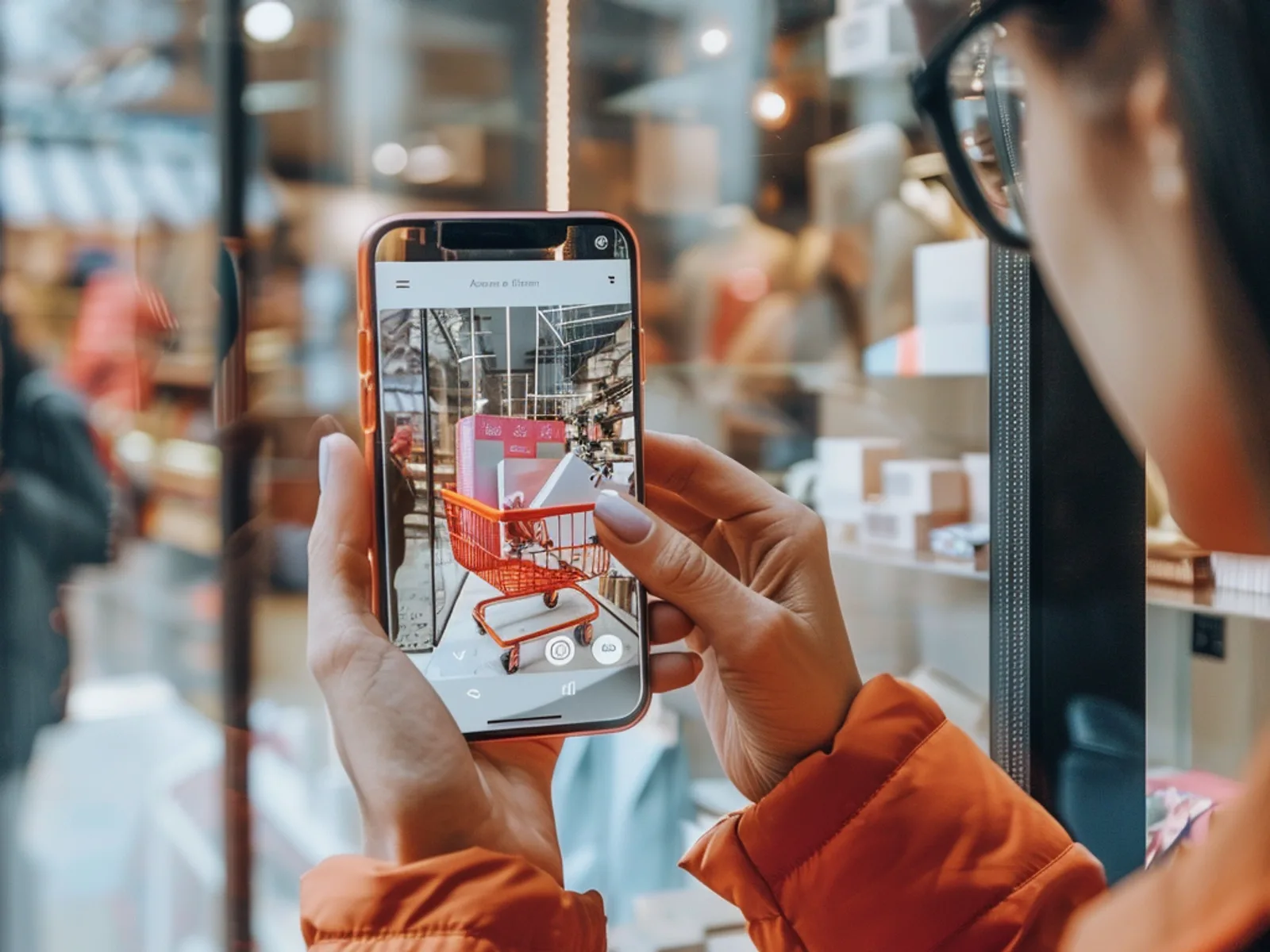
What Is Augmented Reality? A Simple Guide for Businesses
Augmented reality (AR) overlays digital content, such as 3D products, animations, games or information, onto the real world through a smartphone camera. For businesses it turns packaging, posters, stores and product pages into interactive experiences that customers can try instantly, usually in the browser without downloading an app.
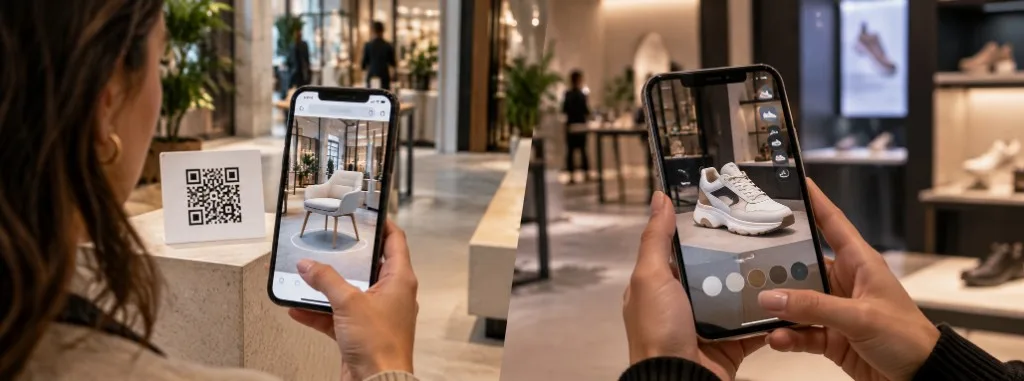
WebAR vs app-based AR: which should you use?
WebAR and app-based augmented reality both place digital content over the real world, but they do not solve the same problem. WebAR opens in the browser from a QR code or a link, with no download, and prioritises reach. An app requires installation and prioritises depth: advanced features, repeat use and offline work.
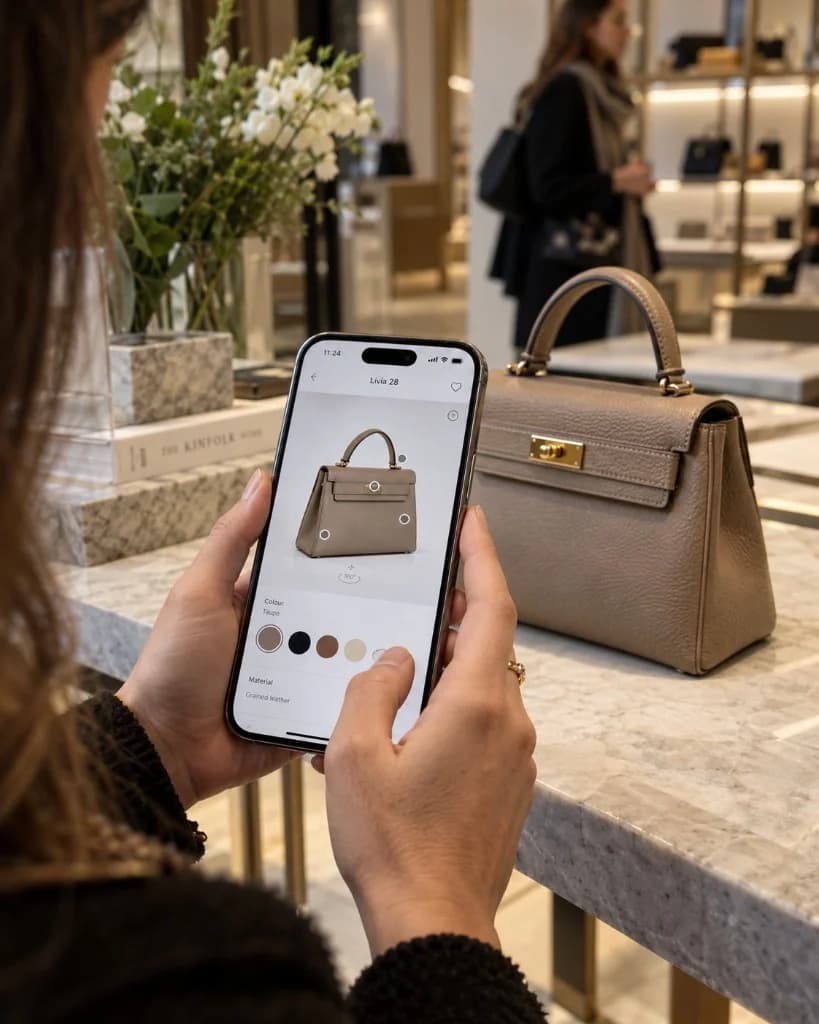
How Much Does an Augmented Reality Experience Cost?
There is no single published price. The cost of an augmented reality experience depends on the number and quality of 3D assets, interactivity, the platform (browser or app), integrations such as CRM or eCommerce, and how long the campaign stays live. Tell us about your idea and we will prepare a free, no-obligation quote.
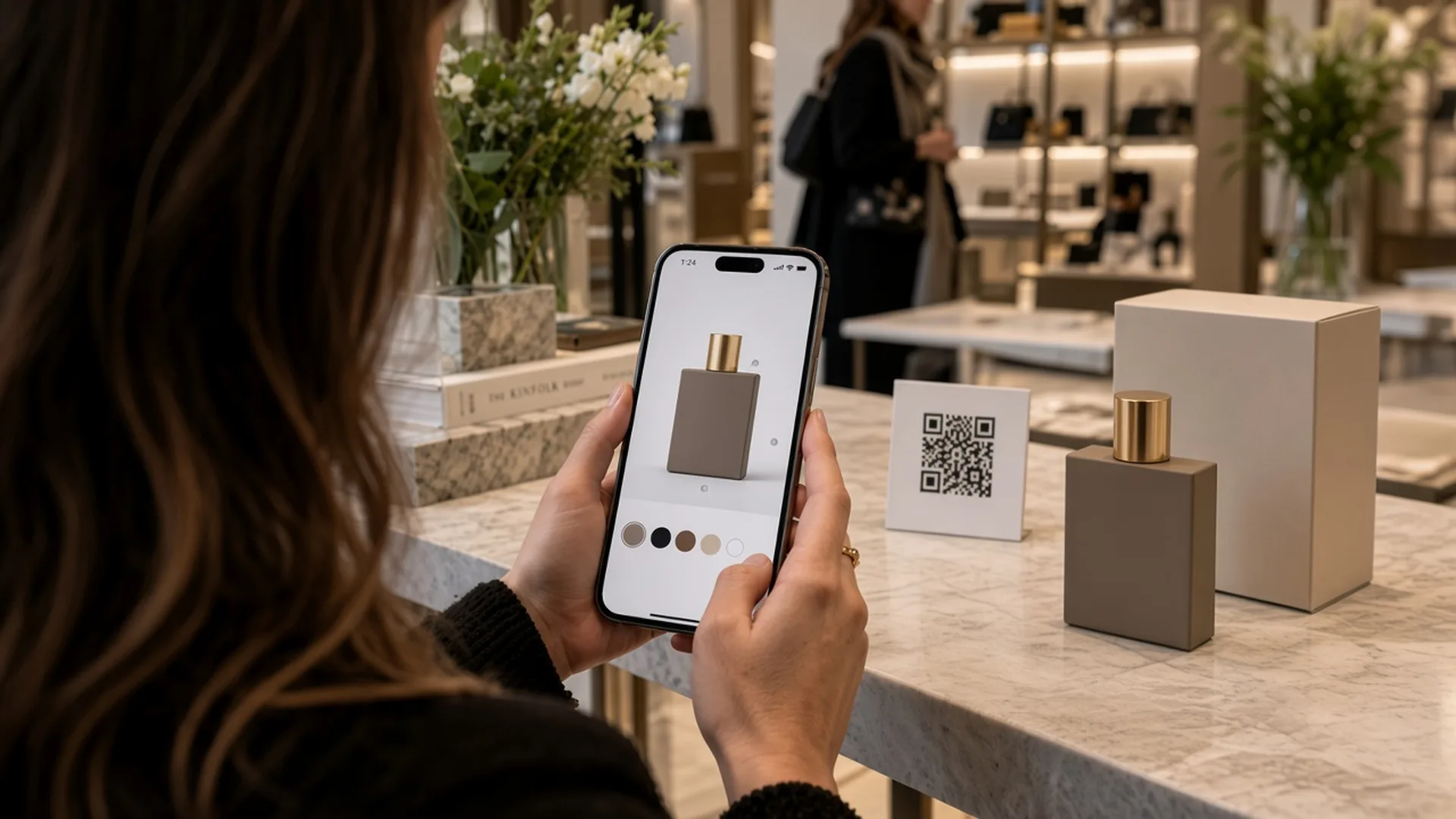
10 ways brands can use augmented reality in marketing
Ten practical ways to use augmented reality in marketing: packaging, posters, virtual try-on, games, events and retail. Examples and tips for getting started.
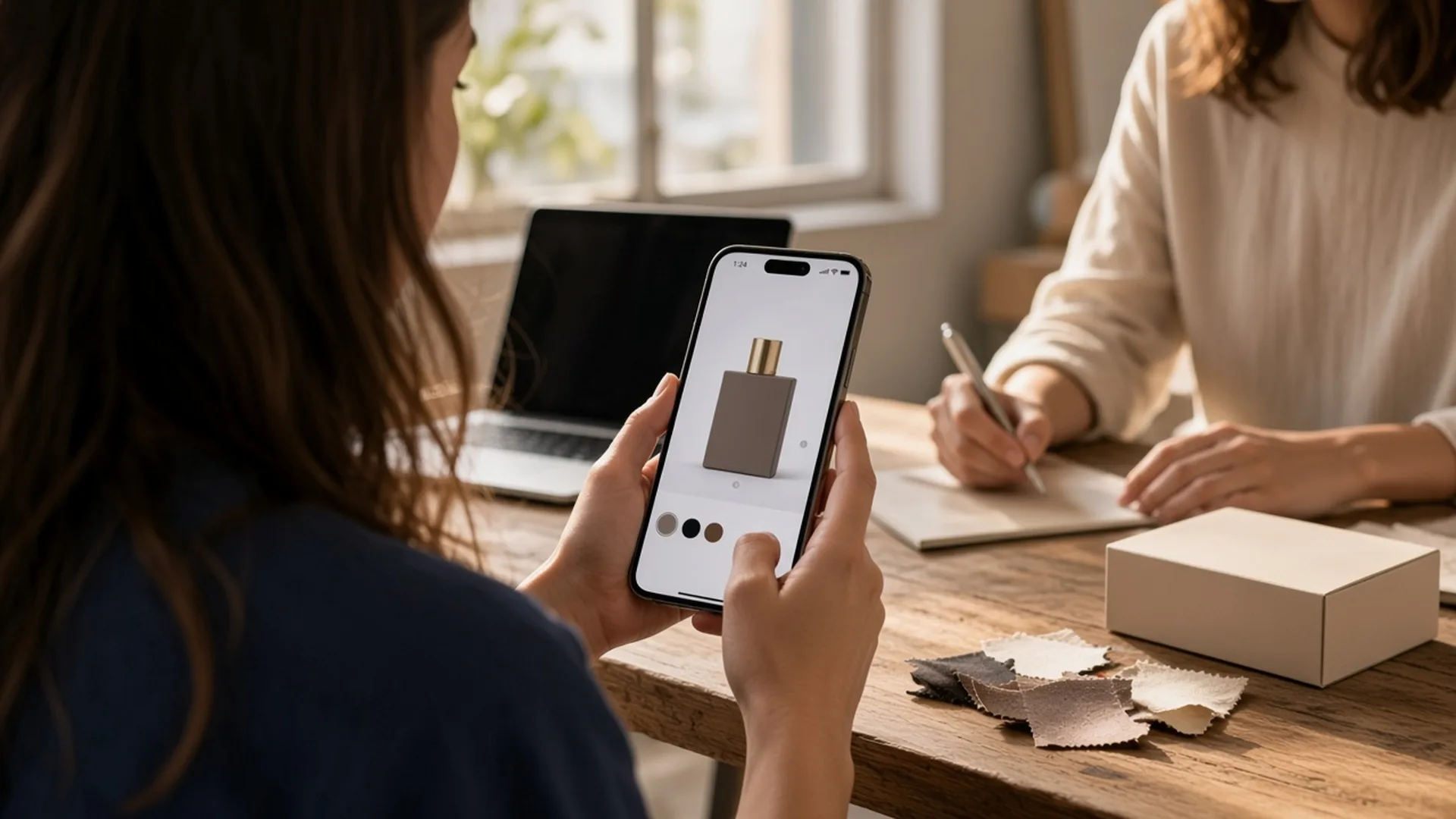
How to create an augmented reality campaign: a step-by-step guide
A practical guide to creating an augmented reality campaign: objective, format, 3D content, development, testing, launch and measurement.

How to measure the ROI of an augmented reality campaign
Learn how to measure the return of an augmented reality campaign: key metrics, the ROI formula, attribution, sample reports and common mistakes.
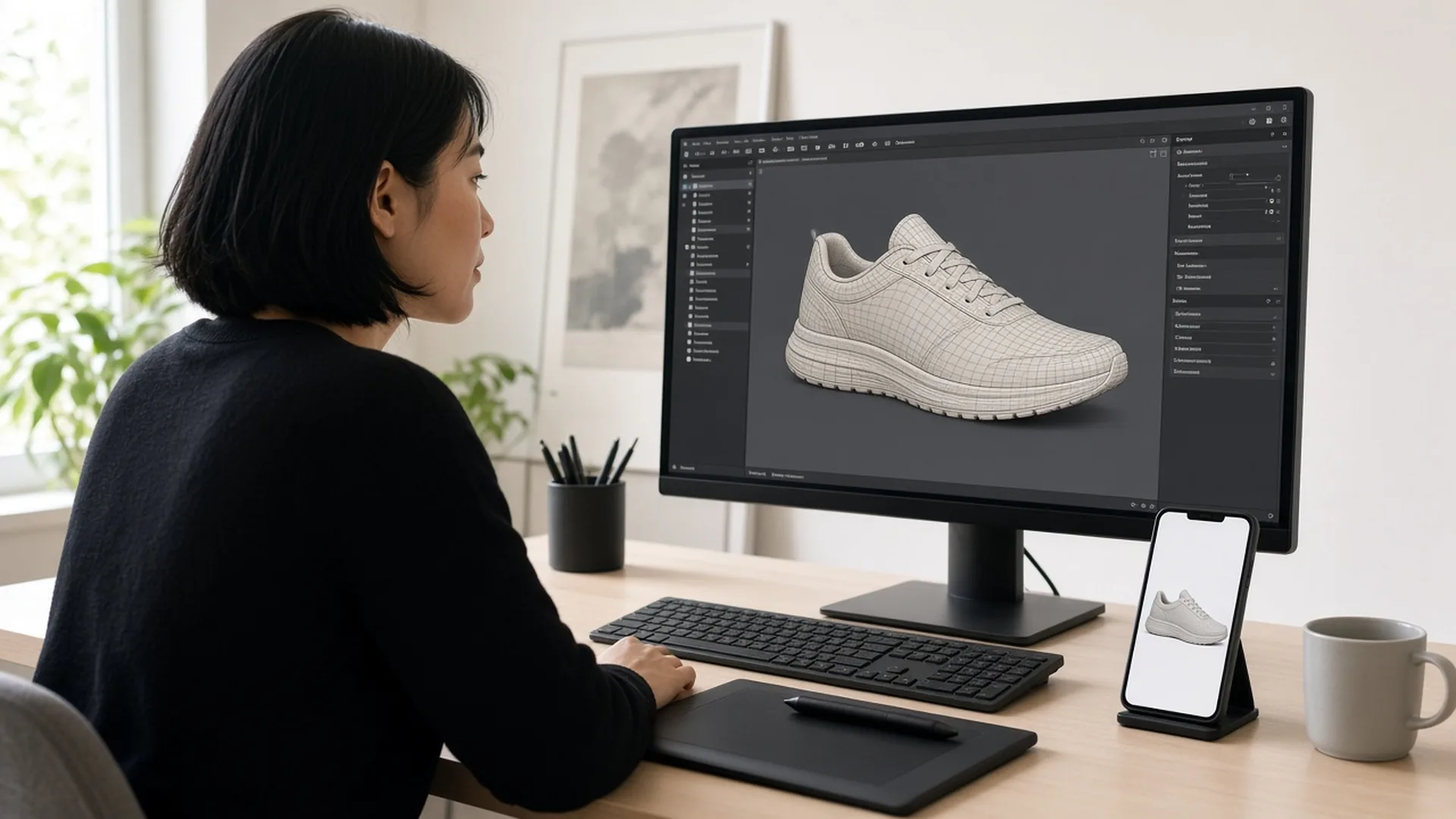
How much does an augmented reality experience cost?
What determines the price of an augmented reality experience: project type, 3D content, development, integrations and maintenance.
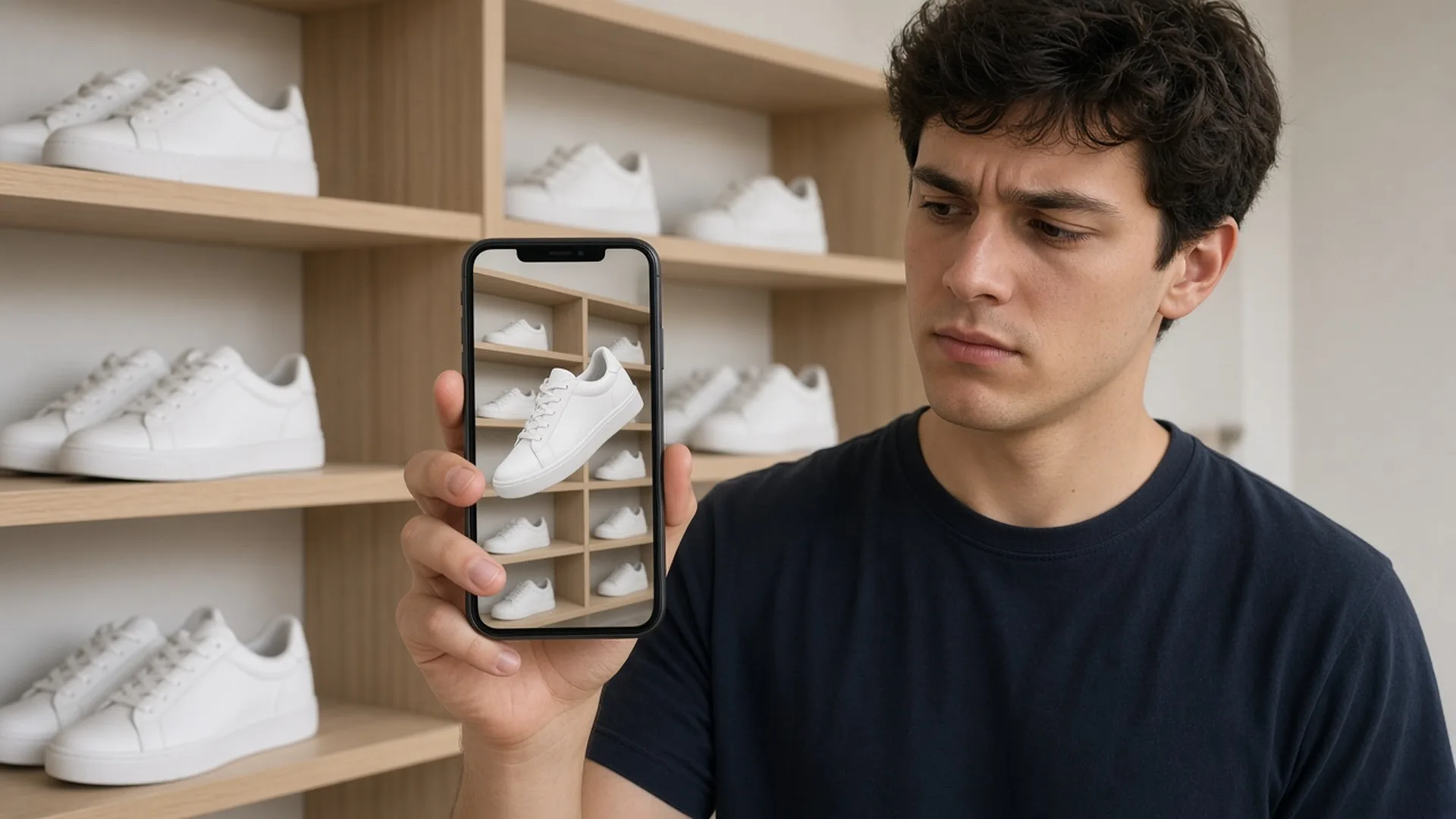
Common mistakes in augmented reality and how to avoid them
The most frequent mistakes when launching an augmented reality campaign: vague objectives, friction, heavy models, a lack of testing and of measurement.
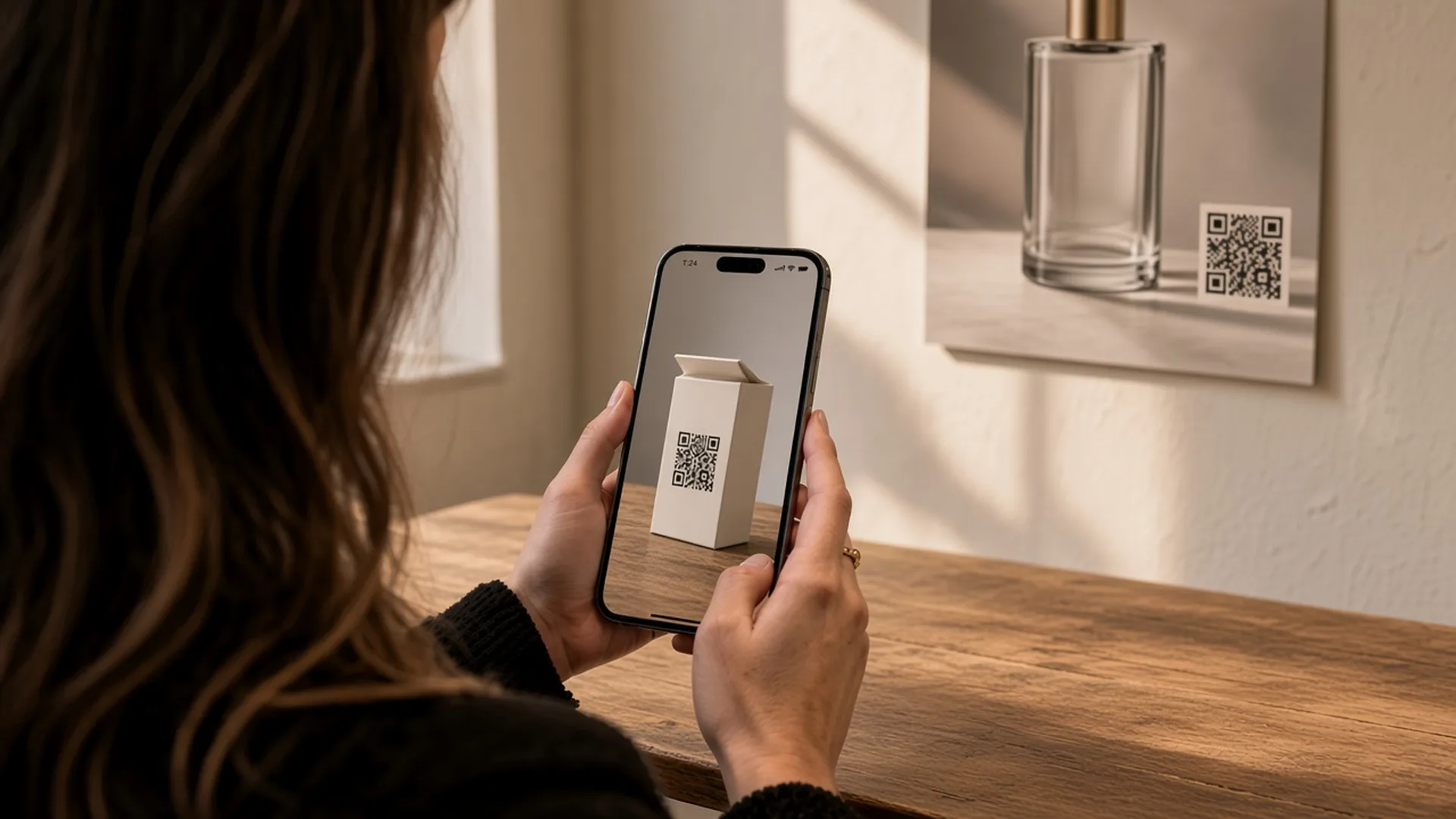
How augmented reality turns packaging, posters and print into interactive media
Discover how to turn packs, posters, leaflets and magazines into interactive media with augmented reality: uses, QR access, design and good practice.
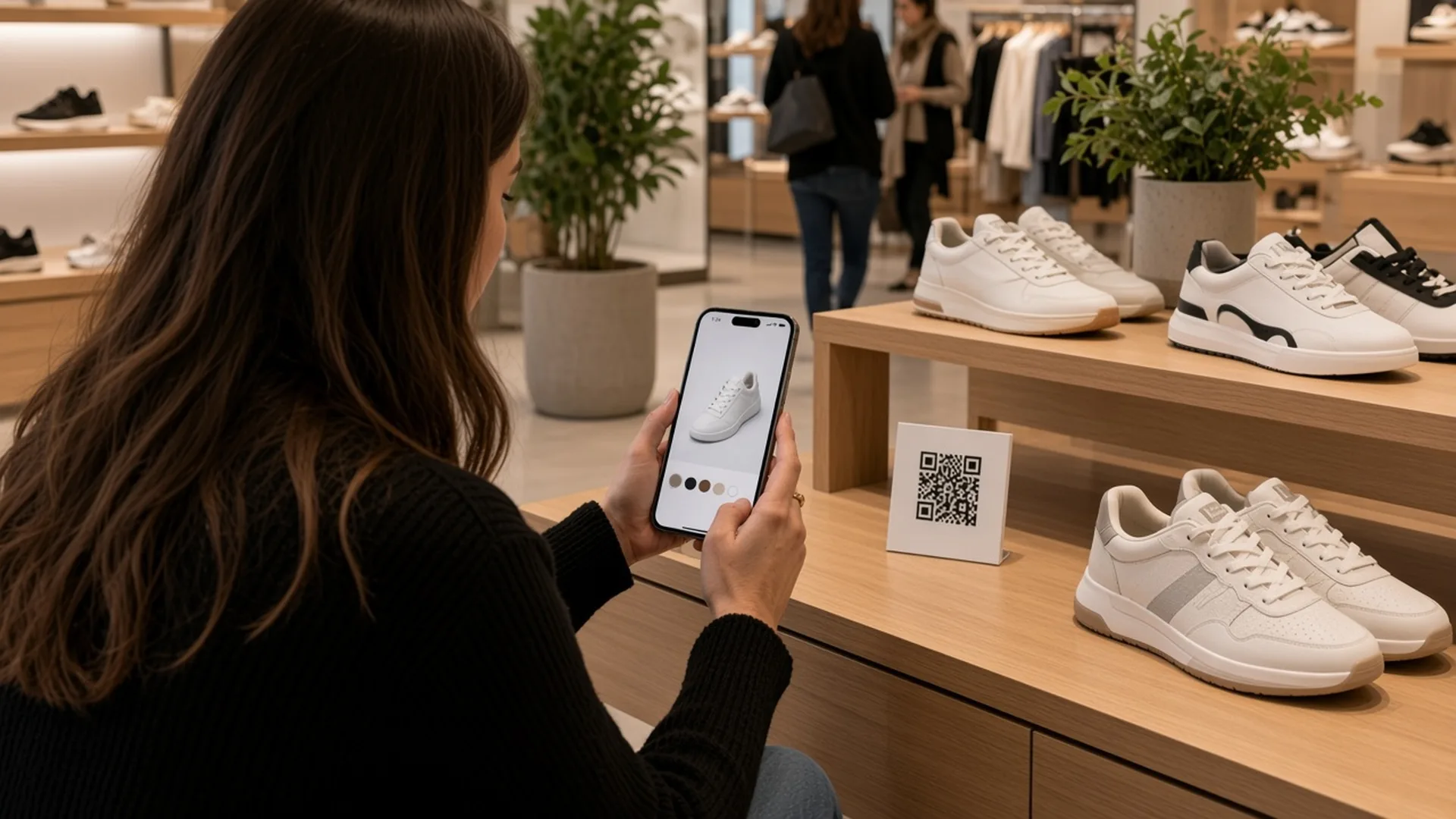
Augmented reality for retail: practical examples and use cases
Practical examples of augmented reality in retail: virtual try-on, a 3D product, in-store guides, games and activations. What works and how to get started.
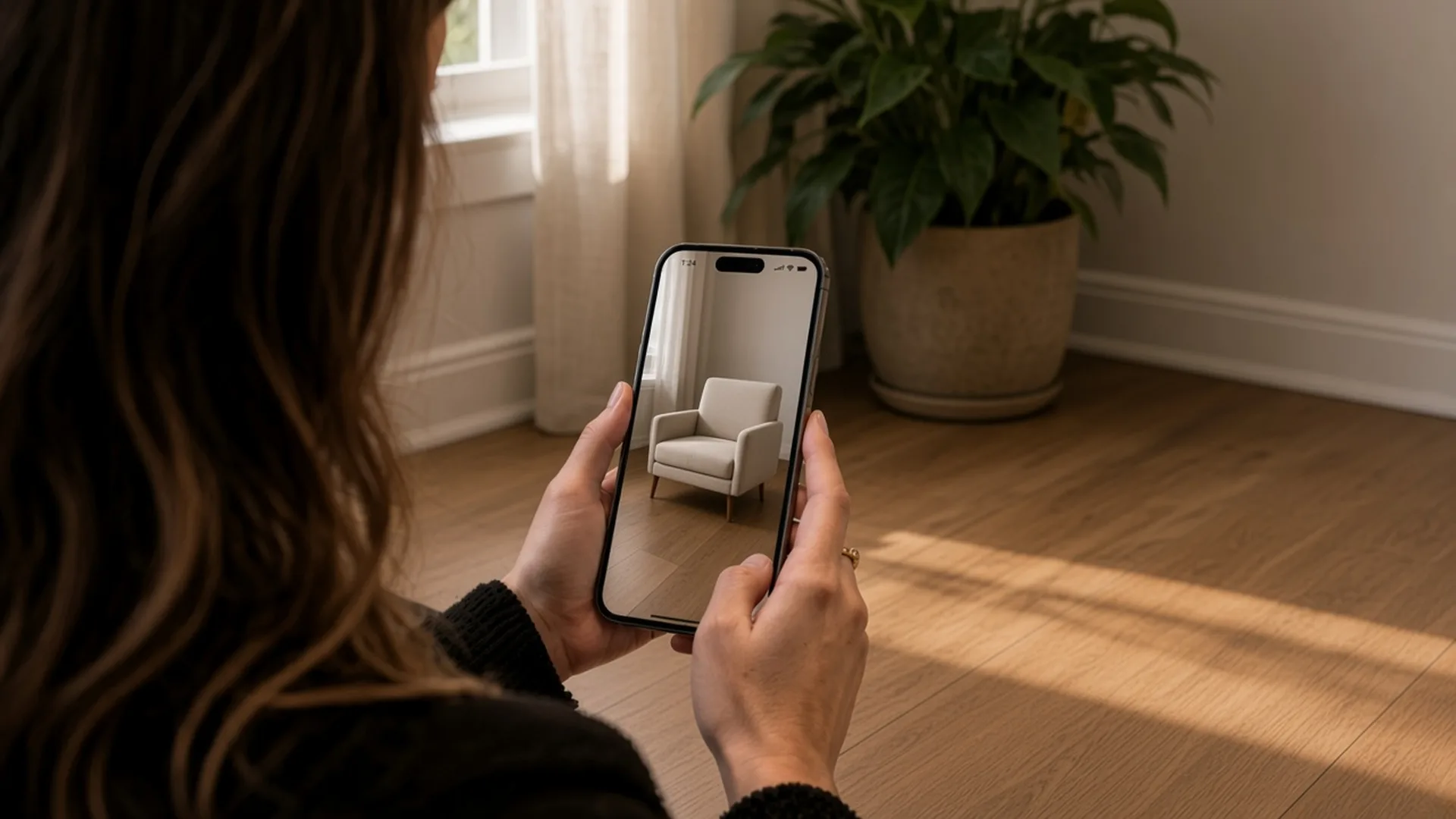
Product visualisation with augmented reality: how it works and when to use it
How product visualisation in augmented reality works, when it is worth using, what you need to launch it and which mistakes to avoid in eCommerce and B2B.
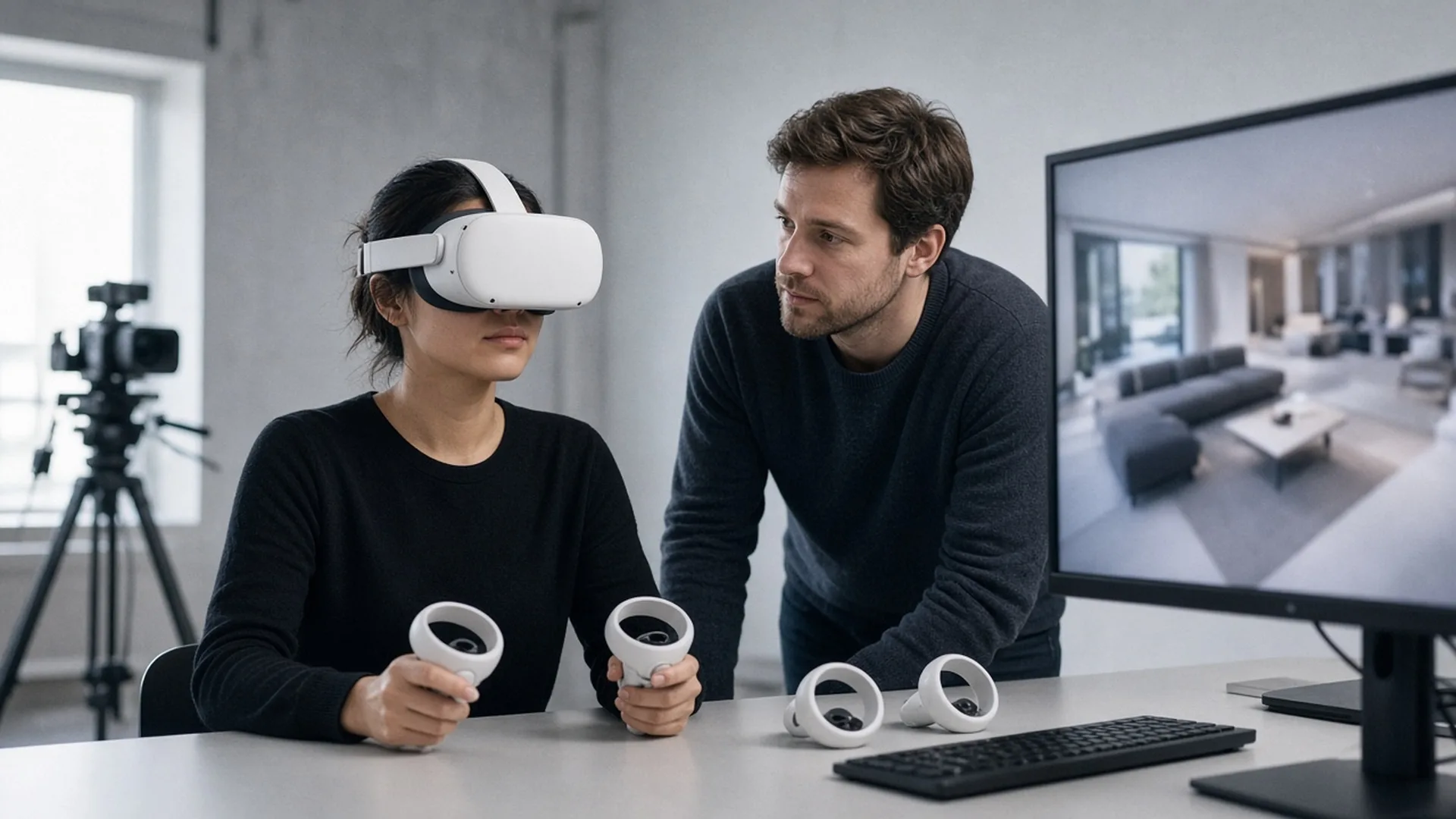
How to create a virtual reality experience for your company
A process for creating a virtual reality experience: objective, script, 3D content, development, user testing, deployment and measurement.

How to measure the engagement and ROI of a virtual reality experience
Which metrics to use to measure a virtual reality experience: participation, time, completion, learning, leads and return on investment, with examples.
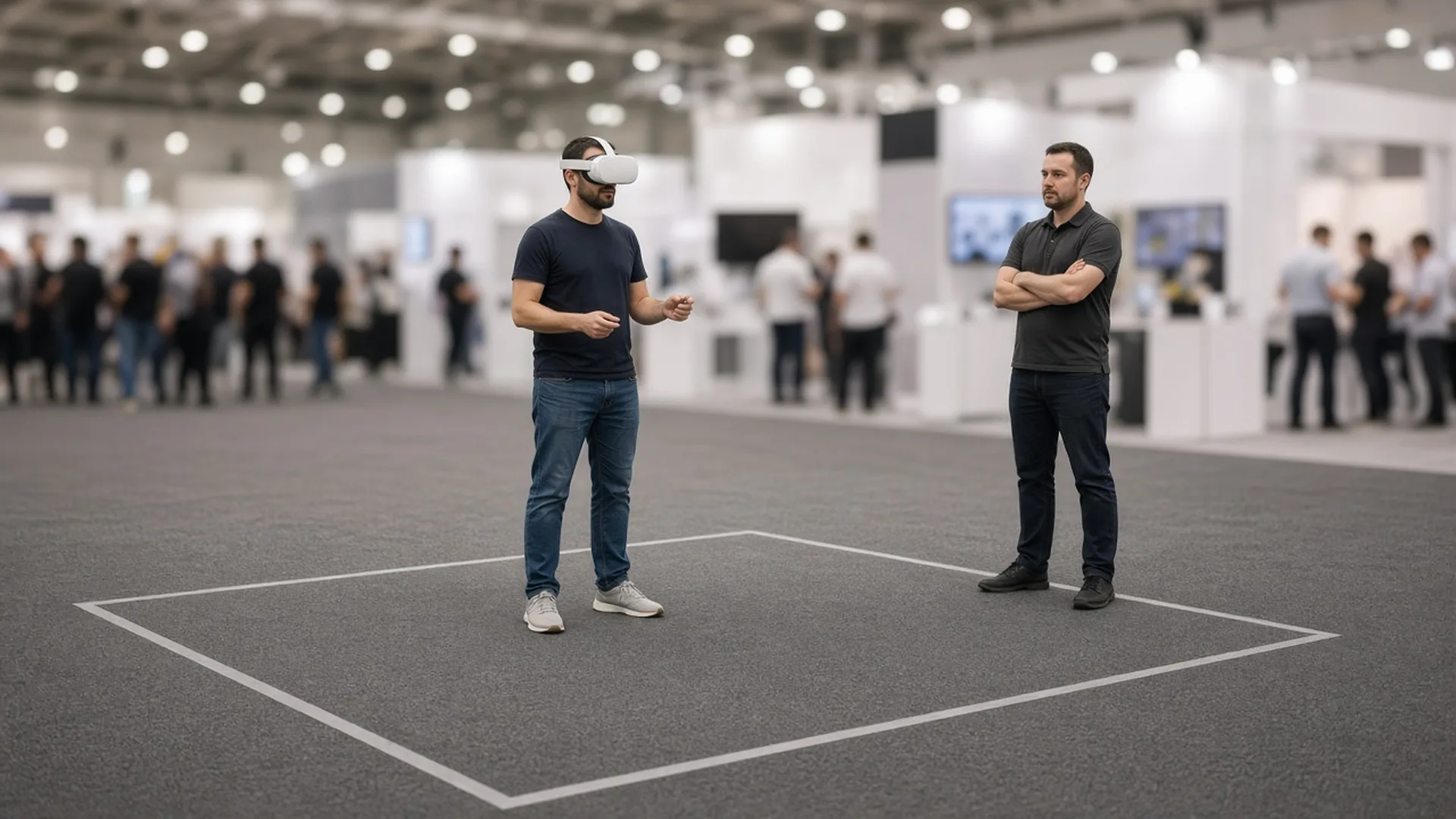
How to organise a virtual reality experience at an event safely
A guide to organising a virtual reality experience at an event or trade show safely: space, staff, hygiene, queue management, health and a contingency plan.
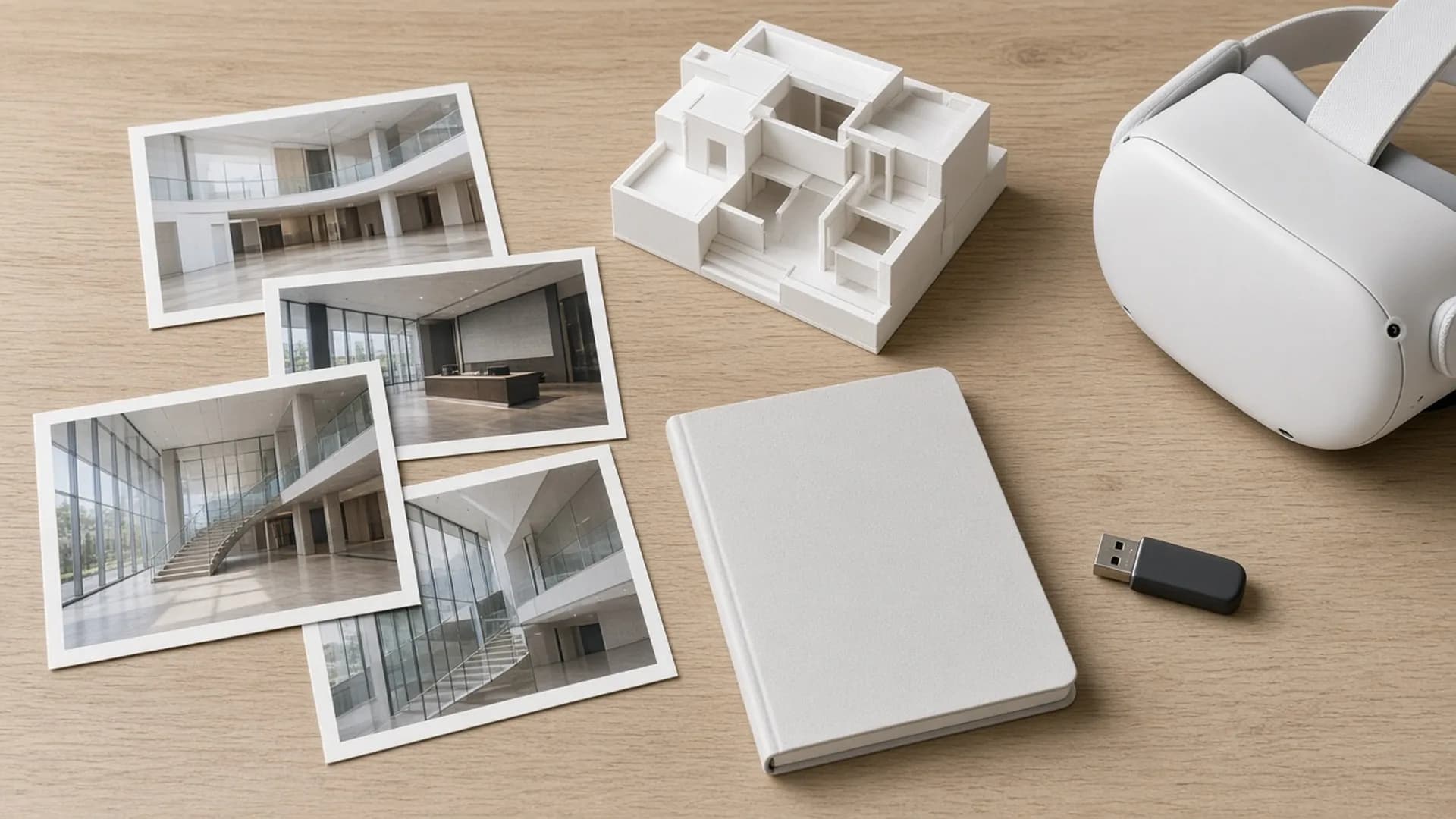
What content you need before starting a virtual reality project
A checklist of the content worth having before starting a virtual reality project: 3D models, plans, photographs, a script, text, brand and permissions.
How much does a professional virtual reality experience cost?
What the cost of a professional virtual reality experience depends on: content, interactivity, hardware, maintenance and deployment.
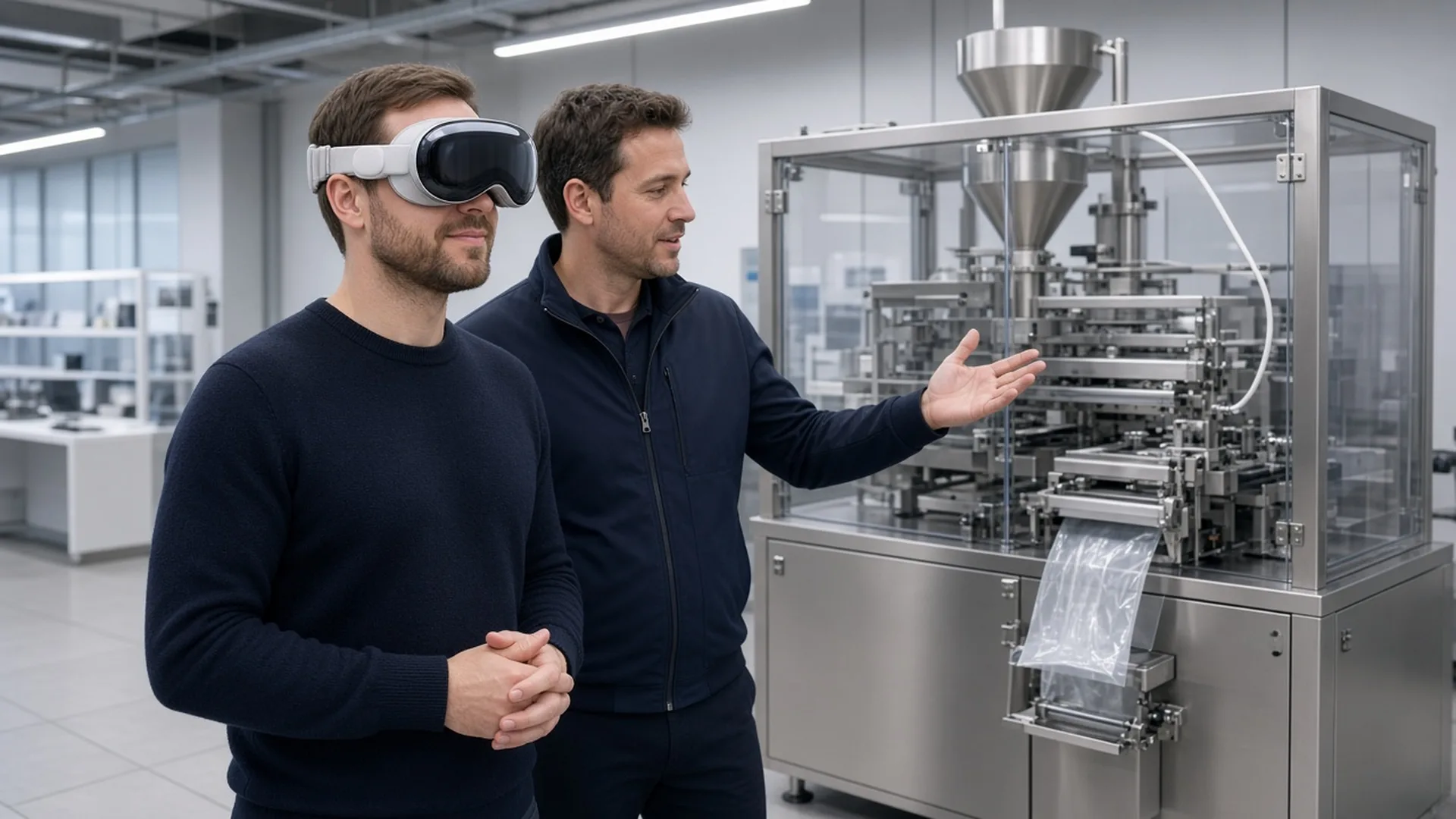
Product demonstrations in virtual reality: when they are better than physical ones
When a virtual reality product demonstration beats a physical one: products that are large, expensive, dangerous or customised.
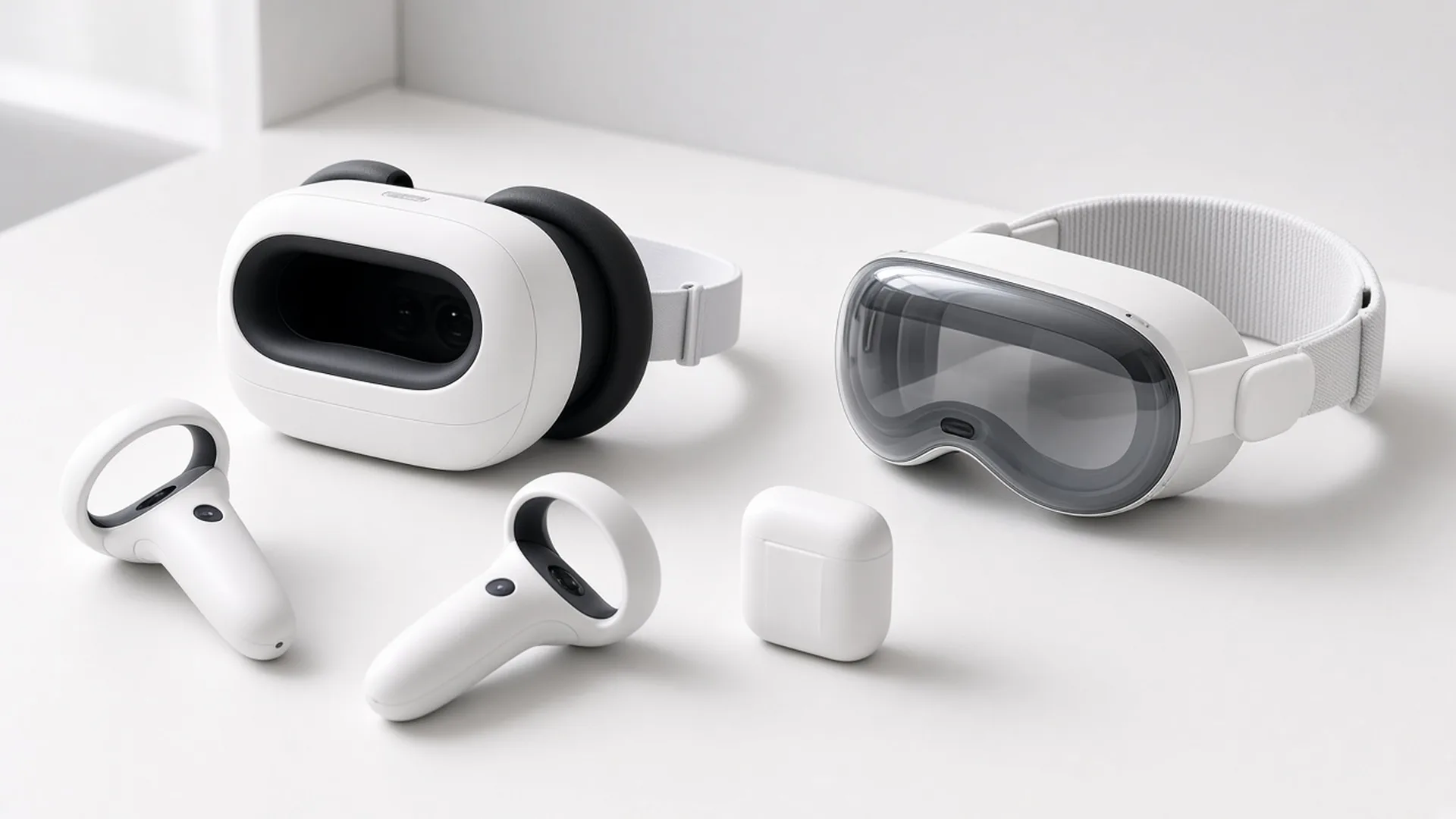
Virtual reality headsets for companies: a guide for beginners
How to choose virtual reality headsets for your company: types, buying criteria, fleet management, hygiene, accessories and rental versus purchase.
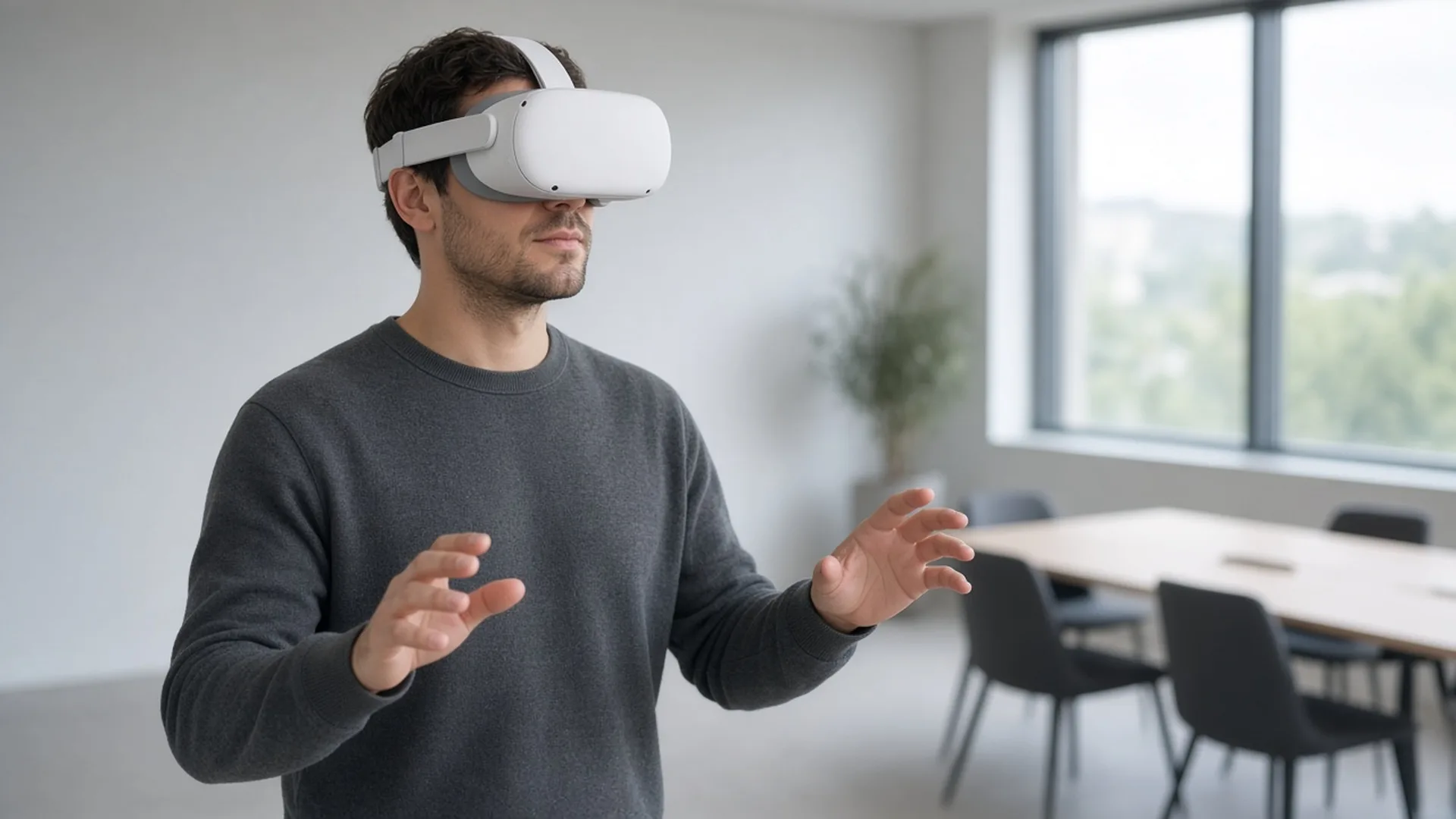
What virtual reality is and how companies can use it
What virtual reality is, how it works and what companies use it for beyond video games: training, sales, trade shows, virtual visits and design.
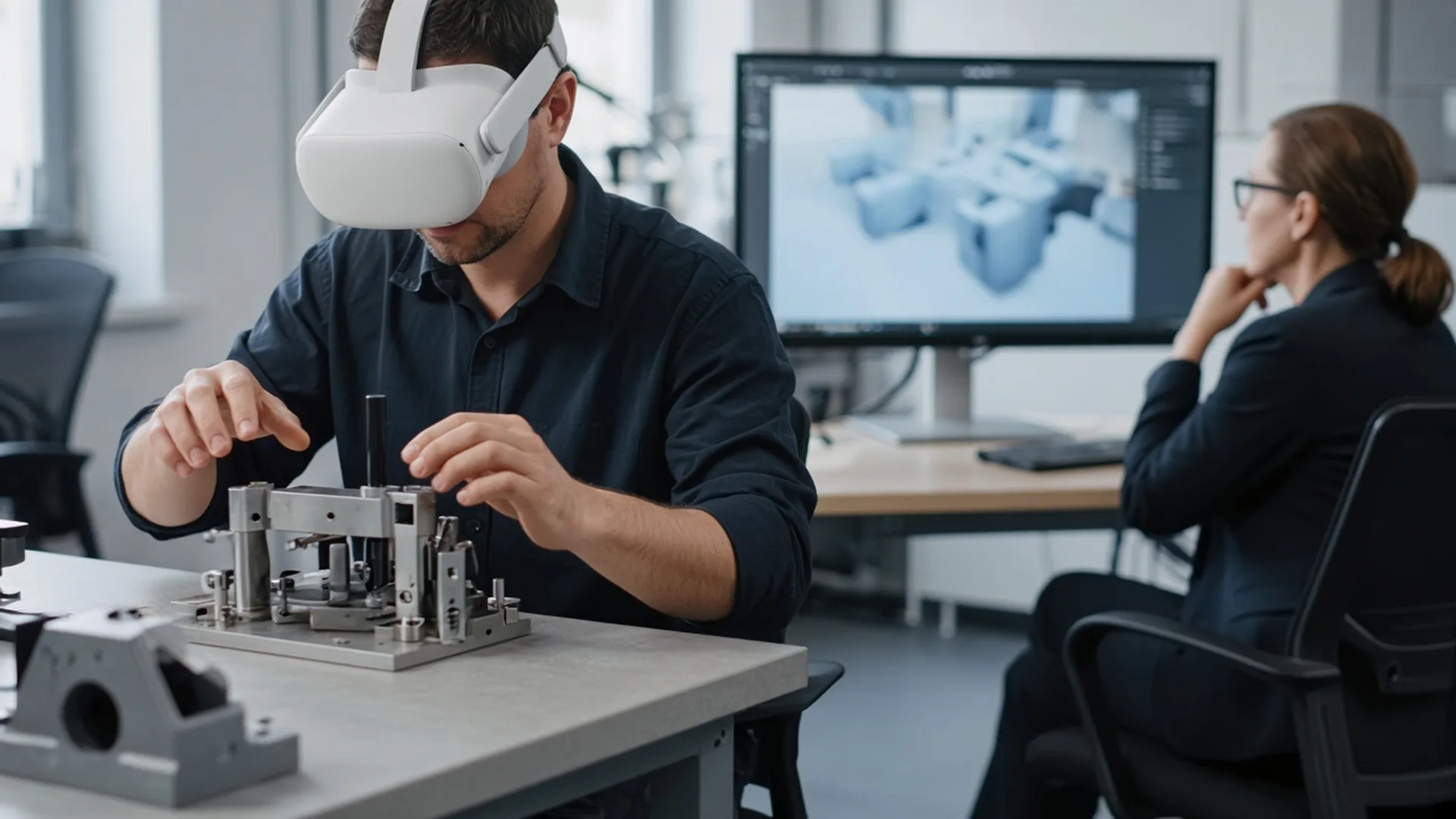
Virtual reality for companies: 15 practical applications
Fifteen practical uses of virtual reality in business: training, sales, trade shows, factory visits, design, safety, HR and more, with criteria for choosing.
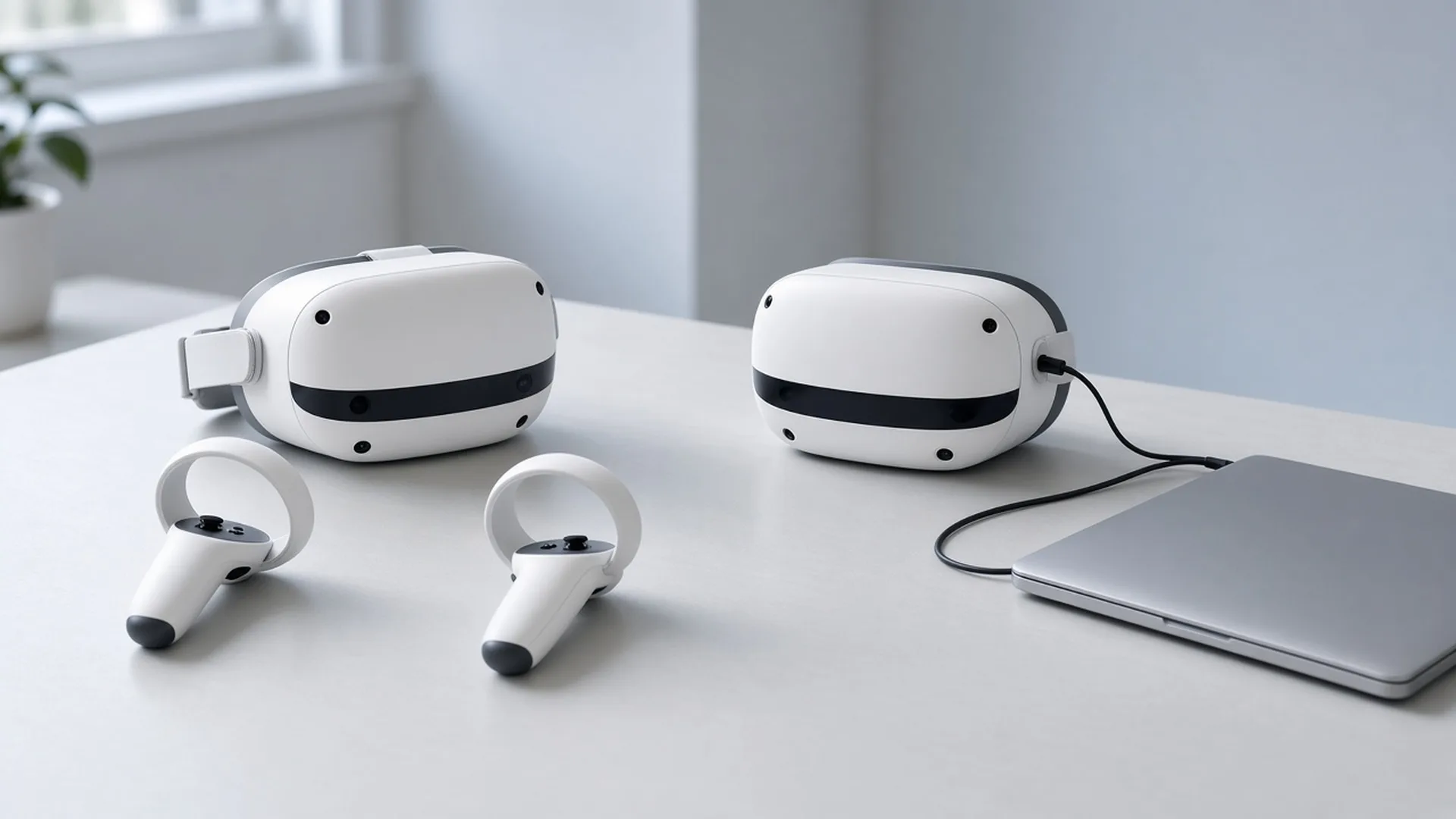
Standalone VR vs PC VR: what the difference is and which to choose
A comparison of standalone virtual reality and virtual reality connected to a PC: graphical quality, mobility, cost, logistics and use cases for companies.

10 gamification ideas for marketing campaigns
Ten gamification ideas for your campaigns: treasure hunt, quiz, prize wheel, branded mini-game, collectables, social challenges and more.
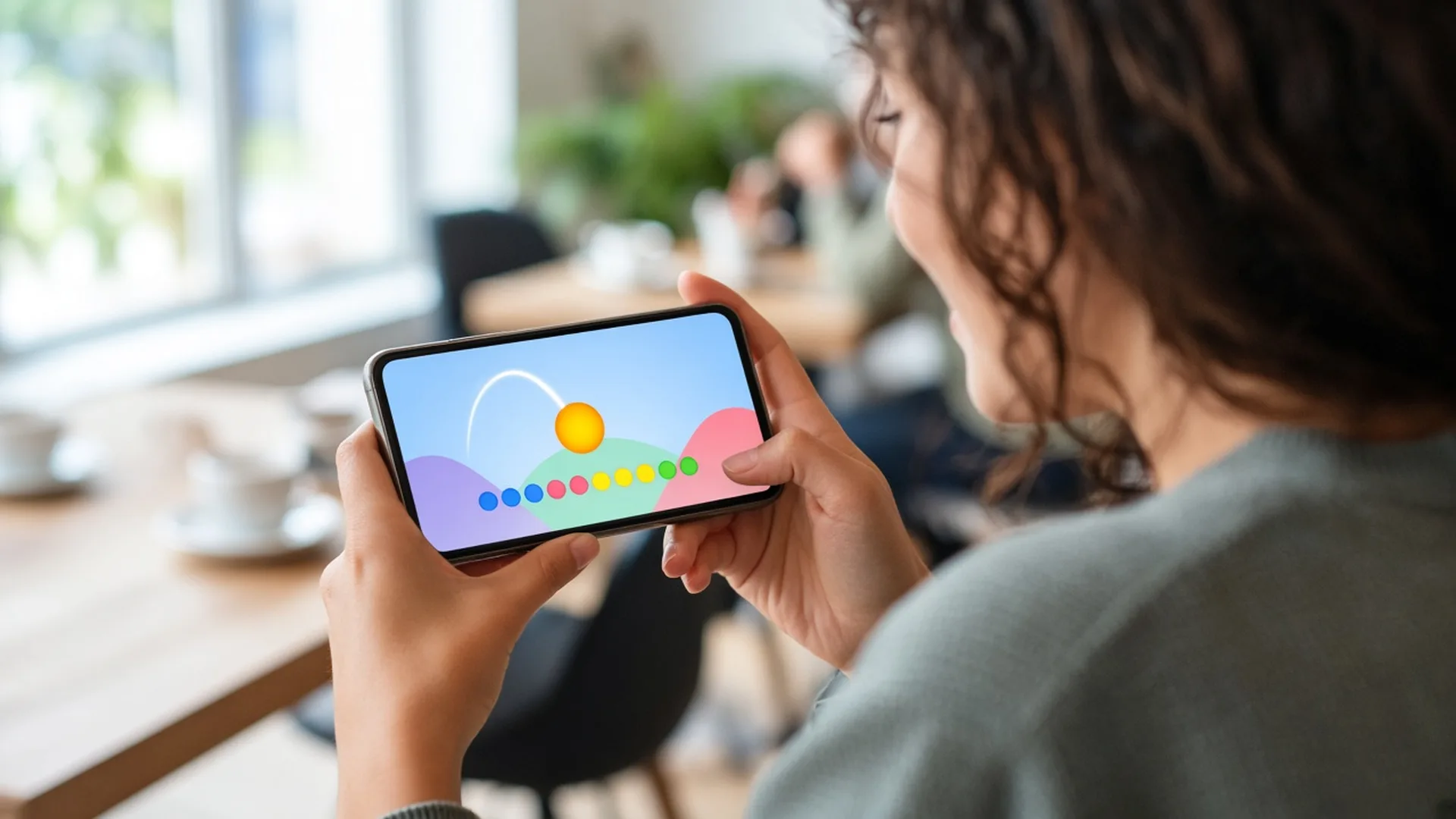
How to create a branded mini-game
A guide to creating a branded mini-game: objective, mechanic, design, length, rewards, browser development, testing and measurement. With practical advice.

How gamification can increase your customers' engagement
How gamification increases customer engagement: motivations, mechanics that work, loyalty examples and how to measure involvement.

How to measure the success of a gamified campaign
Which metrics to use to measure a gamified campaign: participation, completion, leads, redemptions, retention and ROI.

How to use games to generate marketing leads
How to capture leads with marketing games: where to ask for the data, what reward to offer

How to use rewards without making your campaign look cheap
How to design rewards in gamified campaigns without devaluing the brand: types of prize, intrinsic motivation, exclusivity, prize draws and legal aspects.

Common gamification mistakes that brands should avoid
The most common mistakes when gamifying a campaign: complicated mechanics, poorly chosen prizes, and a lack of objective, promotion or measurement.

Gamification vs traditional marketing: what is the difference?
Differences between gamification and traditional marketing: participation versus exposure, data, cost, measurement and when it is worth combining them.

What is gamification in marketing?
What gamification in marketing is, how it works, which elements it uses (challenges, points, rewards), examples and when it is worth using in your campaign.

Quiz, challenge or game: which format to choose for your campaign
How to choose between a quiz, a challenge or a game for your marketing campaign: objectives, production effort, data you obtain and recommended cases.
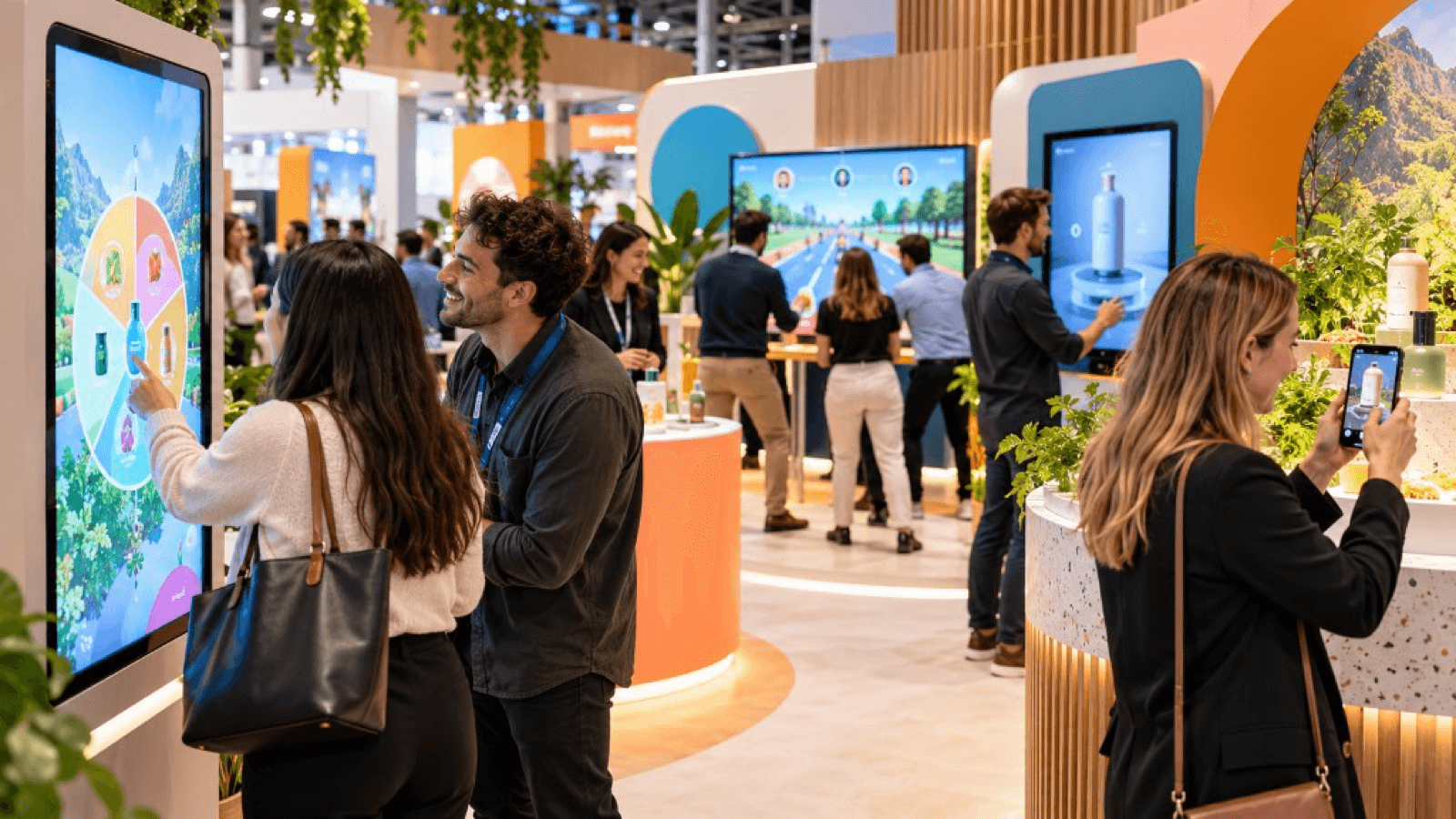
10 interactive ideas for trade shows that go beyond the gift
Ten interactive ideas to stand out at a trade show: virtual reality, games, configurators, AR, factory tours
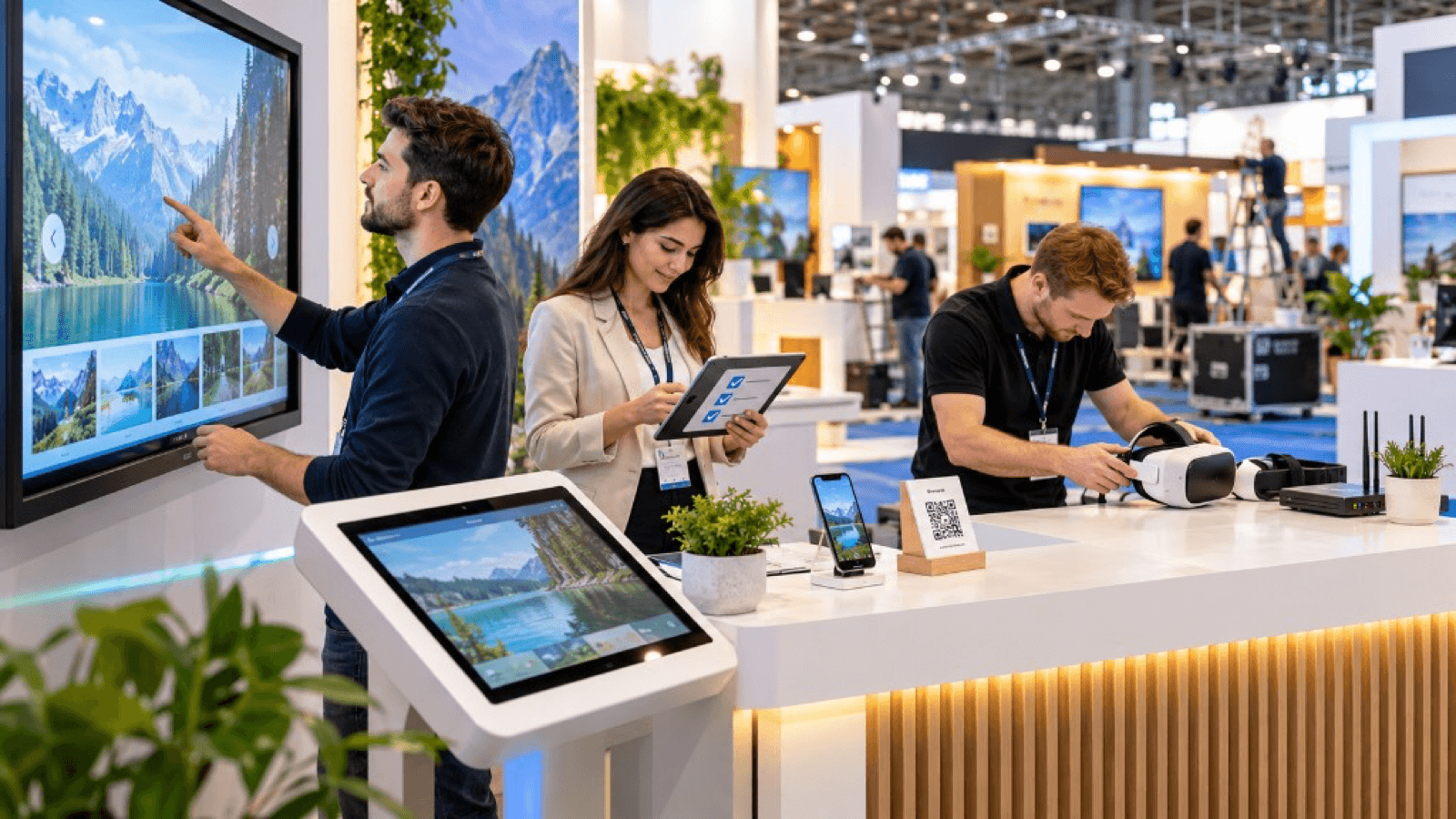
Technology checklist for trade shows: what you need before the event
Technology checklist for your trade show stand: hardware, power, connectivity, content, plan B, staff, safety, logistics and prior testing.

How to attract more visitors to your stand at a trade show
Strategies to attract visitors to your stand before, during and after a trade show: design, interactive experiences, digital preview
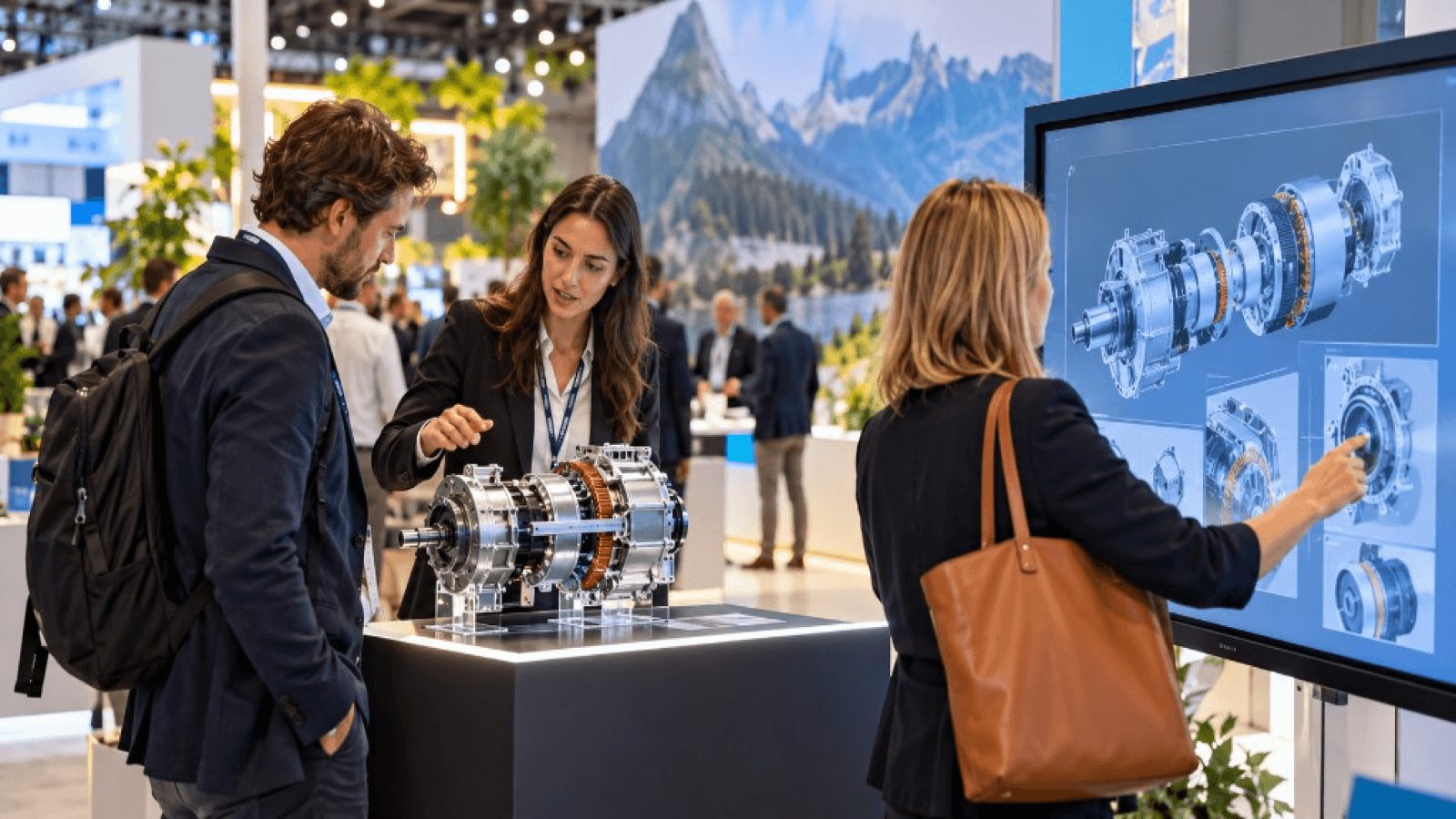
How to create an interactive product demonstration for a trade show
How to create an interactive product demonstration for a trade show: objective, format, script, interactions, hardware, data capture and prior testing.
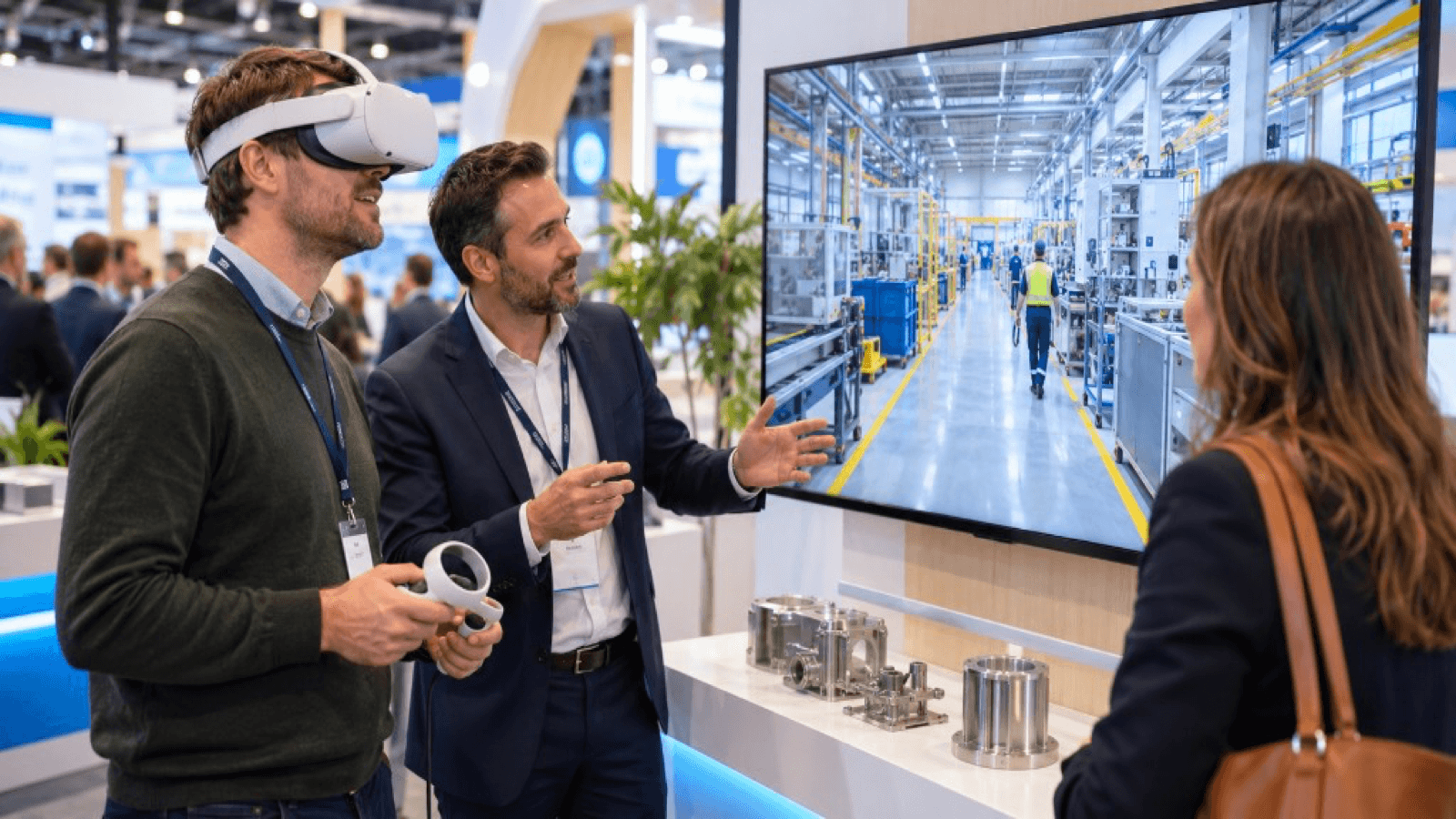
How to create a virtual factory tour for sales and events
Guide to creating a virtual factory tour in 360º or in 3D: objectives, formats, production, points of interest, use in sales and trade shows
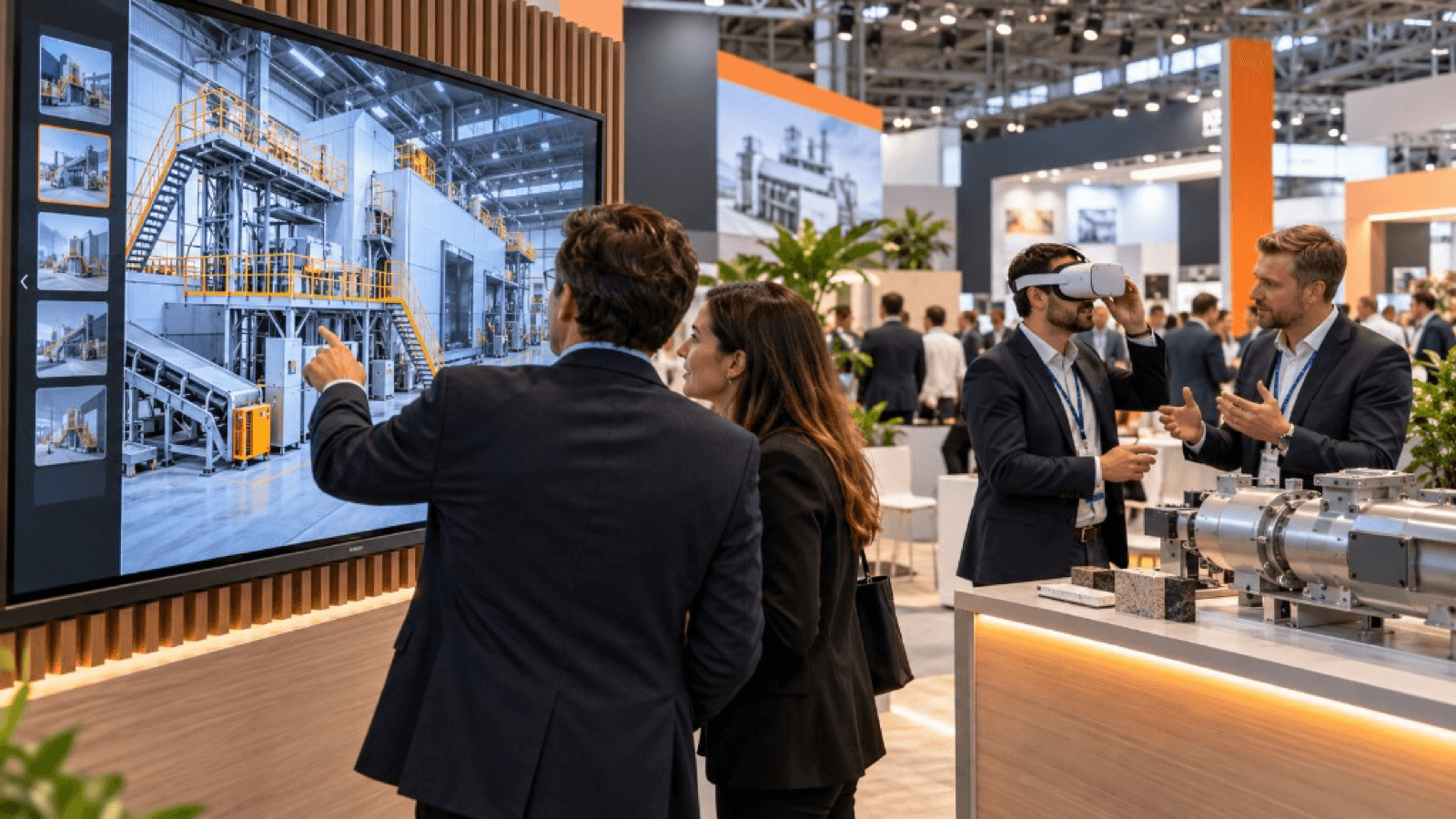
How to demonstrate large machinery without taking it to the trade show
How to present large industrial machinery at a trade show without taking it: virtual reality, augmented reality, digital twins, video and combinations.
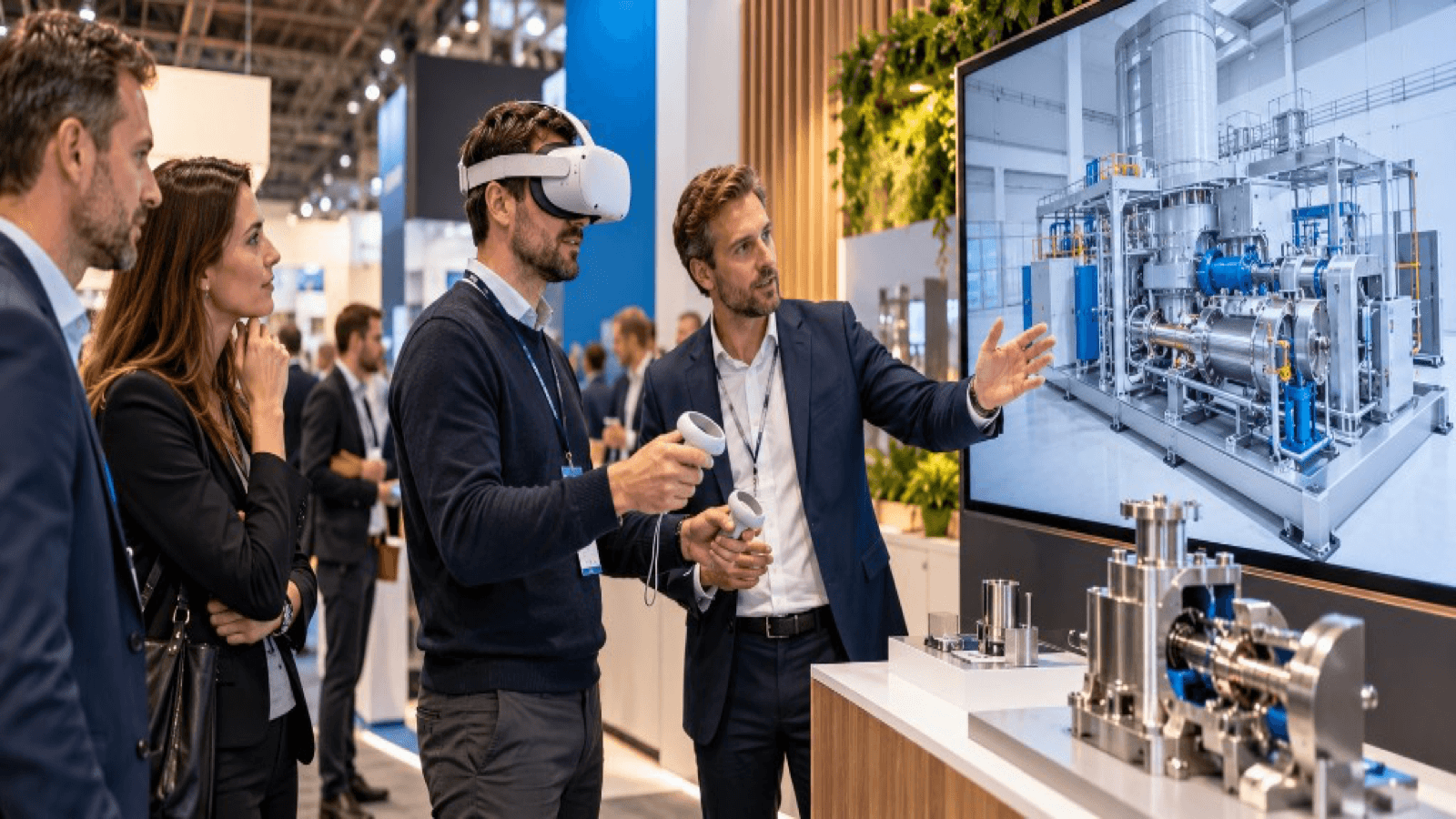
How virtual reality can explain complex industrial products
How to use virtual reality to explain complex industrial products: interior views, processes

How to generate more qualified leads at trade shows and exhibitions
Strategies to generate qualified leads at trade shows: preparation, qualification questions, interactive experiences, data capture and sales follow-up.
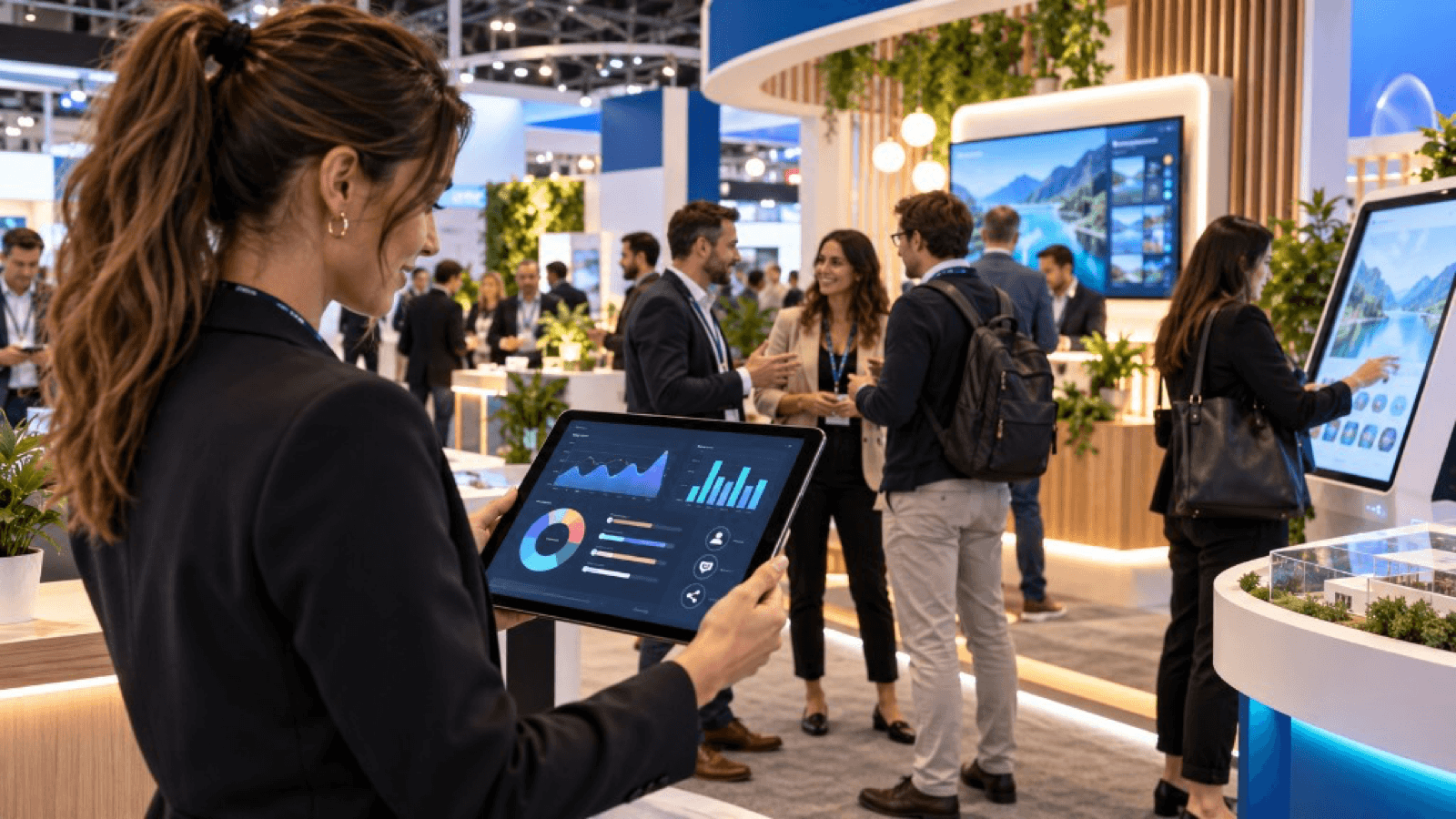
How to measure engagement at a trade show beyond visitor numbers
How to measure the success of a trade show beyond counting visitors: time at the stand, interactions, qualified leads, meetings, opportunities and event ROI.
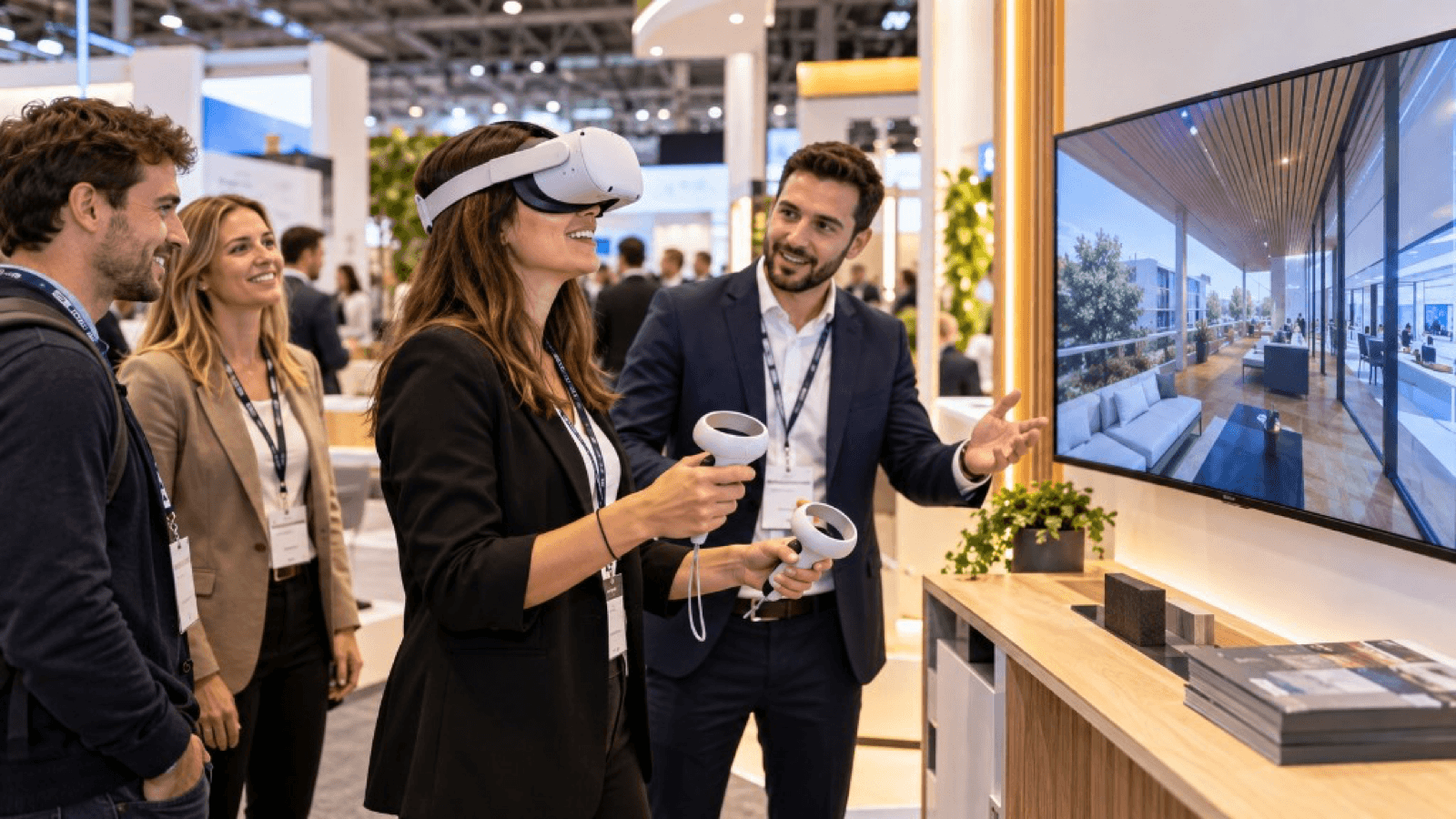
How to use virtual reality at a trade show or exhibition
How to use virtual reality at a trade show: objectives, types of experience, station design, staff, queue management, lead capture and measurement.
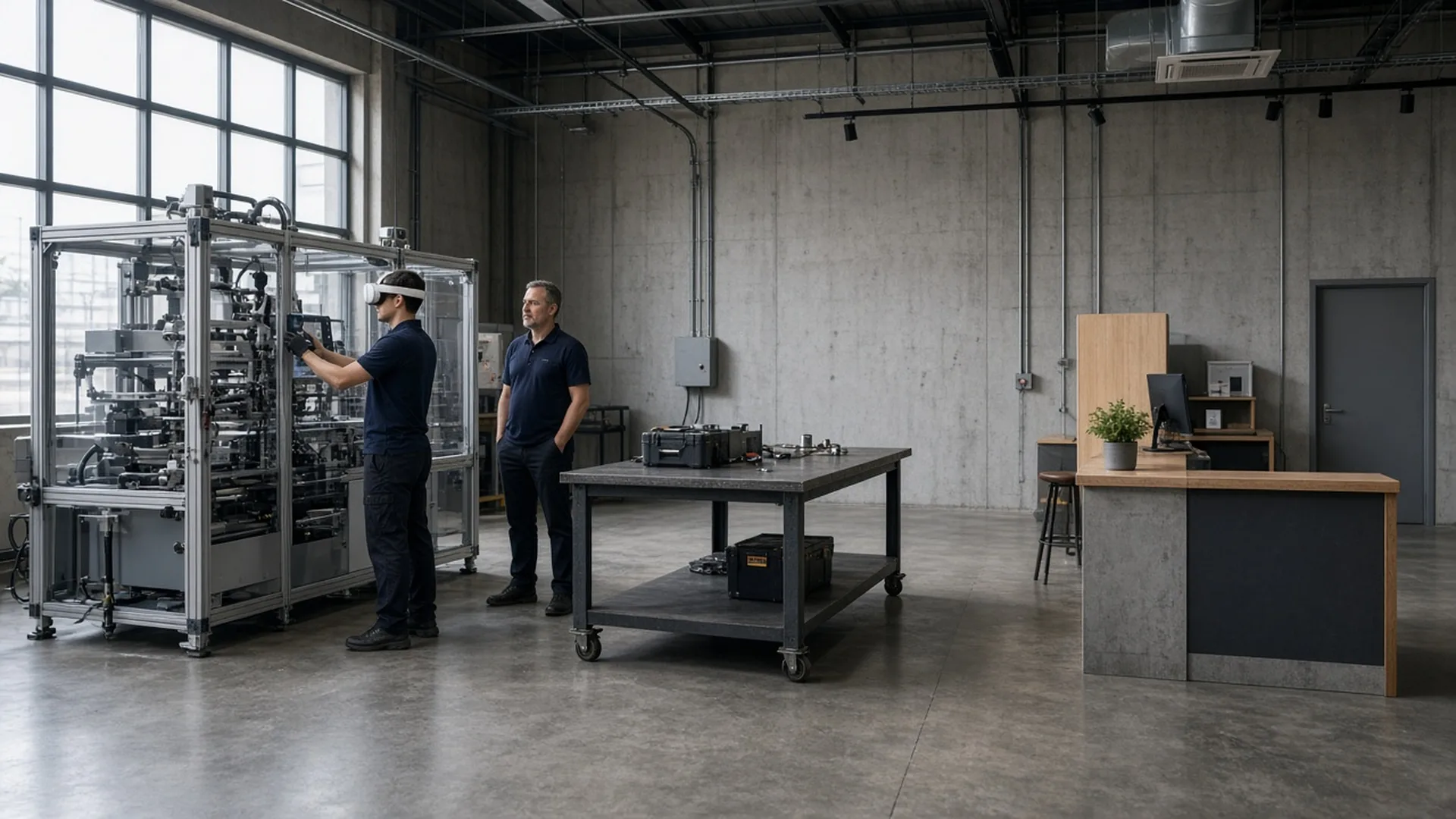
10 business processes that can be taught with virtual reality
Ten business processes ideal for virtual reality training: machinery operation, maintenance, safety, emergencies, customer service, sales and more.
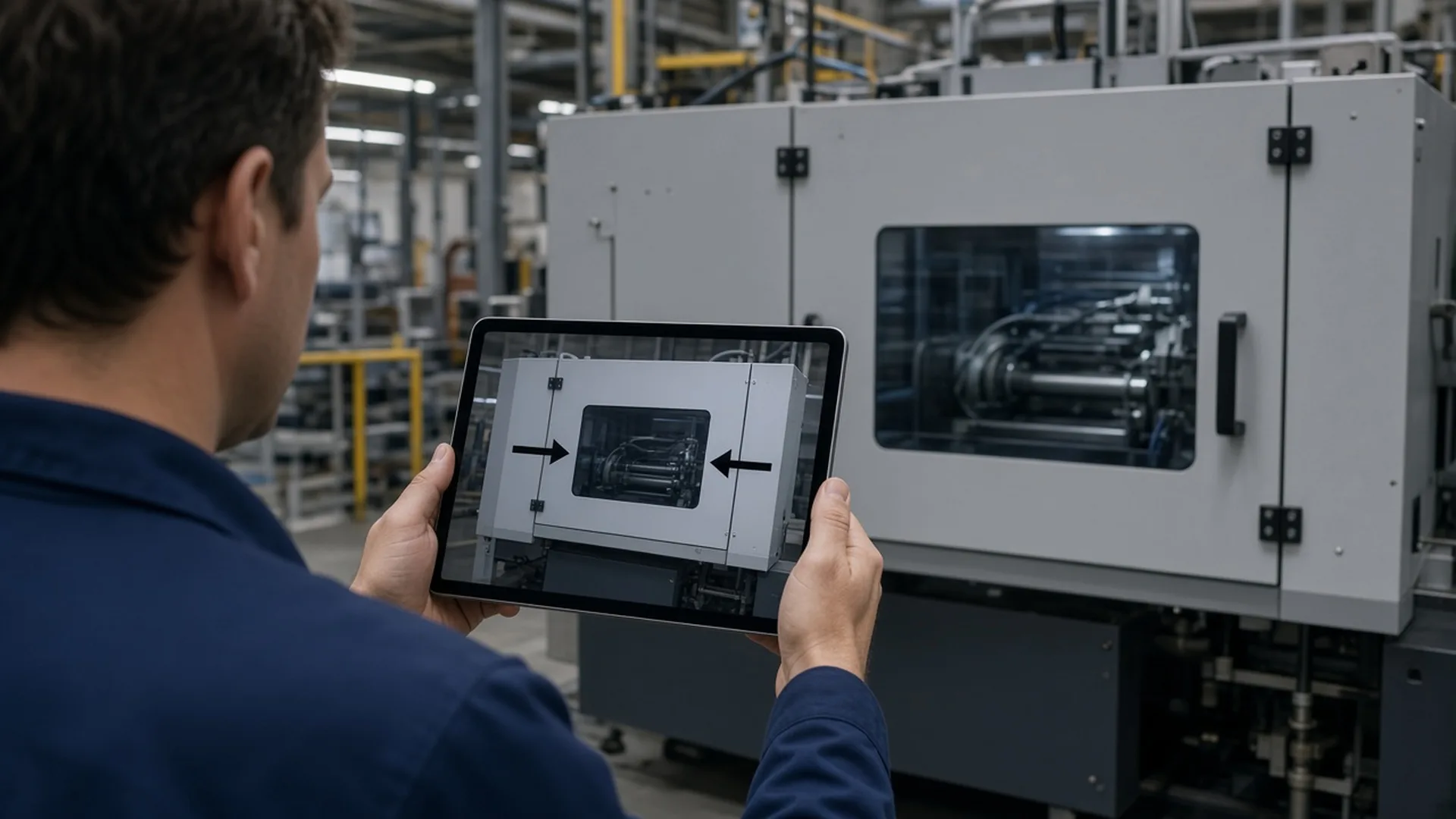
How augmented reality can help employees while they work
How augmented reality supports employees in their role: guided instructions, maintenance, picking, quality control
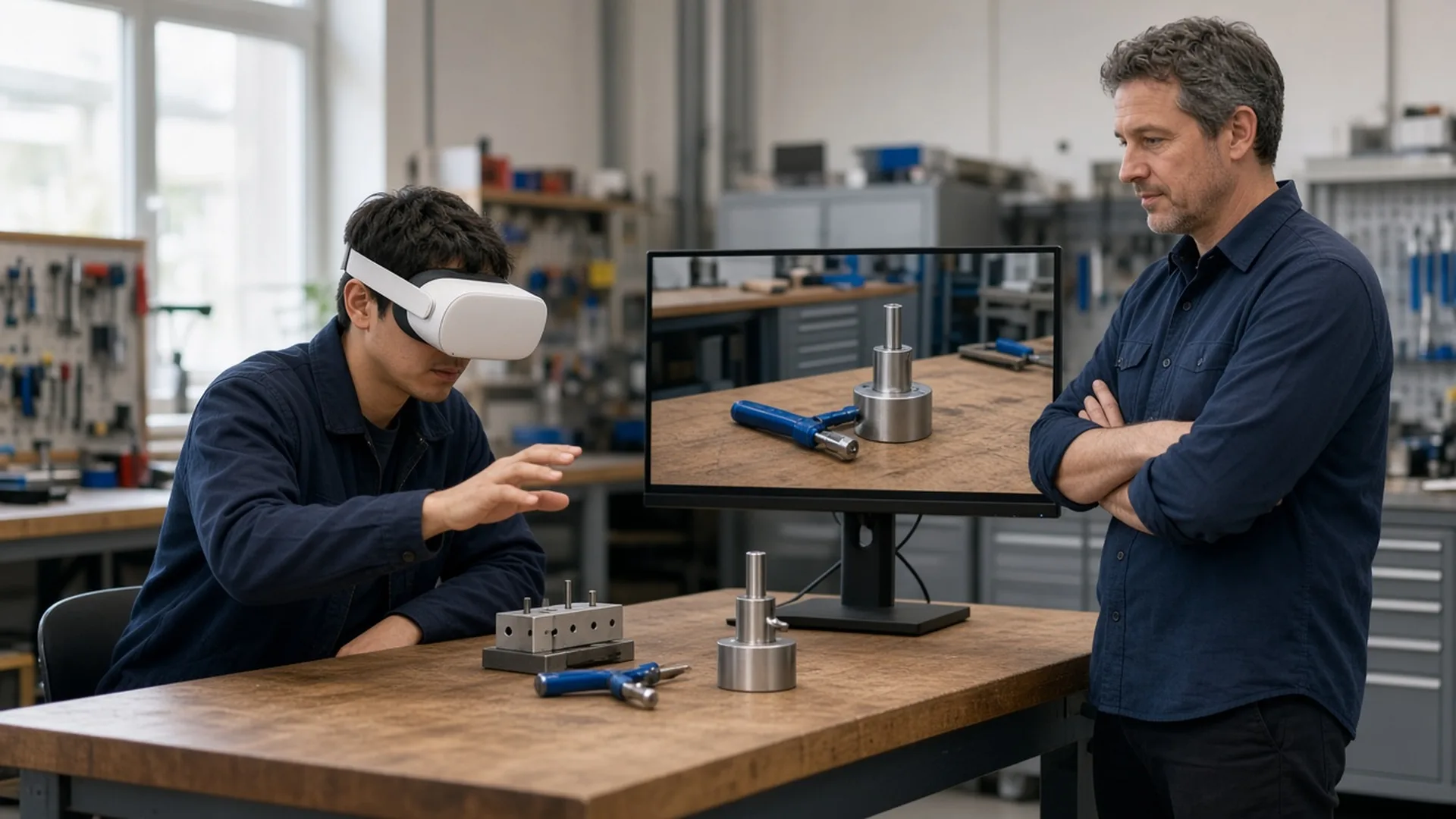
How to create a virtual reality training simulation
A guide to creating a virtual reality training simulation: learning objectives, instructional design, scenarios, assessment, development, testing and rollout.
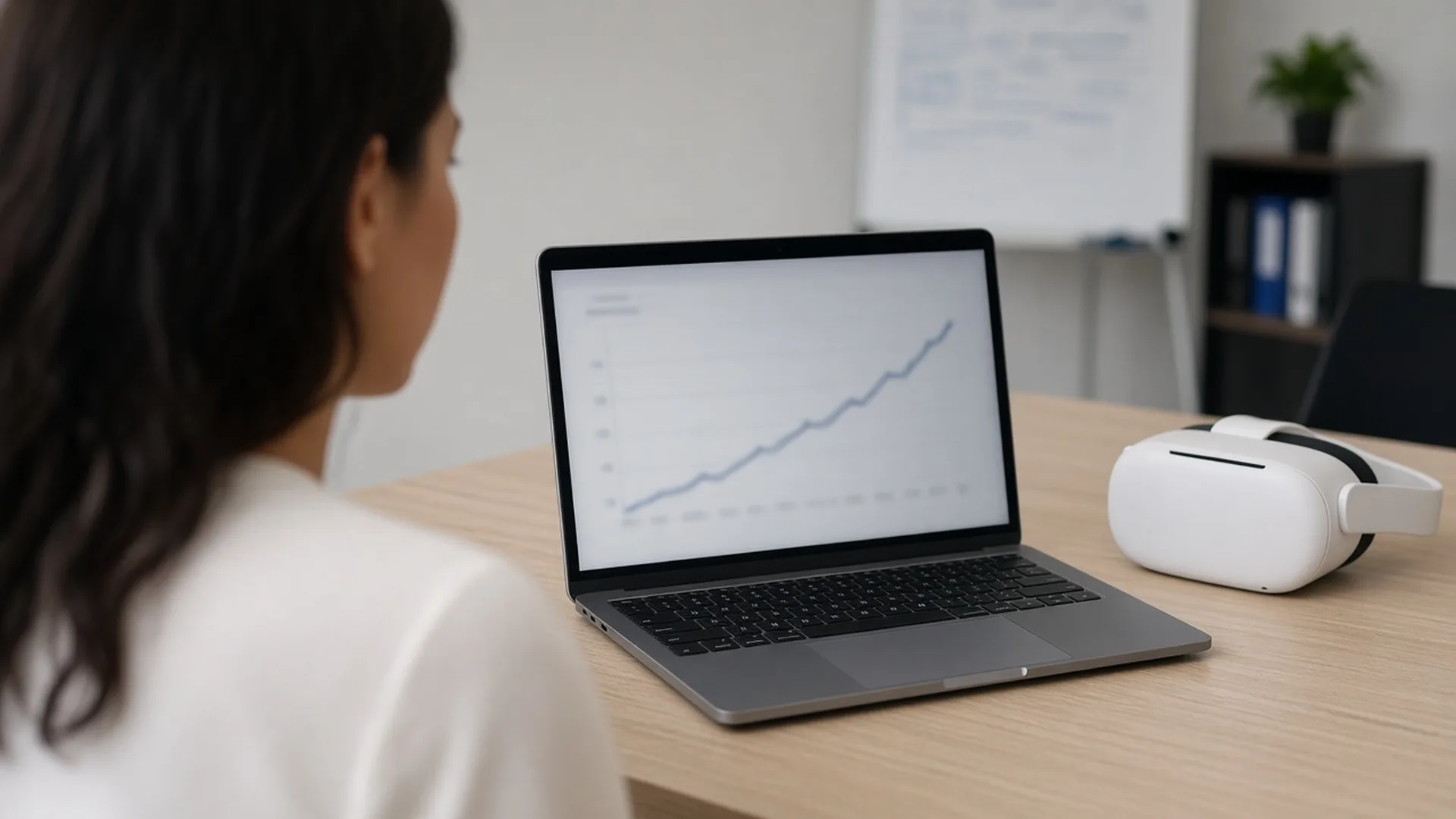
How to measure whether immersive training really works
How to assess whether VR or AR training works: a four-level model, metrics for learning, behaviour and the business
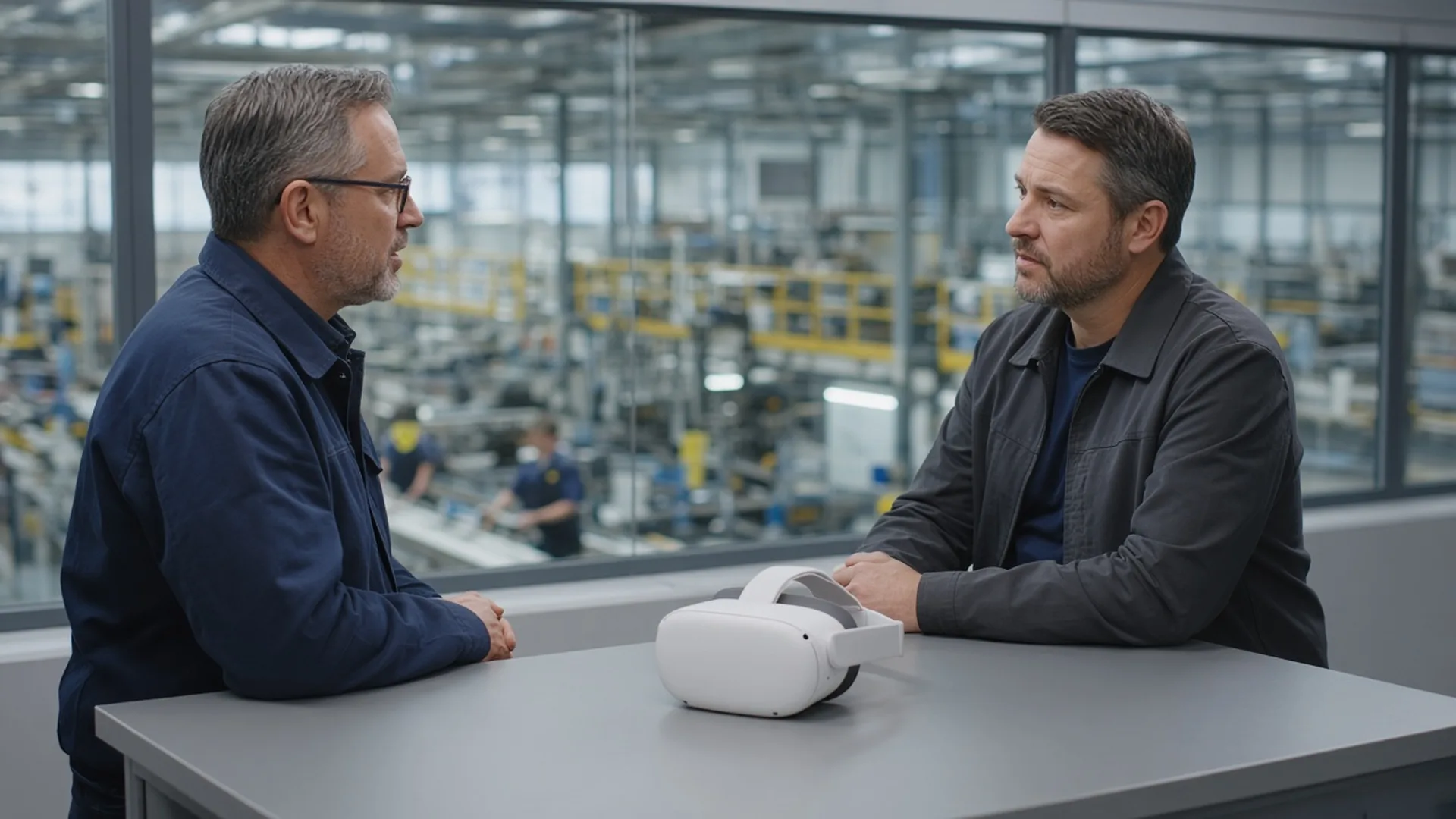
When does virtual reality training make economic sense?
When virtual reality training is cost-effective: learner volume, repetition, risk
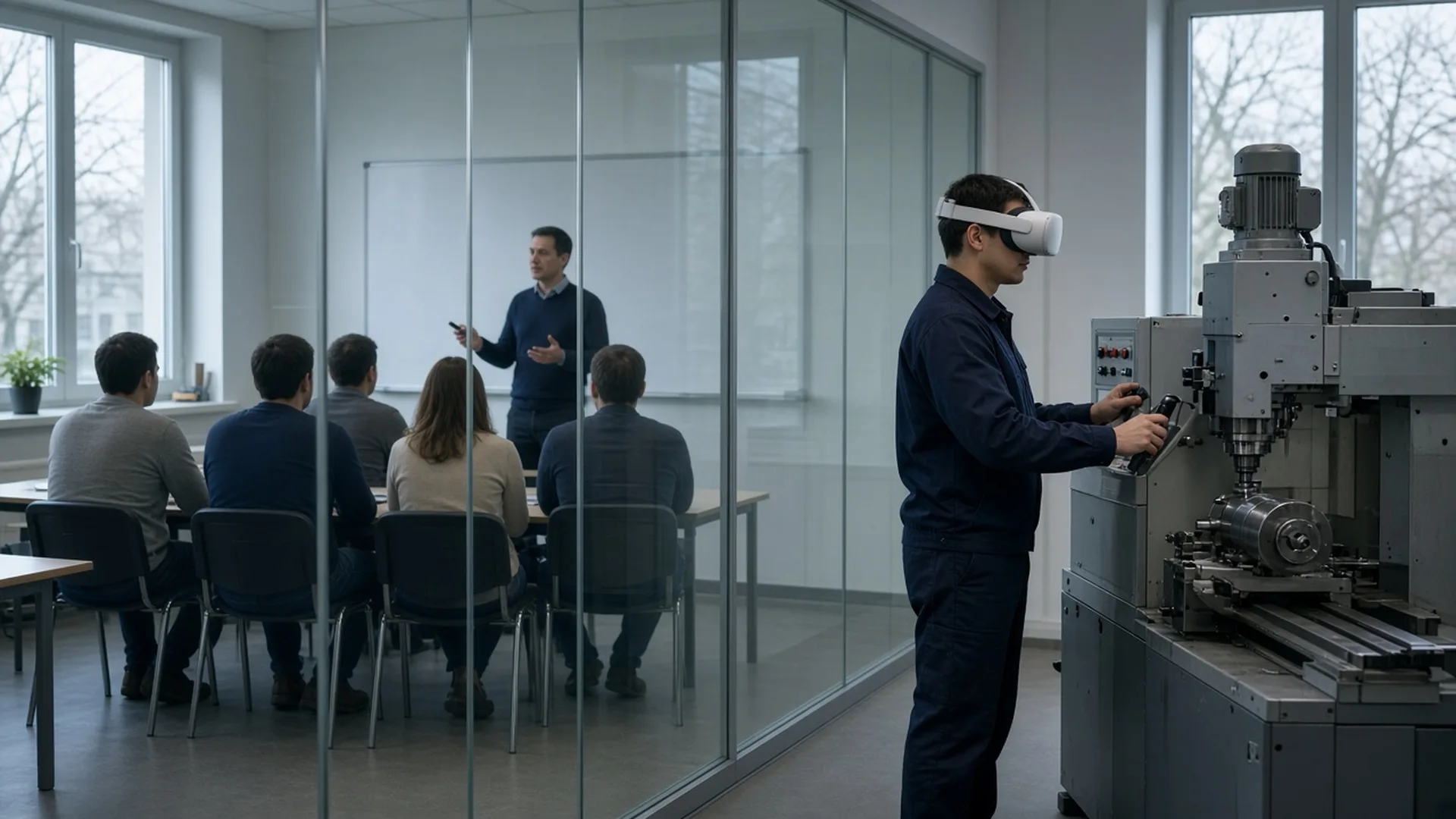
Virtual reality training vs traditional training: advantages and limits
A comparison of virtual reality training and traditional training: effectiveness, cost, safety, scalability and limits.
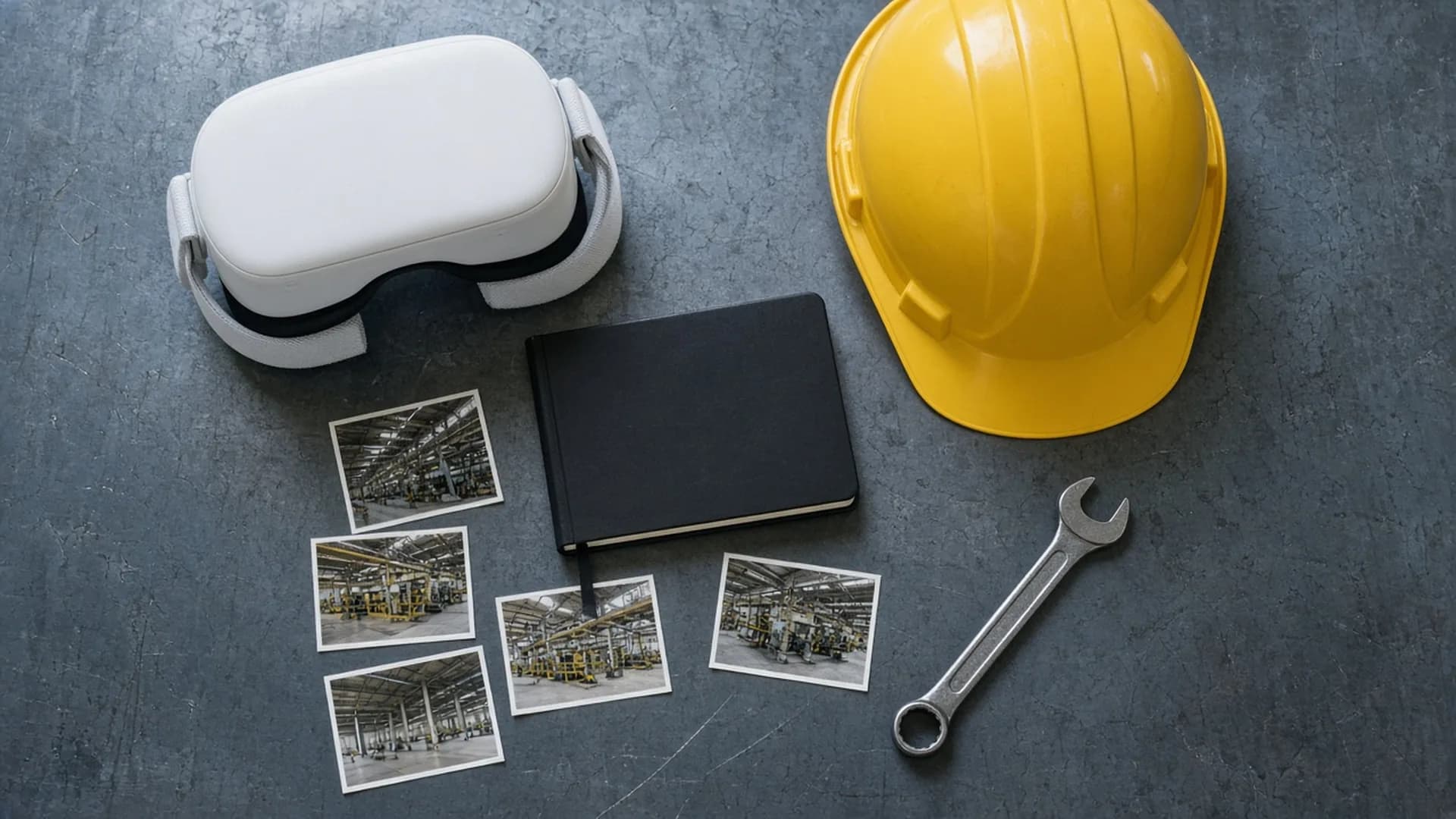
What a company should prepare before starting a virtual reality training project
A checklist for companies before launching a virtual reality training project: objectives, experts, content, hardware, space, HR, metrics and legal aspects.
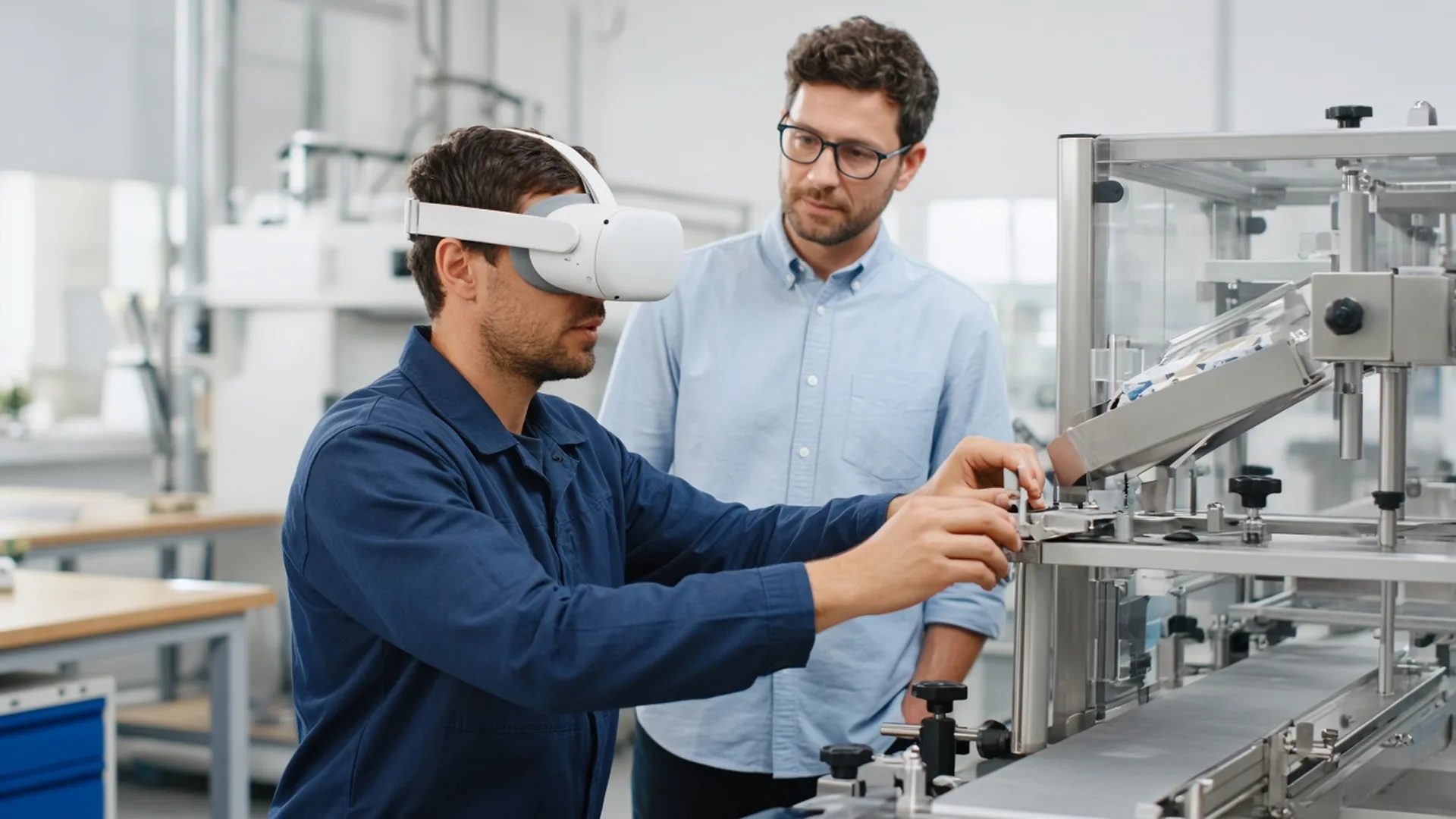
What is immersive training?
What immersive training is, how it works with virtual, augmented and mixed reality
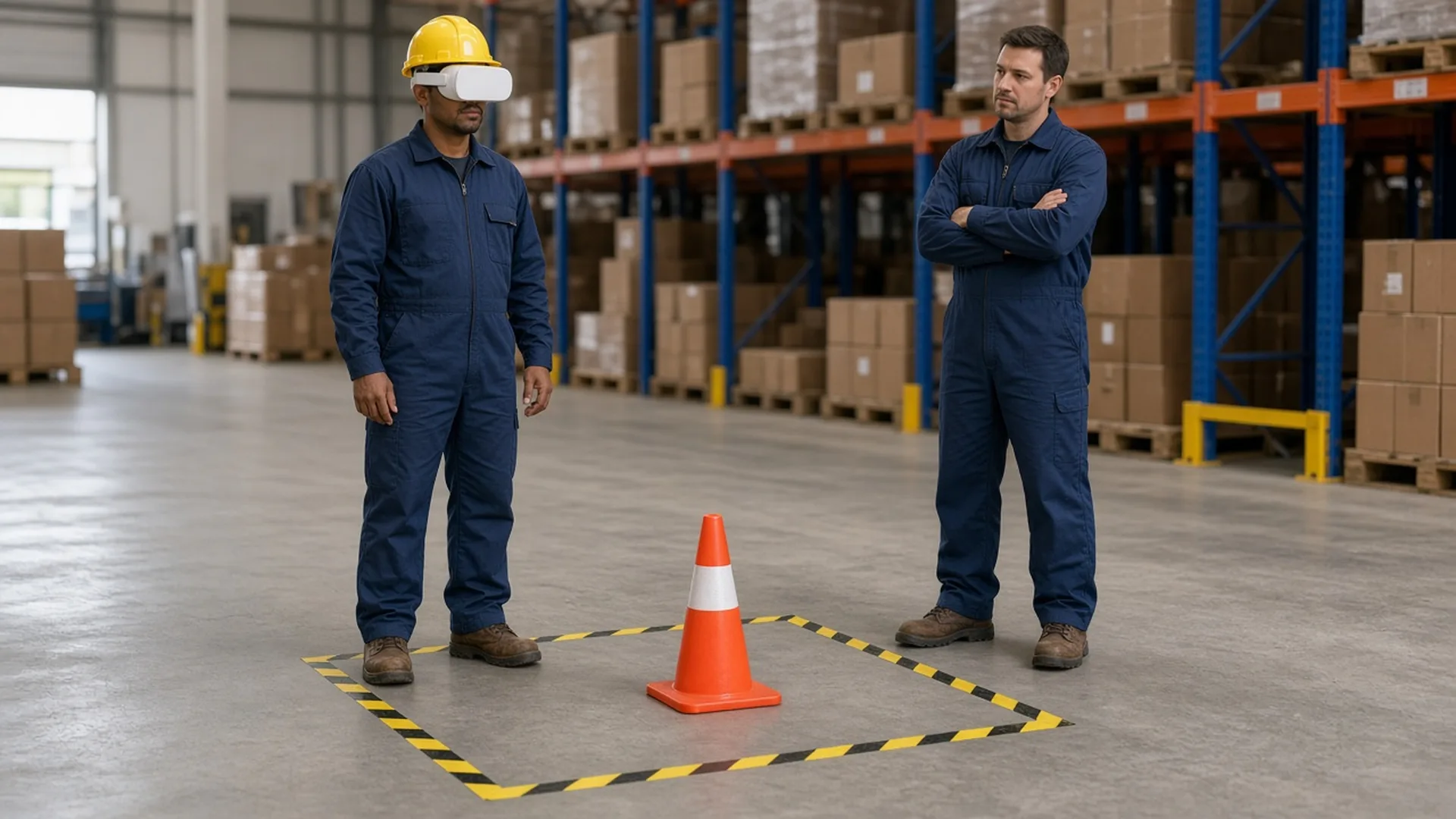
Virtual reality for health and safety training
How to use virtual reality in health and safety training: hazards, PPE, emergencies, work at height, assessment and compliance with the regulations.

Immersive technology for employee onboarding
How to use immersive technology in onboarding: virtual tours, first procedures, company culture, safety training and tracking induction.
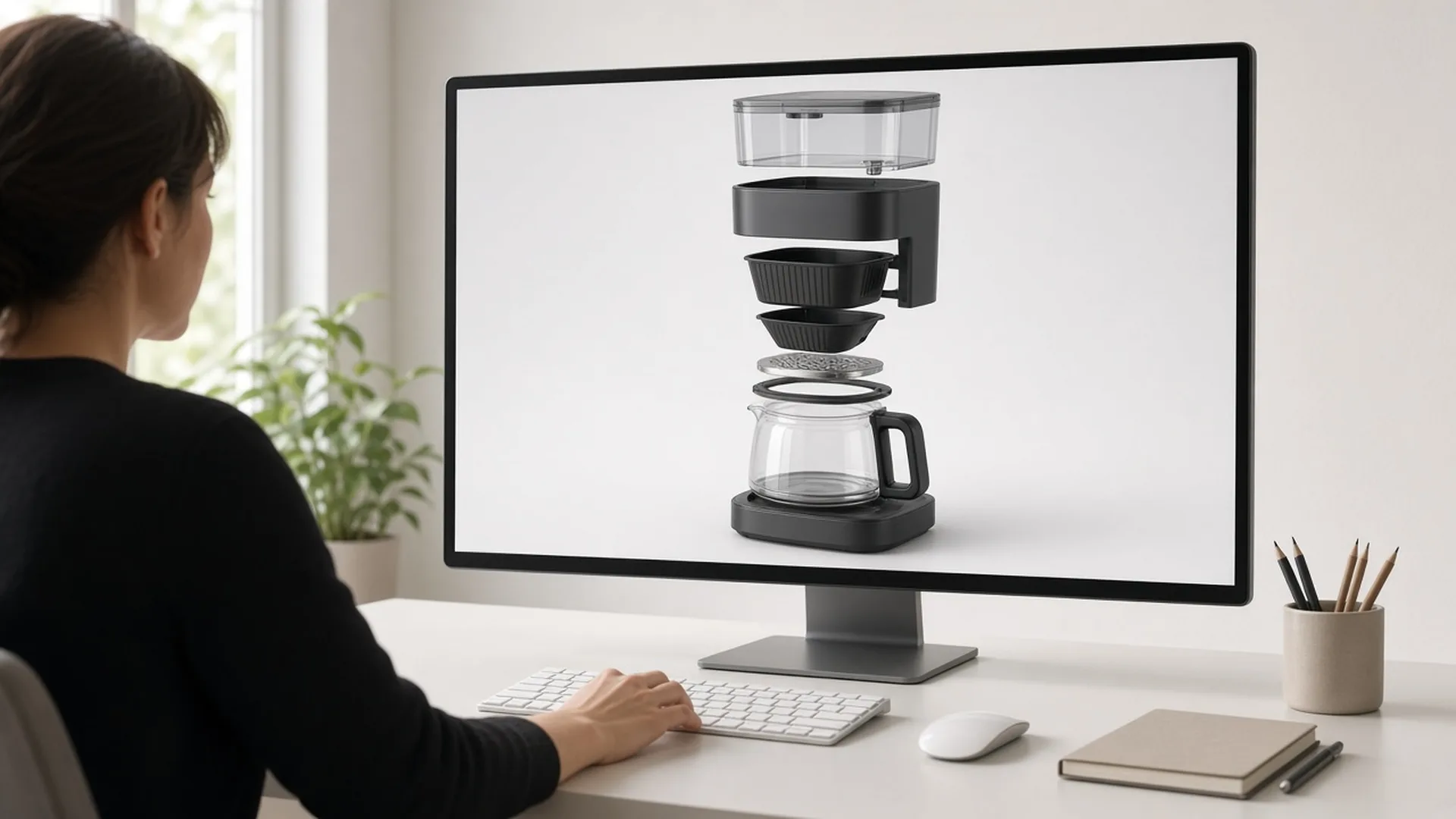
How interactive 3D can help explain complex products
How interactive 3D helps explain complex products: cutaway views, exploded views, animations, hotspots and layers of information for sales
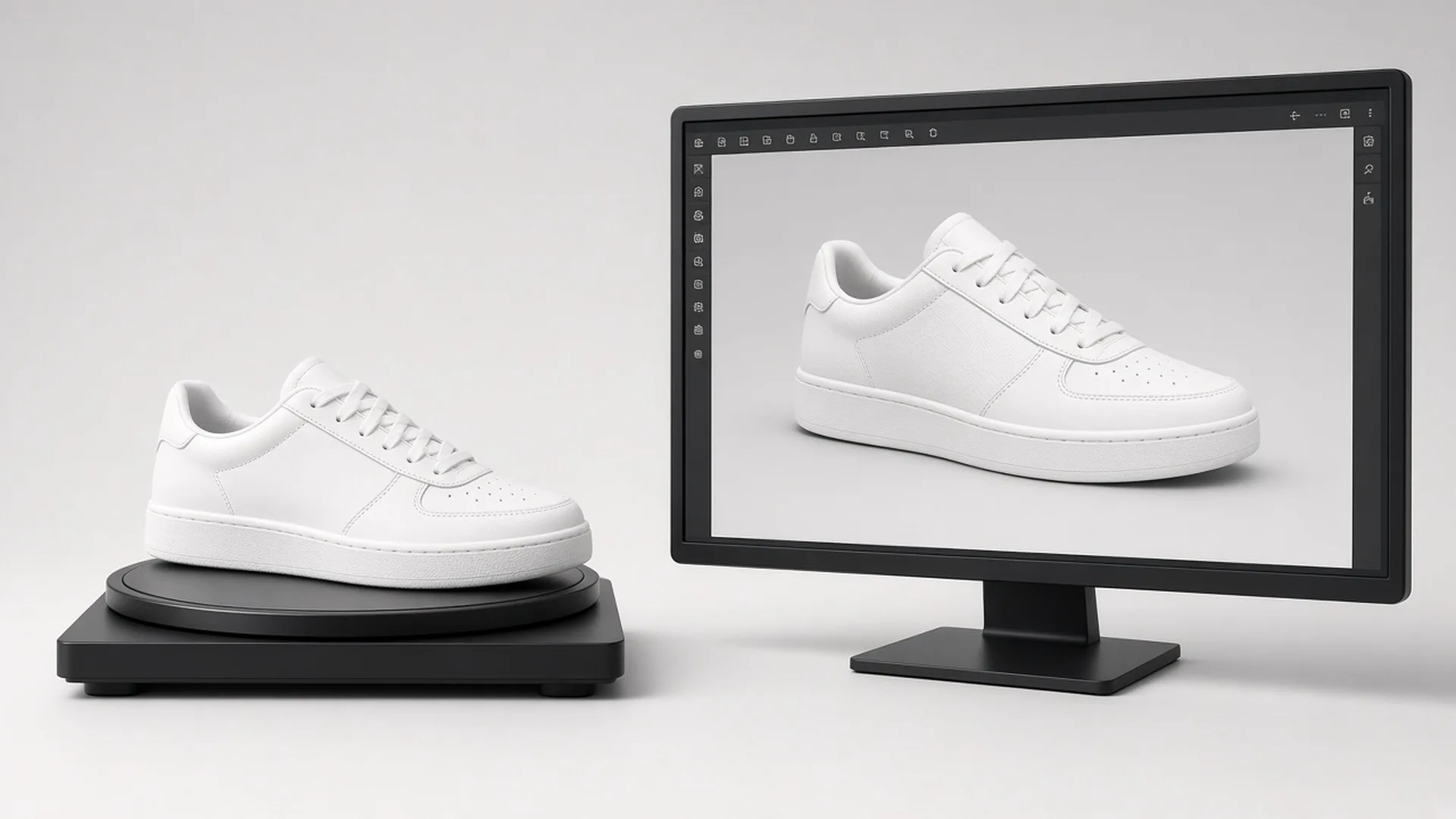
How to turn a physical product into an interactive 3D model
Methods for digitising a physical product in 3D: modelling from CAD and references, 3D scanning and photogrammetry.
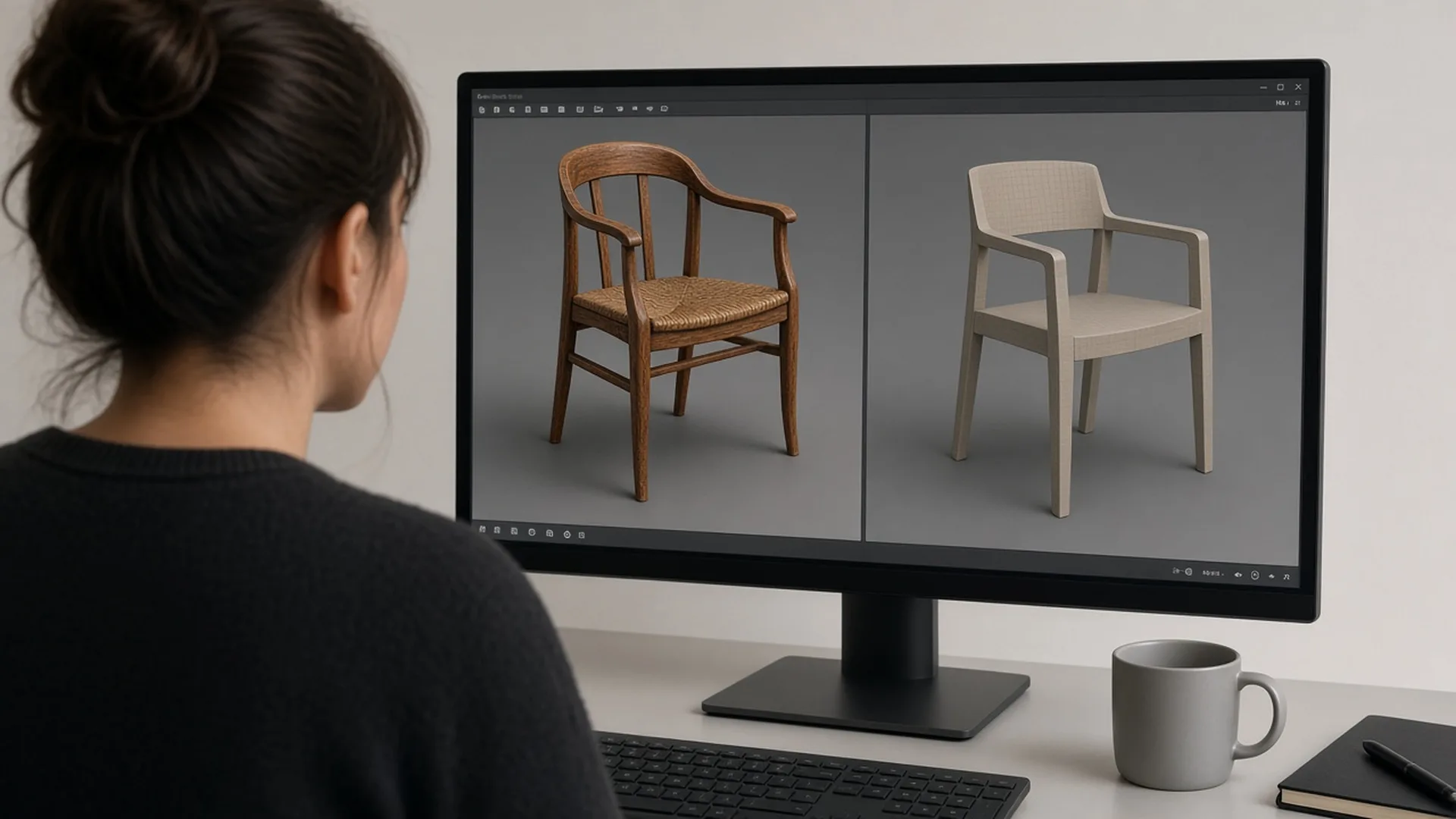
How to optimise 3D models for the web, augmented reality and virtual reality
Practical guide to optimising 3D models: polygons, textures, materials, formats (GLB, USDZ), compression and performance testing for web, AR and VR.
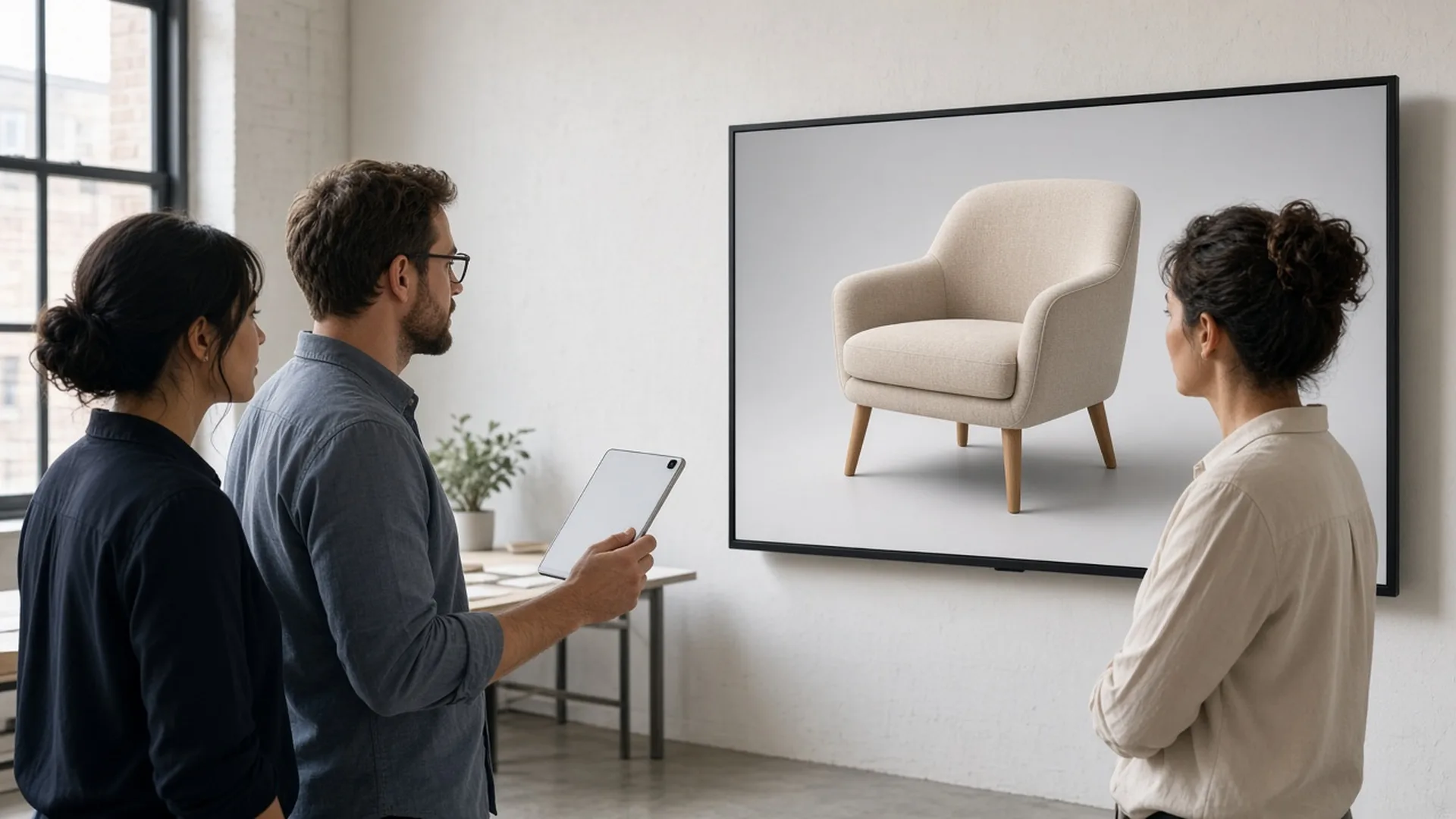
How to reuse the same 3D asset in marketing, sales and training
How to make a 3D model pay: images, video, web, AR, VR, configurator, trade fairs, training and support. Single-asset strategy and version management.
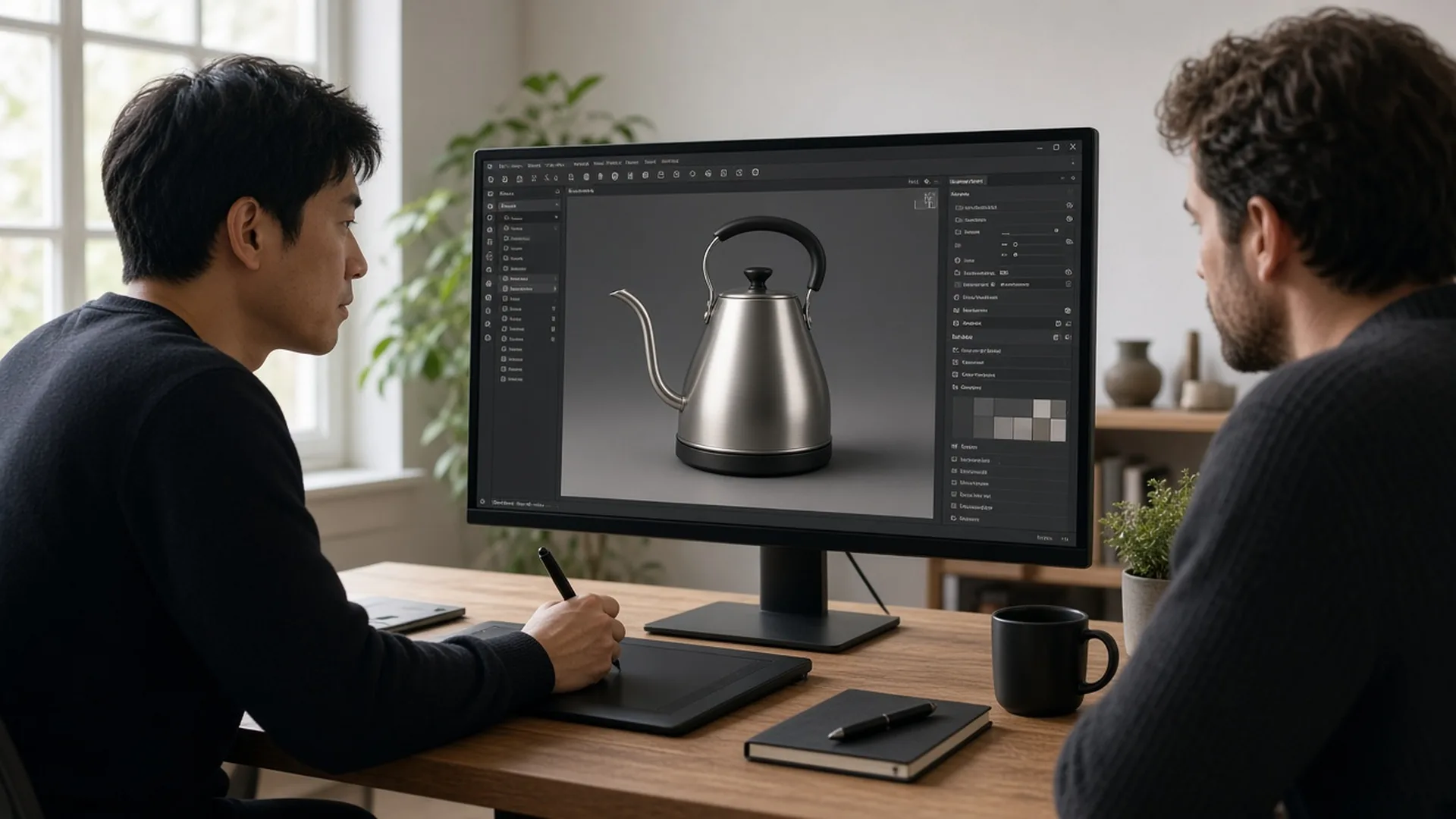
How much does professional 3D product modelling cost?
What the price of professional 3D product modelling depends on: complexity, quality, source material, optimisation, variants and end use.
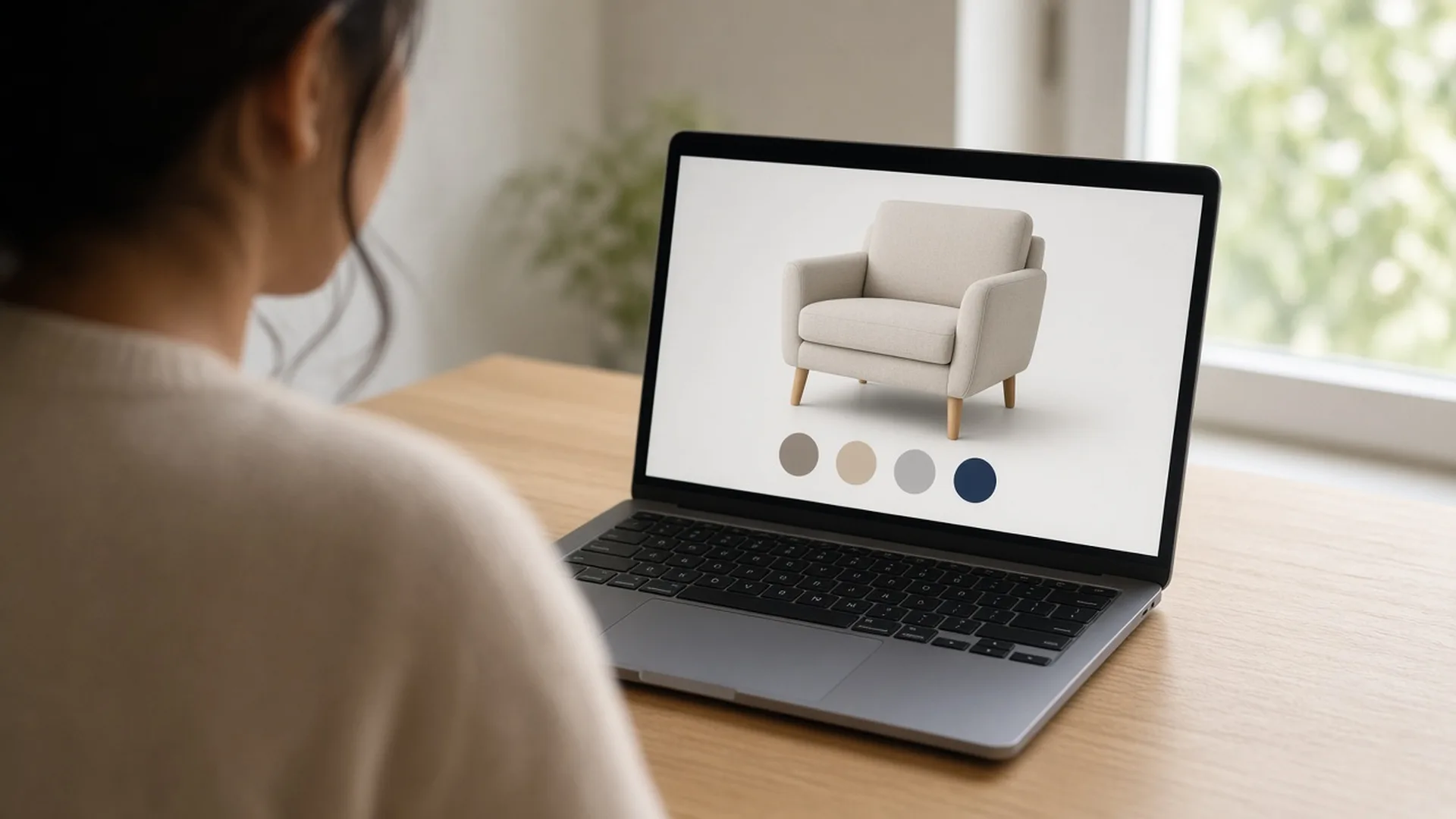
What is a 3D product configurator?
What a 3D configurator is, how it works, what benefits it brings in B2B sales and eCommerce, when it is worth having one, and what is needed to create it.
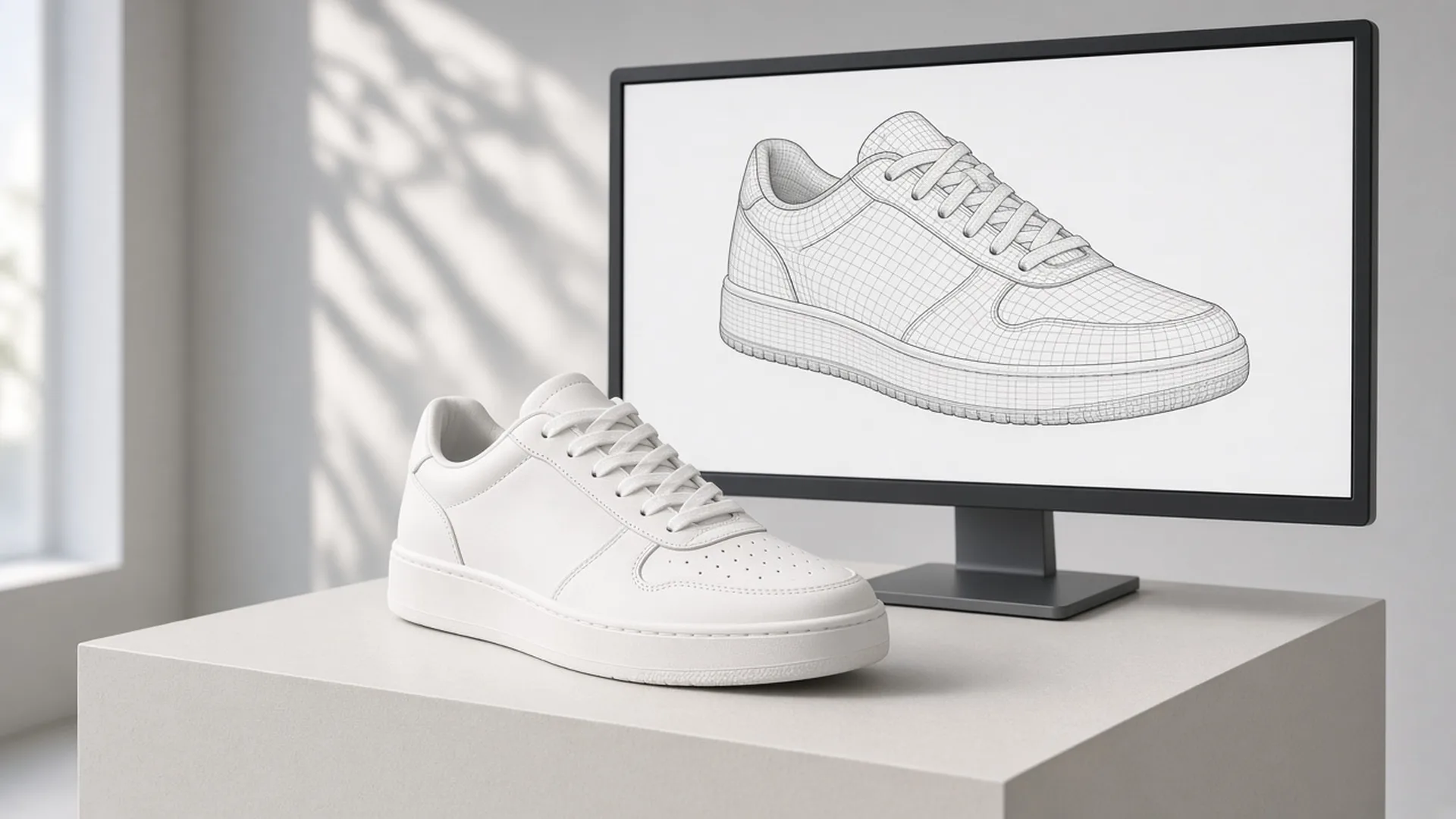
What a 3D product model is and why your company needs one
What a 3D product model is, what uses it has in marketing, sales, eCommerce, AR, VR and training, what types exist

What is a virtual showroom and how does it work?
What a virtual showroom is, how it works, which formats exist (360º, 3D, VR), what benefits it brings to sales and marketing, and what you need to create one.
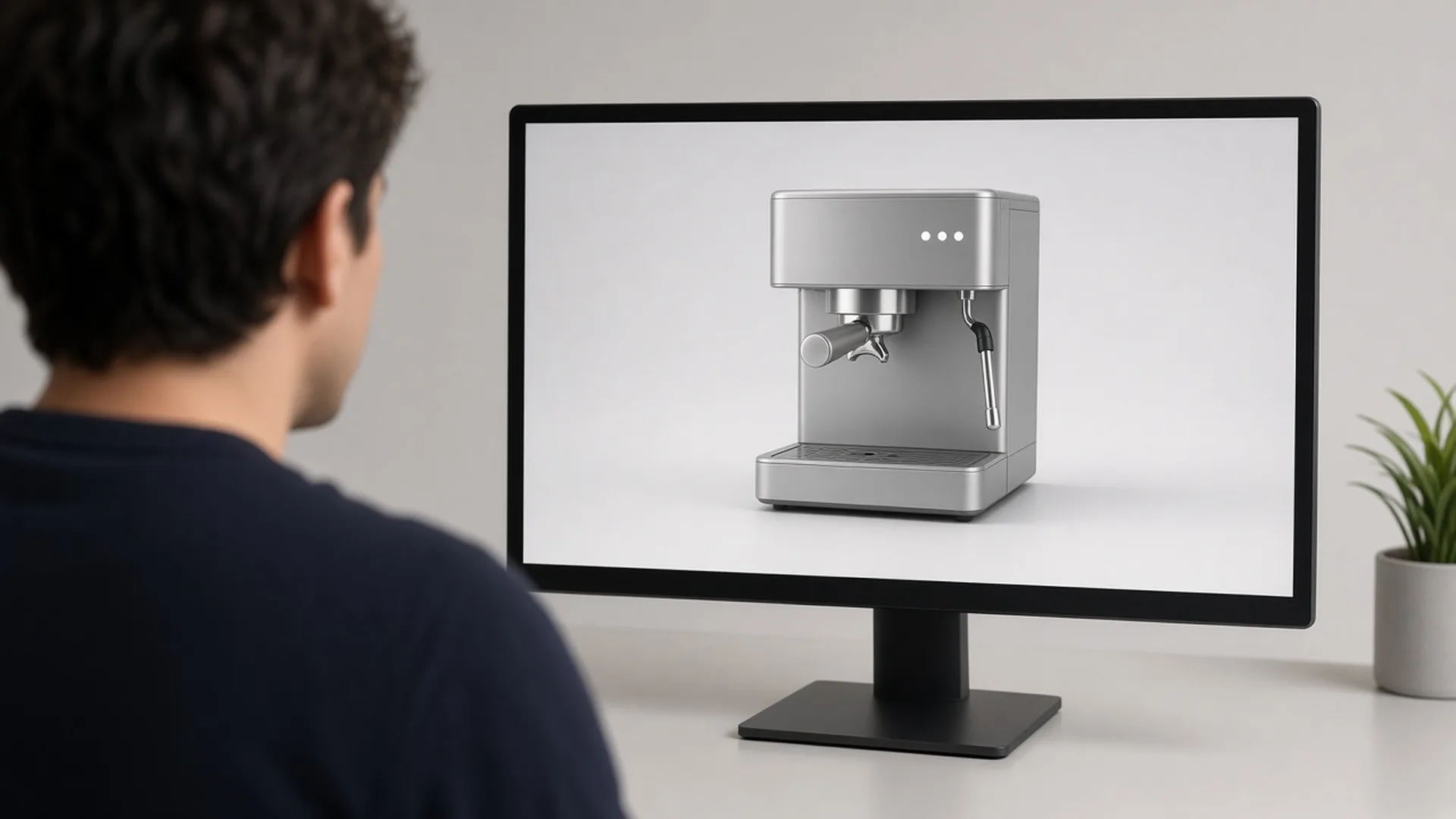
What are 3D hotspots and interactive product explorers?
What 3D hotspots and interactive product explorers are, how they work, what content they include, and when to use them in sales, on the web

Virtual showroom vs physical showroom: when to use each
Comparison of virtual and physical showrooms: cost, reach, experience, customisation, maintenance and recommended cases. When to combine both.
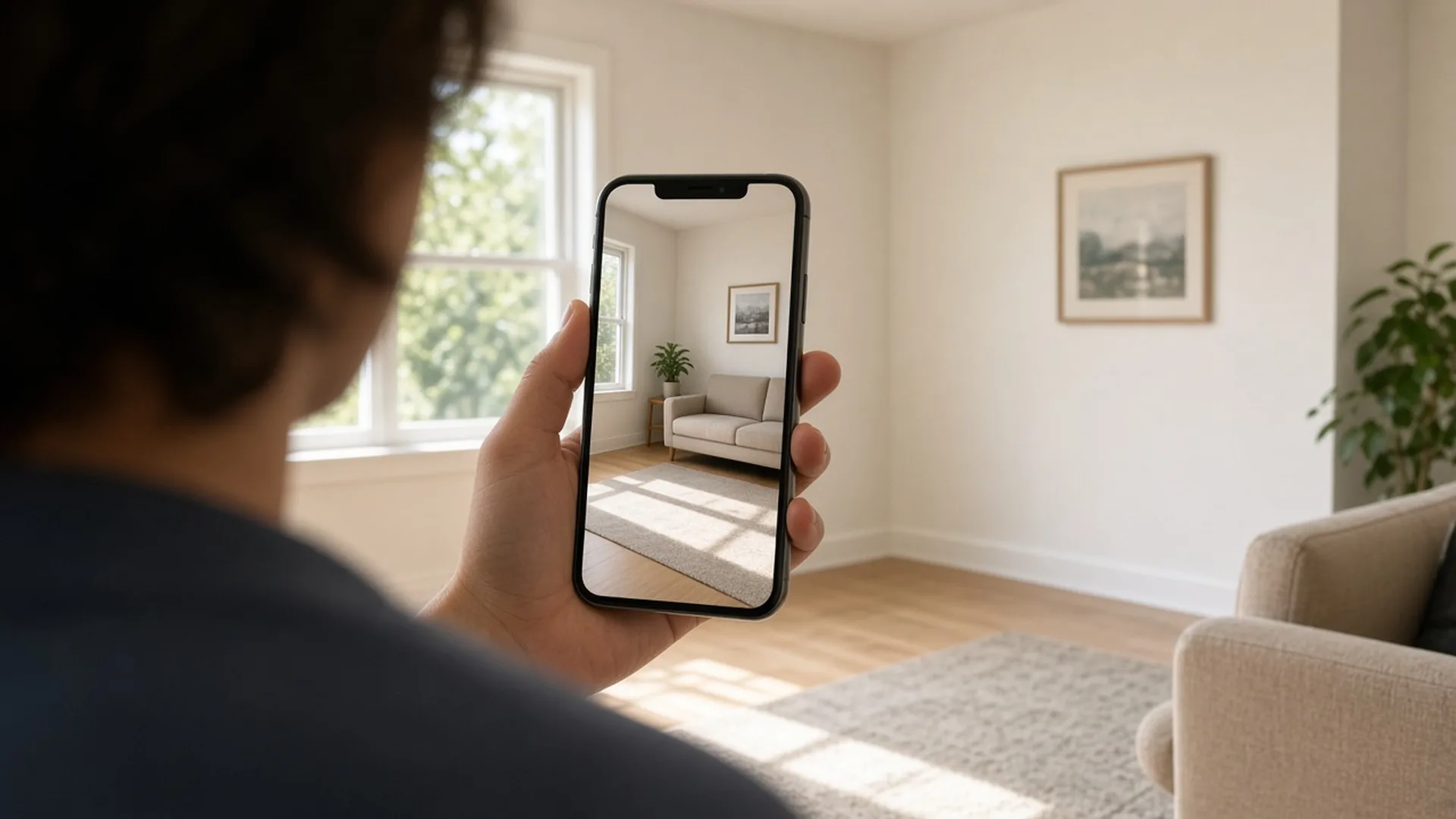
How to add AR product visualisation to an online store
A guide to adding AR product visualisation to an online store: 3D models, formats, integration on the product page, platforms, performance
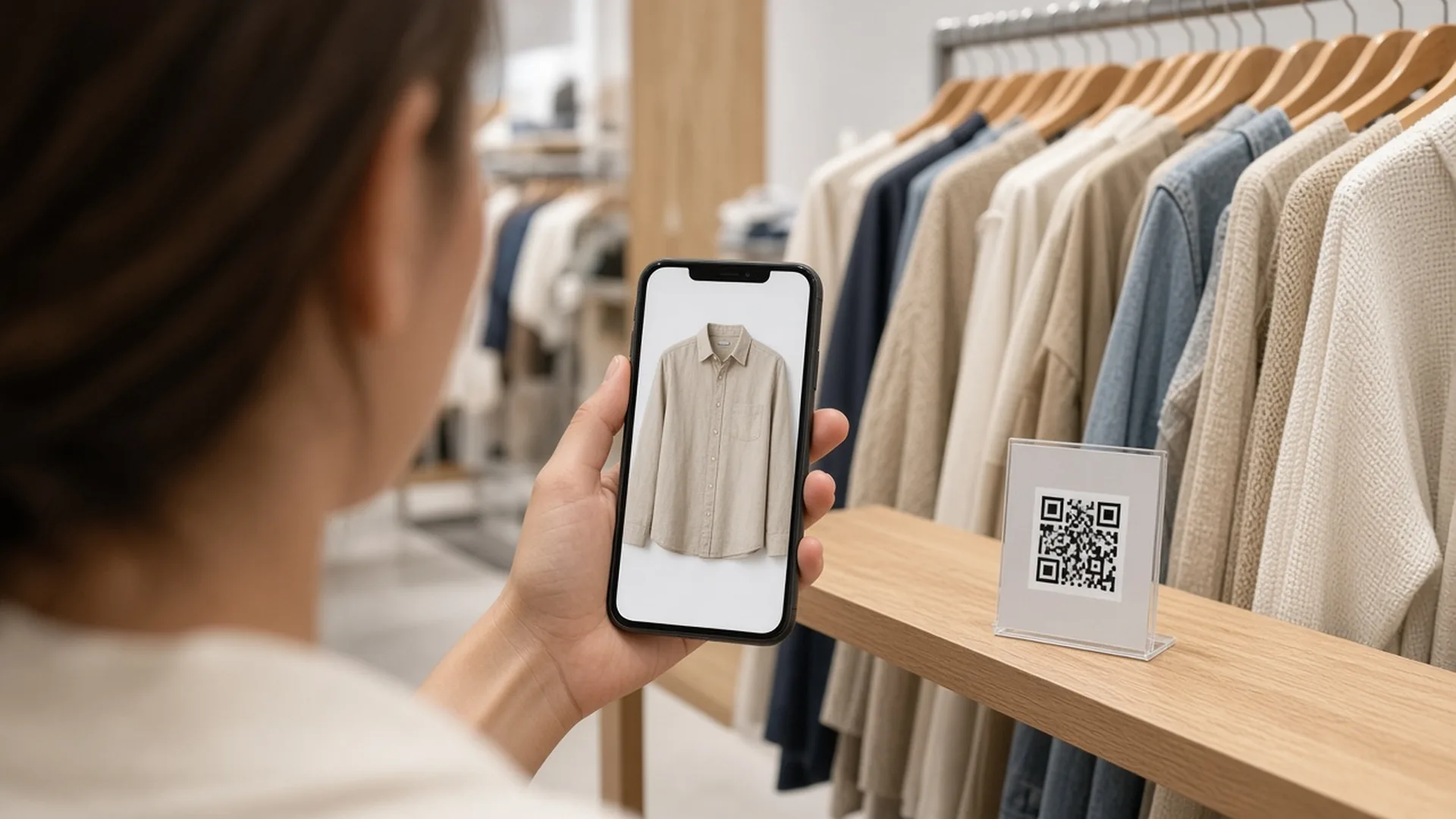
How to create an interactive retail campaign with QR codes and augmented reality
A guide to creating an interactive retail campaign with QR codes and augmented reality: concept, touchpoints, mechanic, reward, legal points

How to measure virtual try-on performance
Metrics for measuring a virtual try-on: usage rate, time, conversion, order value, returns and satisfaction. A/B test, attribution and how to avoid bias.
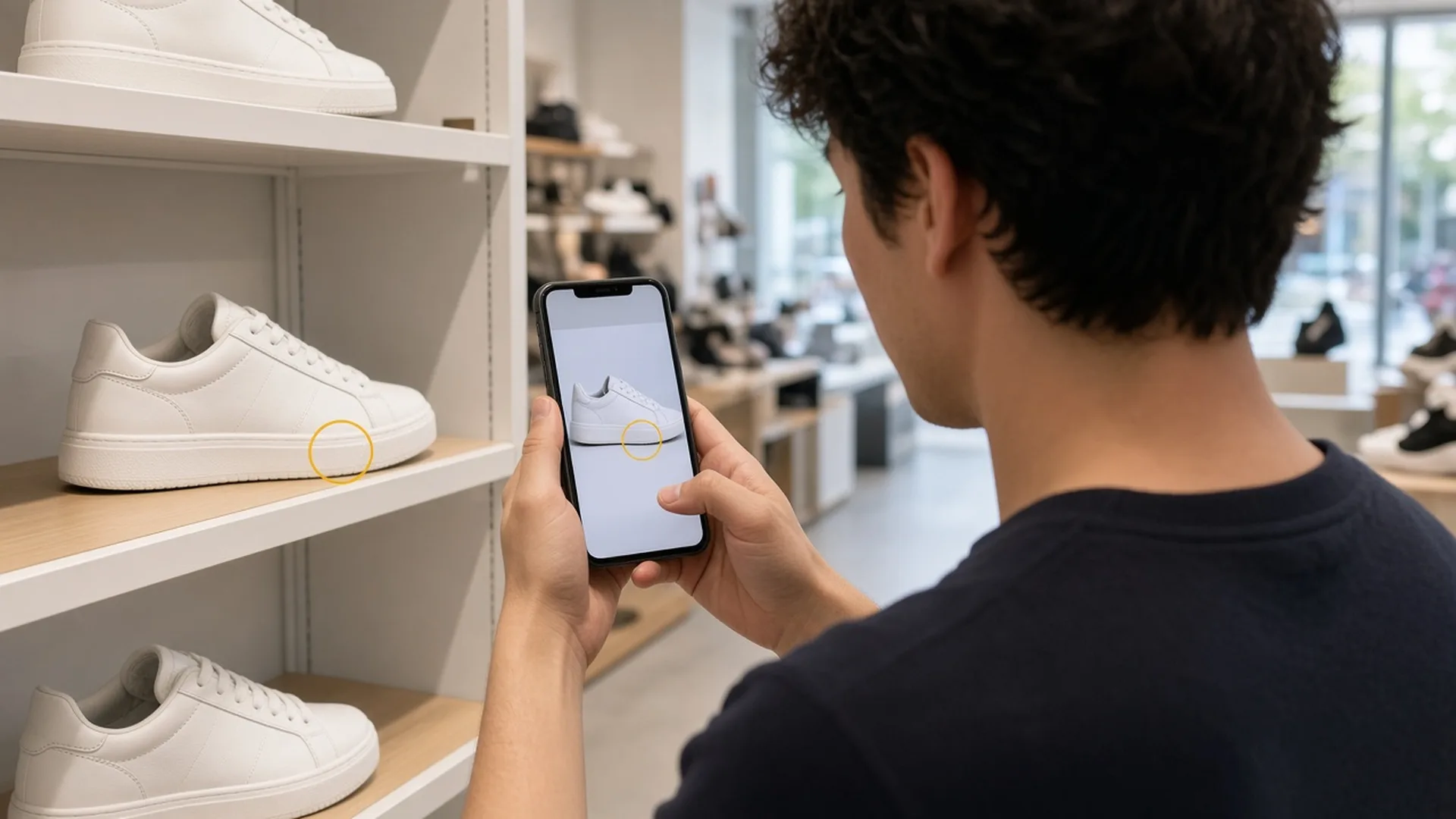
How augmented reality can improve the in-store experience
How augmented reality improves the in-store experience: smart mirrors, QR codes on the shelf, an extended catalogue, games and activations.

Virtual try-on for beauty and cosmetics: how it works
How beauty virtual try-on works: lipsticks, eyeshadows, foundations, hair colour and nails.
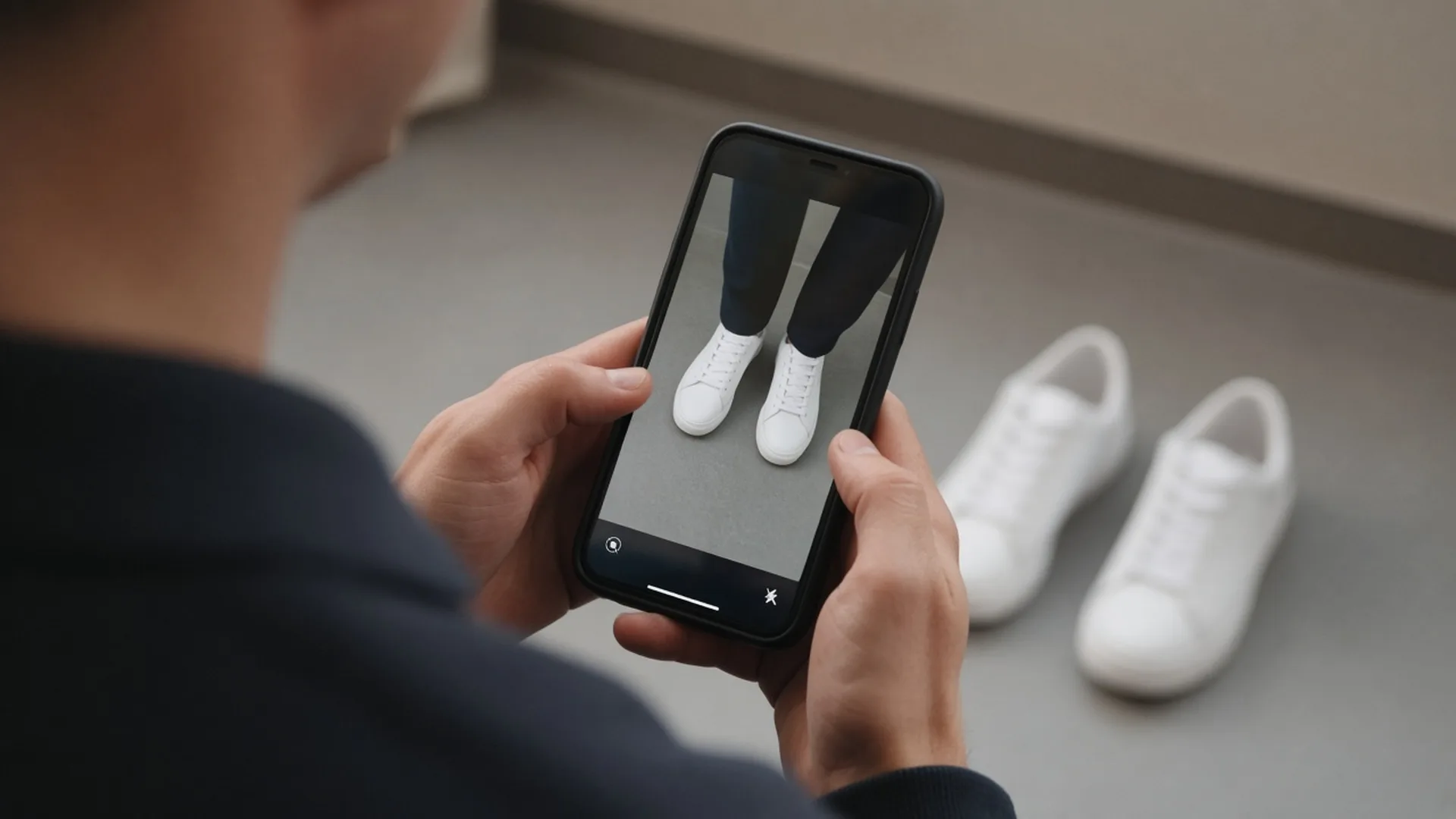
Virtual try-on for fashion: a beginner's guide
A guide to virtual try-on in fashion: what can be tried on (accessories, footwear, clothing), types of technology, how to prepare the catalogue
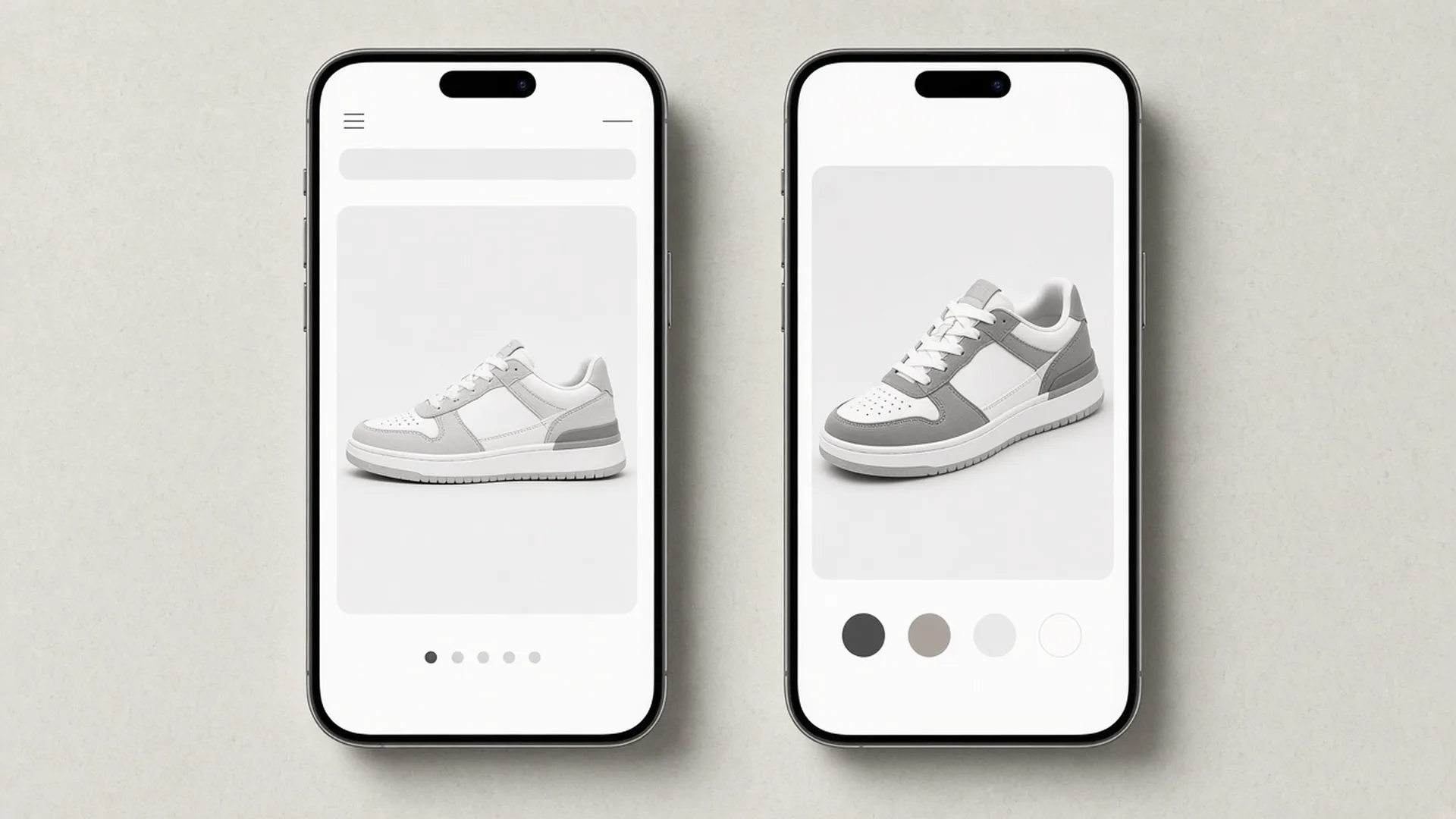
Virtual try-on on the web vs in an app: differences and which to choose
Compare virtual try-on in the browser with virtual try-on in an app: reach, friction, performance, features, cost and maintenance. When to choose each option.

Can virtual try-on increase conversion in eCommerce?
What the data say about the effect of virtual try-on on conversion and returns, why results vary by category and how to measure the impact in your store.
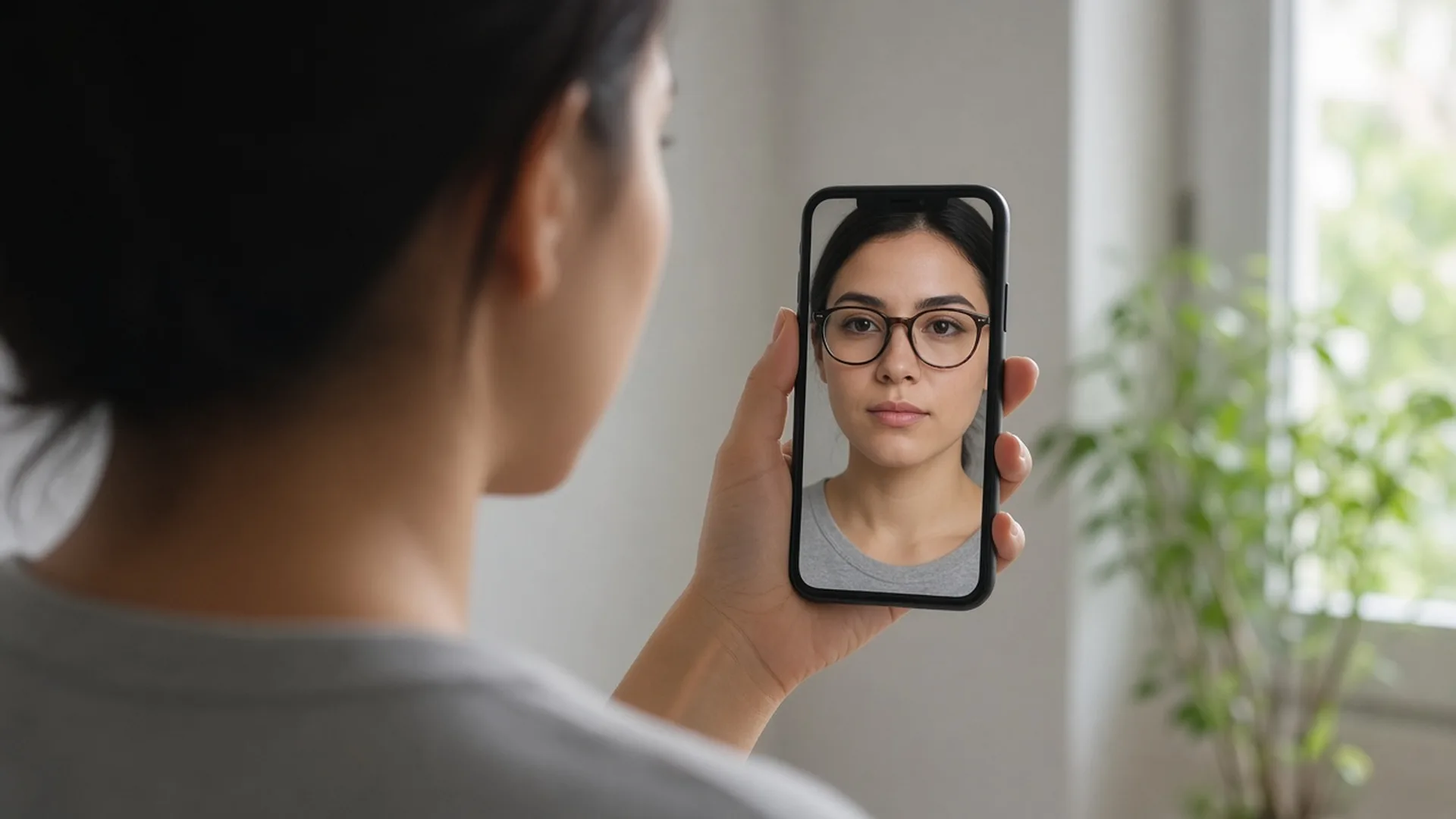
What is virtual try-on and how does it work?
What virtual try-on is, how it works with the phone camera, which products it supports and what it does for a retailer.
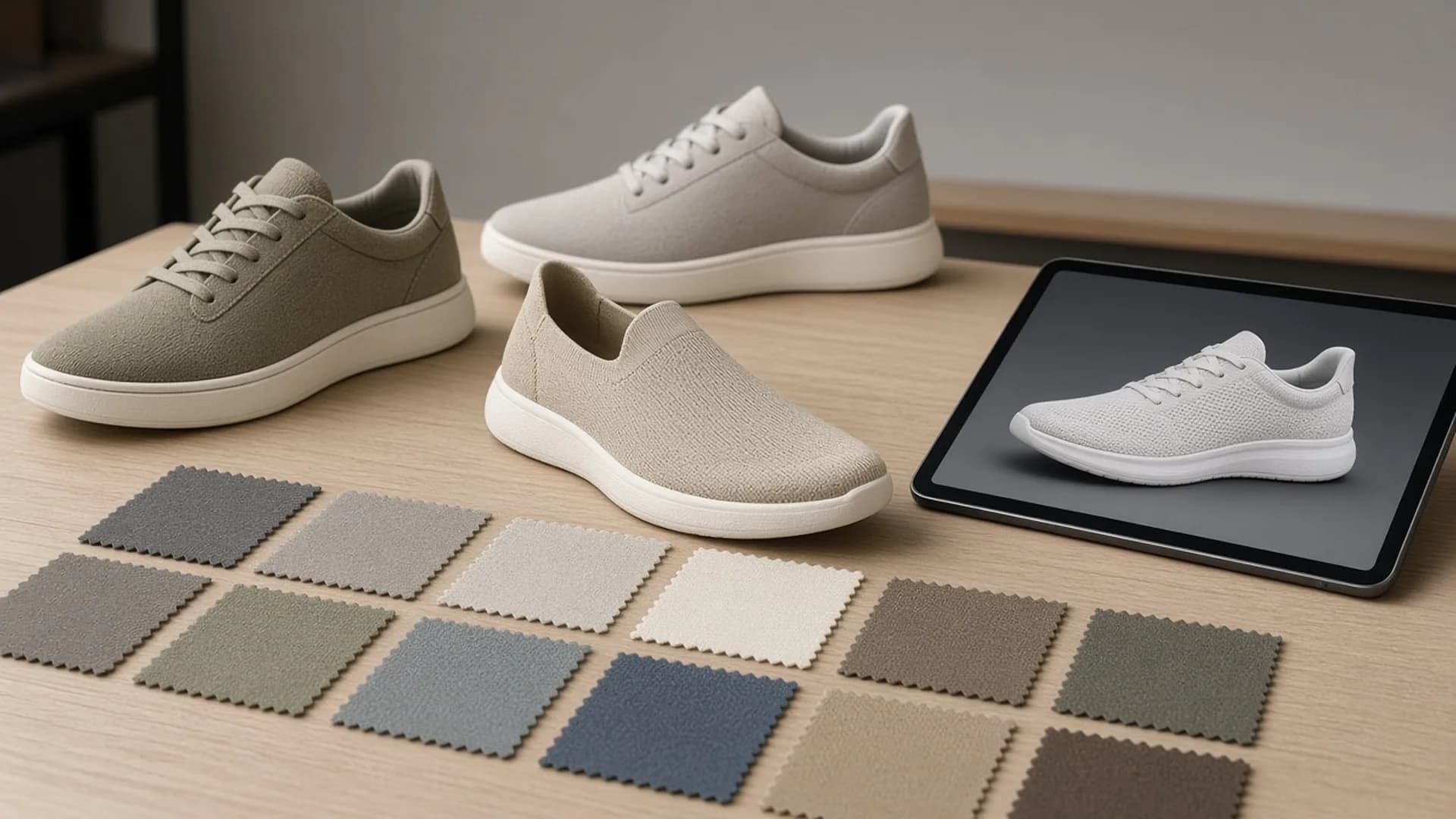
What a retailer needs to launch a virtual try-on
Requirements for launching a virtual try-on in retail: catalogue, 3D models, integration in the store, team, legal points
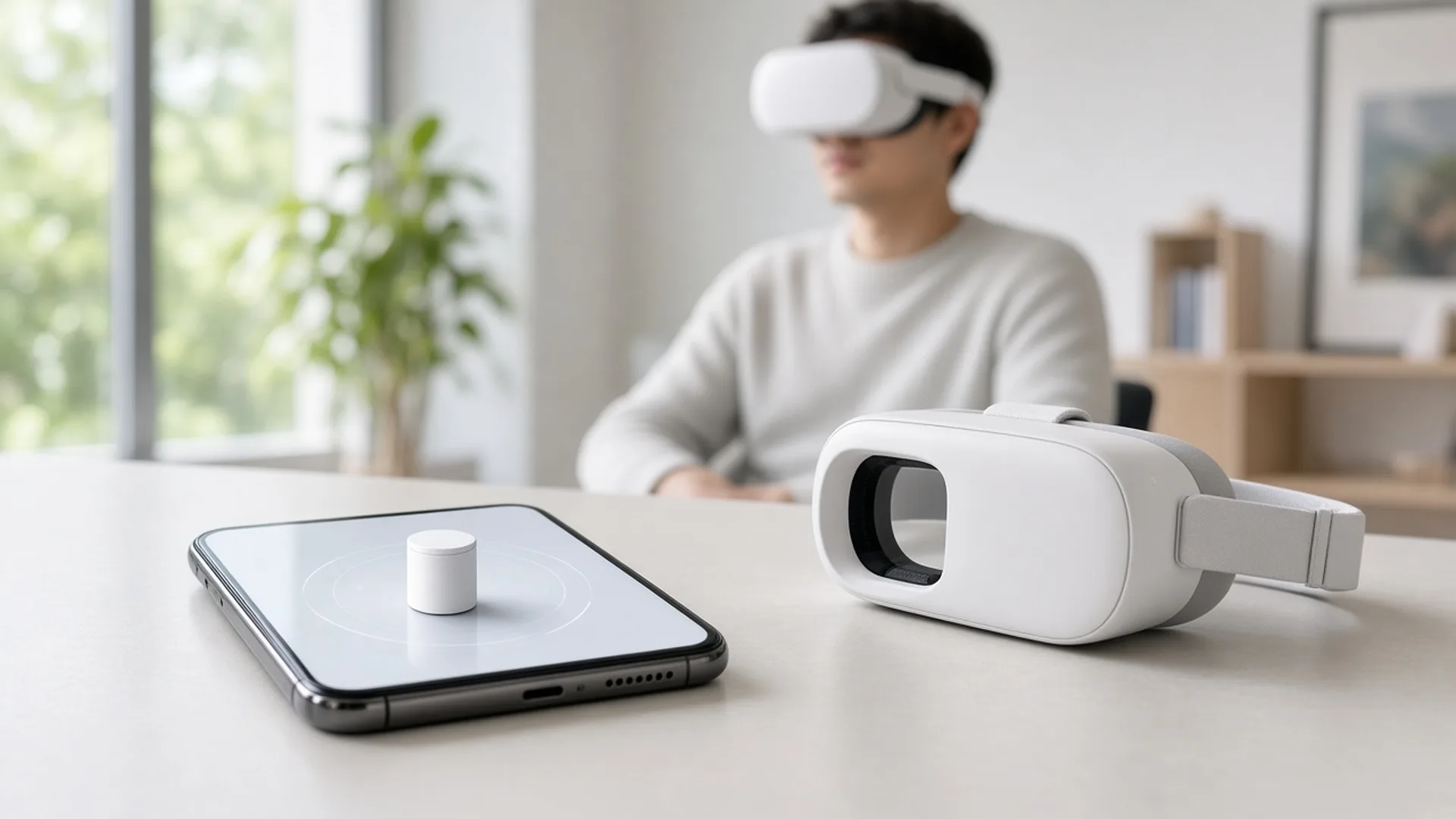
AR vs VR vs XR: what is the difference?
What AR, VR, MR and XR mean, how they differ, which devices they use and what each one is for in business. Comparison table and examples.

How to create a business case for immersive technology
How to build a business case for an augmented reality, virtual reality or gamification project: problem, solution, costs, benefits, risks and pilot plan.
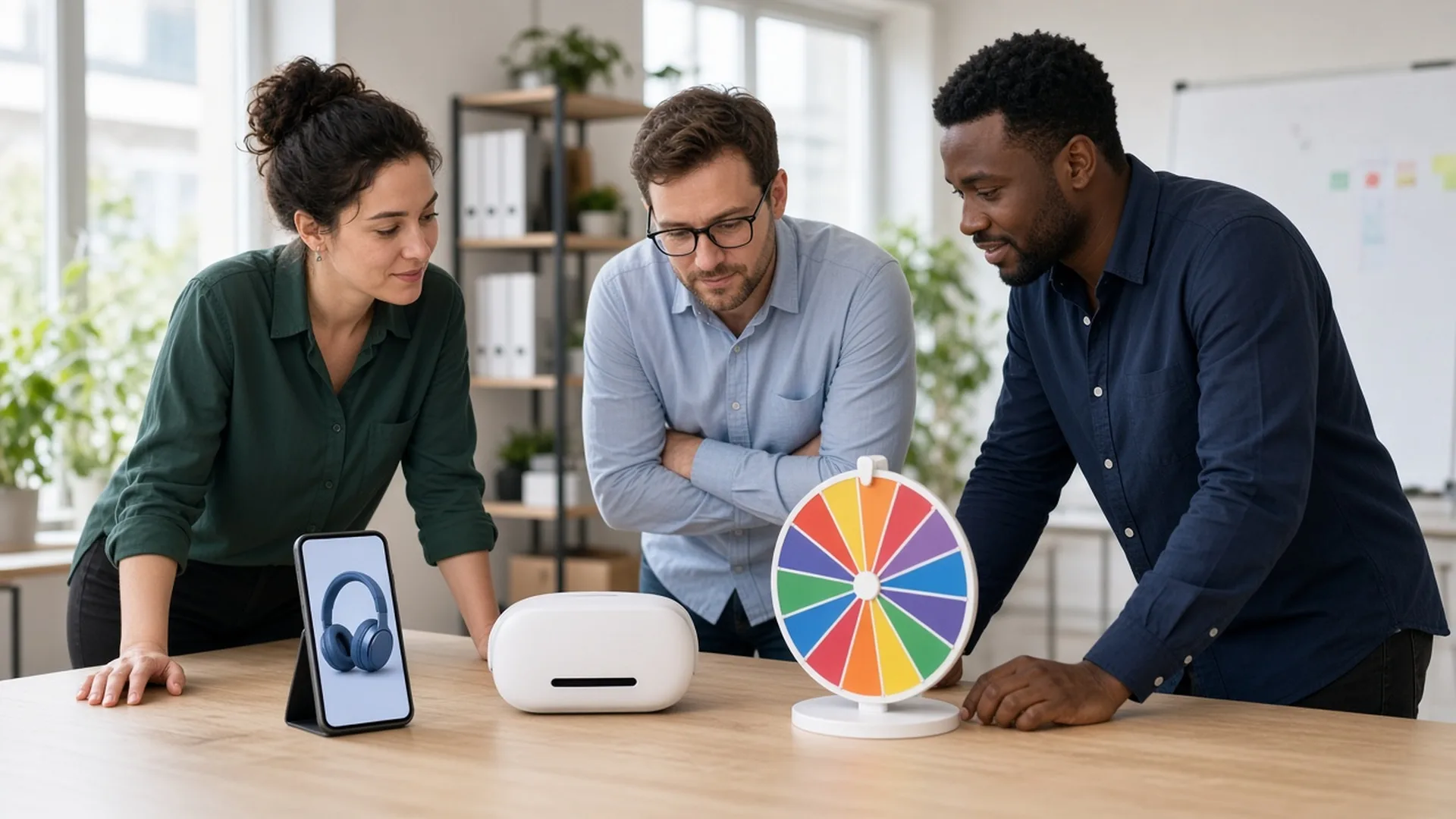
How to decide whether your company should use AR, VR or gamification
A decision framework for whether your company should use augmented reality, virtual reality or gamification: objective, audience, touchpoint, content
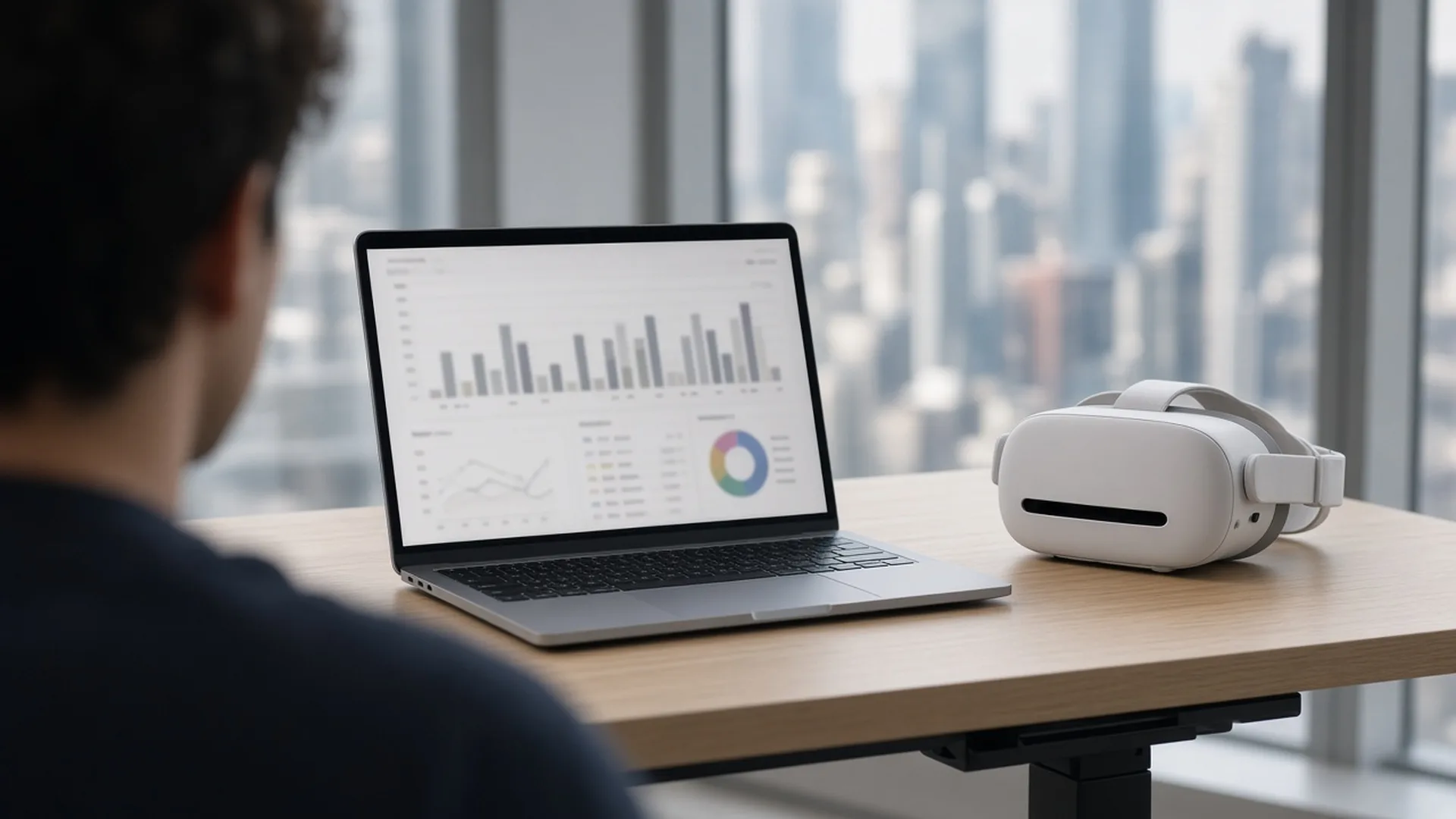
How to measure the ROI of immersive experiences
A framework for measuring the return on investment of AR, VR and gamification experiences: objectives, baseline, attribution, total costs

How to write a brief for an AR, VR or gamification project
A template and tips for writing a brief for an augmented reality, virtual reality or gamification project: objective, audience, content, timescales
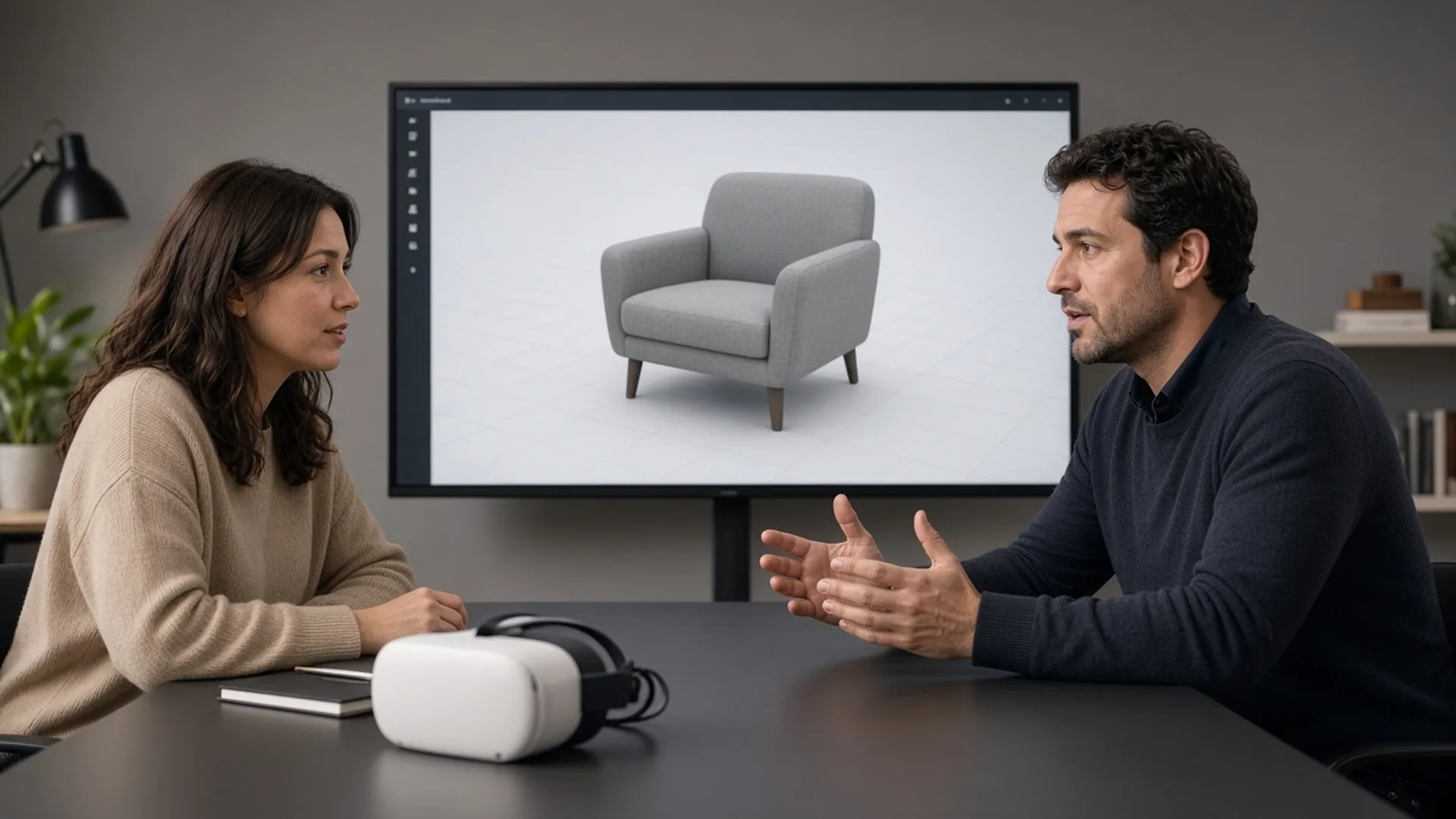
How much does an immersive technology project cost?
What determines the cost of an AR, VR or gamification project: scope, content, platform, integrations, timescales and maintenance.

How long does it take to create an AR or VR experience?
What determines the timescale of an augmented or virtual reality project: phases, content, approvals and testing. How to plan the schedule and avoid delays.
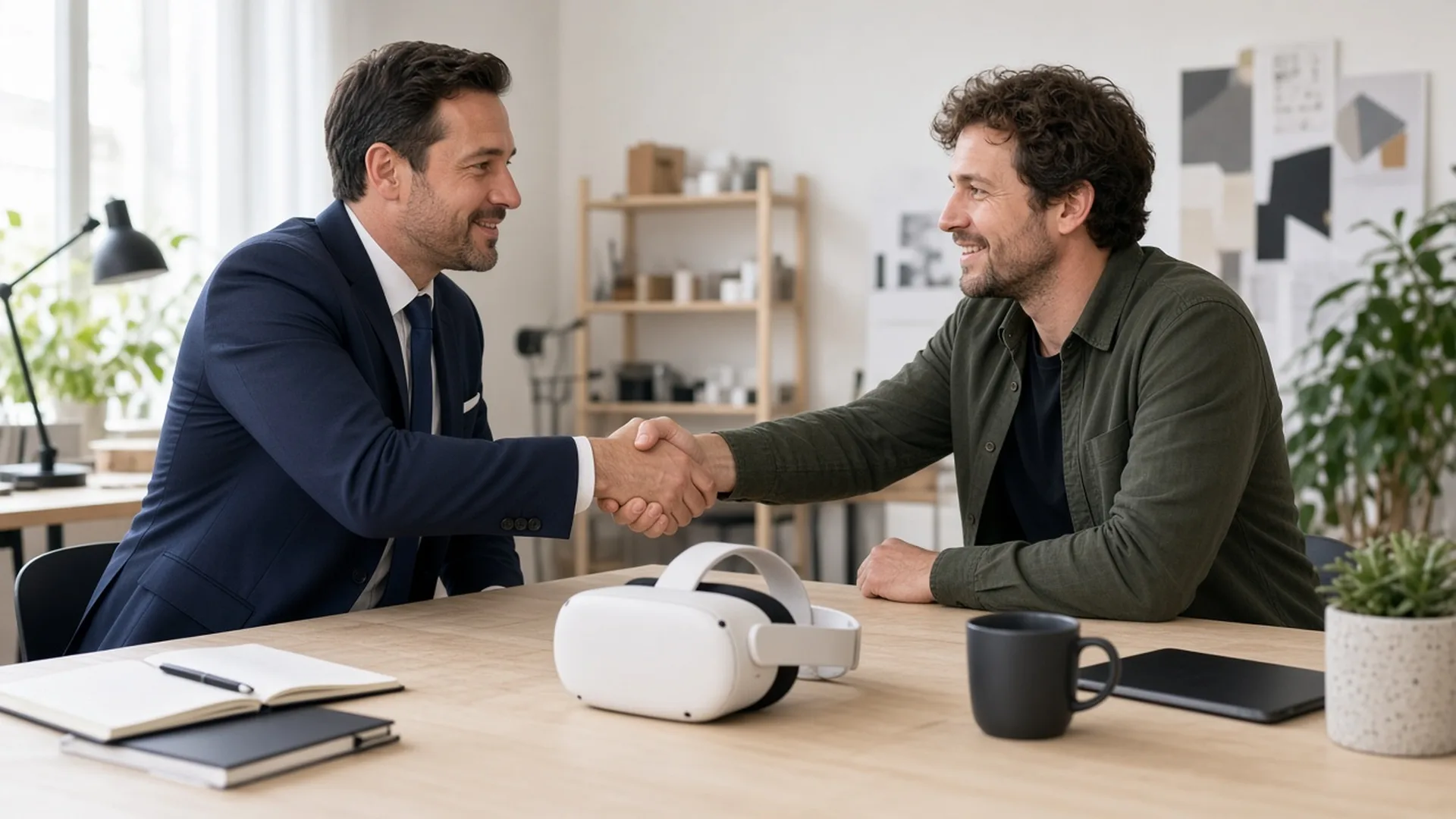
Create the immersive experience in-house or hire a specialist agency?
When it makes sense to develop AR, VR or gamification projects with an in-house team and when with a specialist agency: cost, talent, speed, quality

What information you should give an immersive technology agency
What data and materials you should provide to an AR, VR or gamification agency to obtain a tailored proposal: objectives, content, budget

Which KPIs you should measure in an interactive campaign
The key KPIs for measuring an interactive campaign: reach, participation, quality, conversion, retention and financial.
What you take away
A practical framework
What to do, in what order and how to tell if it works.
Judgement on technology
When gamification, augmented reality or an immersive experience makes sense, and when it does not.
Indicators to measure
Which KPIs to set before launching a campaign and how to attribute results.
Free access
Every lesson is free and can be read without creating an account.
Frequently asked questions
What is Visualife Academy?
Visualife Academy is the knowledge hub of Visualife, an immersive technology agency in Barcelona. It publishes practical guides and learning paths on augmented reality, virtual reality, gamification, trade shows, training, 3D and virtual try-on.
Who is Visualife Academy for?
Visualife Academy is for marketing, retail, events, training and industrial teams who want to understand immersive technology before commissioning a project.
Are the Visualife Academy guides free?
Yes. Published guides can be read at no cost and without an account. Course progress is saved in the browser.
Who writes the Visualife Academy guides?
They are written by the Visualife team that designs these experiences for brands such as Loewe, H&M and BASF. Each guide answers the main question first, then goes into the detail.
What is Visualife Academy?
Every guide draws on real projects and answers the main question first, so you get the answer in seconds and only read further if you need to.