The Immersive Revolution: Why AR and VR Will Dominate Marketing Campaigns Over the Next 5 Years
In the rapidly evolving landscape of digital marketing, a new frontier is emerging that promises to revolutionise how brands...
In the rapidly evolving landscape of digital marketing, a new frontier is emerging that promises to revolutionise how brands interact with consumers. Augmented Reality (AR) and Virtual Reality (VR) are no longer just buzzwords or futuristic concepts; they are here and ready to redefine marketing campaigns over the next five years. Retailers that fail to allocate part of their marketing budget to these immersive technologies risk falling behind in an increasingly competitive market.
The Rise of AR and VR: More Than Just Gaming
Although AR and VR technologies have roots in the video game industry, their applications have expanded far beyond entertainment. According to a Statista report, the global AR and VR market size is expected to grow from approximately $30.7 billion in 2021 to more than $296.9 billion by 2024. This exponential growth is driven by technological advances, greater accessibility, and rising consumer interest.
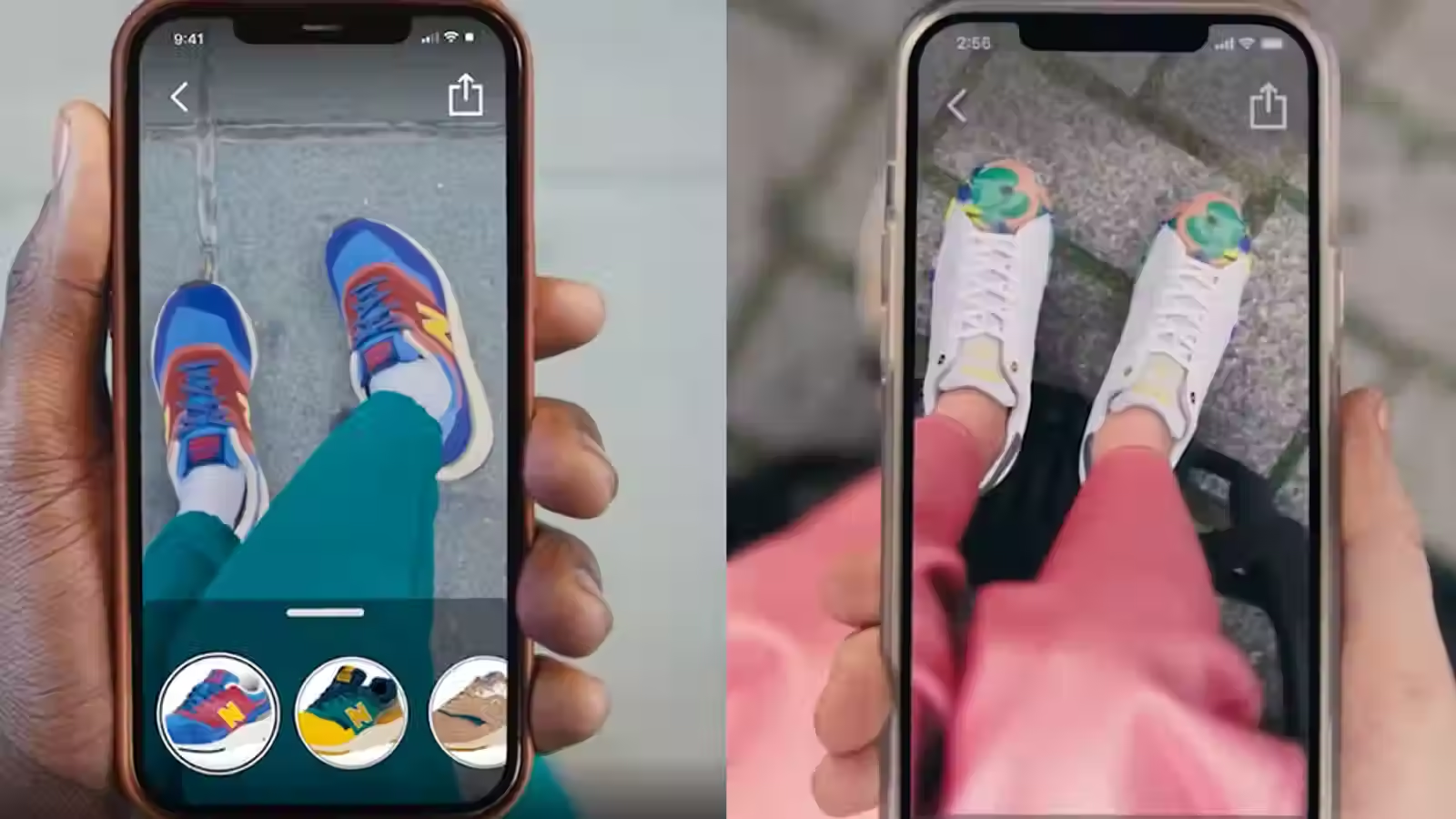
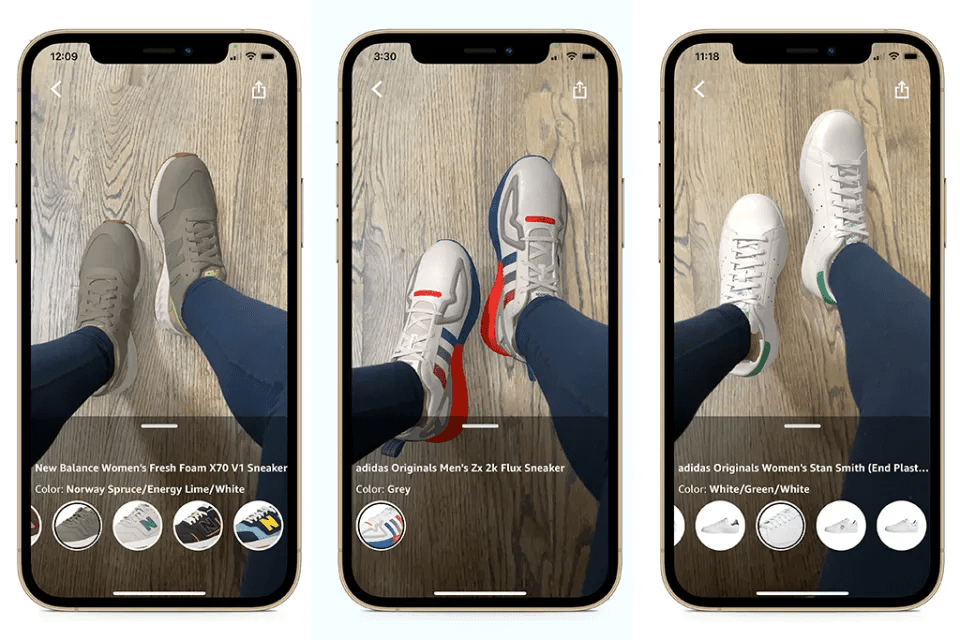
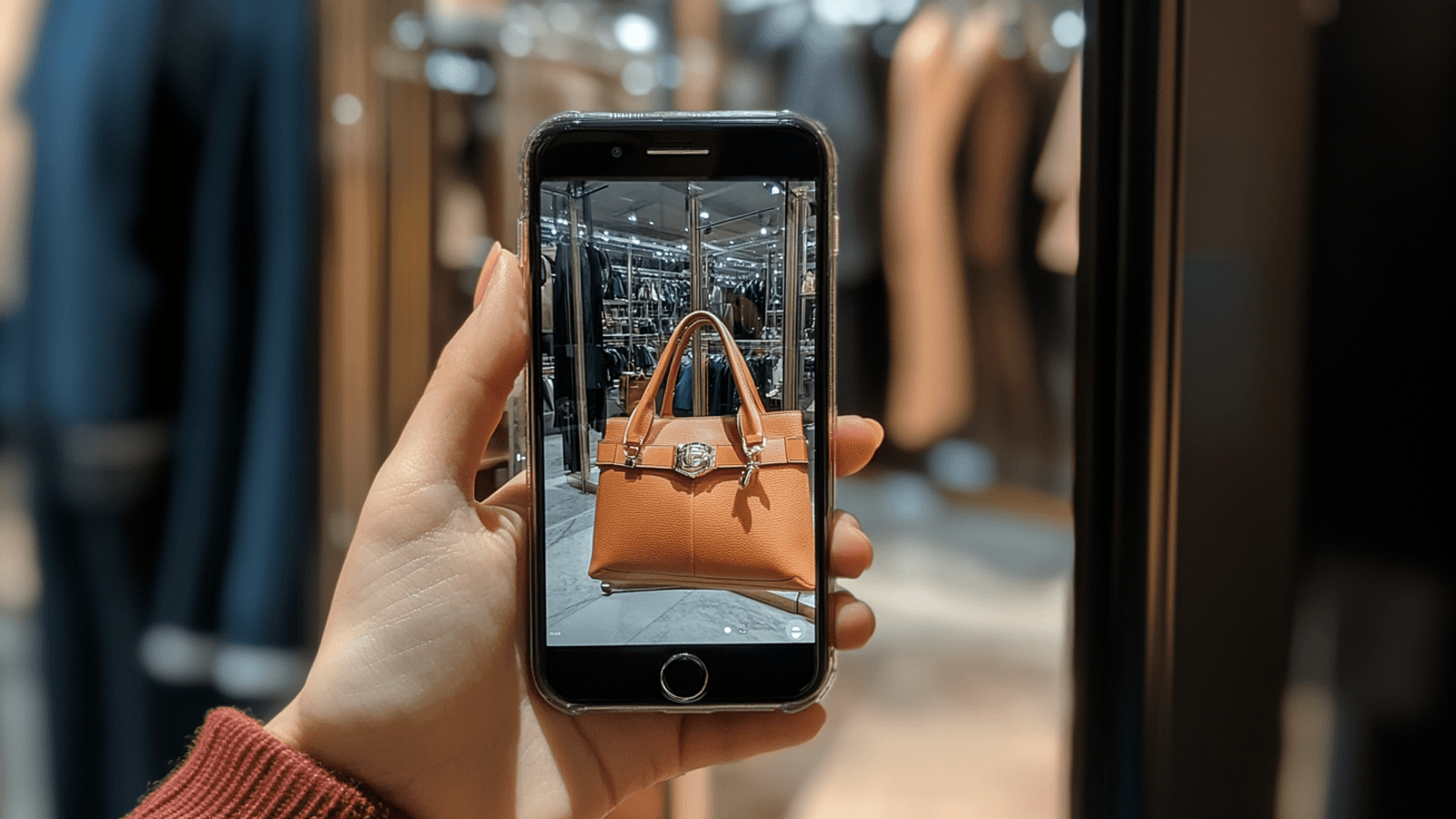
- Augmented Reality (AR): Enhances the real world by overlaying digital information onto physical surroundings. Think Snapchat filters or Pokémon GO.
Augmented Reality (AR): Enhances the real world by overlaying digital information onto physical surroundings. Think Snapchat filters or Pokémon GO.
- Virtual Reality (VR): Creates a fully immersive digital environment that replaces the physical world. Users need VR headsets such as Oculus Rift or HTC Vive to experience it.
Virtual Reality (VR): Creates a fully immersive digital environment that replaces the physical world. Users need VR headsets such as Oculus Rift or HTC Vive to experience it.
How AR and VR Will Transform Marketing Campaigns
1. Improved Customer Engagement
- Example: IKEA's AR app lets customers visualise furniture in their homes before making a purchase, increasing engagement and reducing return rates.
Example: IKEA's AR app lets customers visualise furniture in their homes before making a purchase, increasing engagement and reducing return rates.
2. Personalised Experiences
These technologies allow marketers to deliver highly personalised content based on user preferences and behaviours.
- Example: Beauty brands like Sephora use AR so customers can virtually try on makeup products, tailoring the experience to individual tastes.
Example: Beauty brands like Sephora use AR so customers can virtually try on makeup products, tailoring the experience to individual tastes.
3. Immersive Storytelling
Storytelling is a powerful marketing tool, and AR/VR takes it to the next level by placing consumers at the centre of the story.
- Example: Tourism boards use VR to offer virtual tours of destinations, attracting travellers by immersing them in the experience before they book a trip.
Example: Tourism boards use VR to offer virtual tours of destinations, attracting travellers by immersing them in the experience before they book a trip.
4. Enriched Data and Analytics
AR and VR platforms can collect extensive data on user interactions, providing valuable insights into consumer behaviour.
- Example: By analysing how users interact within a VR environment, retailers can optimise store layouts and product placement in the real world.
Example: By analysing how users interact within a VR environment, retailers can optimise store layouts and product placement in the real world.
5. New Advertising Channels
As AR and VR become more common, they open new channels for advertising and brand placement.
- Example: Brands can place virtual ads inside VR games or AR apps, reaching audiences in novel and engaging ways.
Example: Brands can place virtual ads inside VR games or AR apps, reaching audiences in novel and engaging ways.
Why Retailers Must Invest Now
Staying Ahead of the Competition
Early adopters of AR and VR technologies are setting industry standards and capturing market share. By investing now, retailers can position themselves as innovators.
- Statistic: A Deloitte study states that 88% of mid-market companies are already using some form of AR or VR in their business operations.
Statistic: A Deloitte study states that 88% of mid-market companies are already using some form of AR or VR in their business operations.
Meeting Consumer Expectations
Today's consumers, especially Millennials and Generation Z, expect interactive and technologically advanced shopping experiences.
- Fact: A Goldman Sachs report predicts that AR and VR in retail will become a $1.6 billion market by 2025.
Fact: A Goldman Sachs report predicts that AR and VR in retail will become a $1.6 billion market by 2025.
Maximising ROI
Investing in AR and VR can lead to significant returns through greater engagement, higher conversion rates, and stronger brand loyalty.
- Case Study: TOMS Shoes used VR to take customers on a virtual donation journey, resulting in a 12% increase in brand engagement.
Case Study: TOMS Shoes used VR to take customers on a virtual donation journey, resulting in a 12% increase in brand engagement.
Adapting to Remote Commerce
The COVID-19 pandemic accelerated the shift toward online shopping. AR and VR bridge the gap between physical and digital retail.
- Example: Car dealerships offer virtual test drives, allowing customers to explore vehicles without visiting the showroom.
Example: Car dealerships offer virtual test drives, allowing customers to explore vehicles without visiting the showroom.
Building Long-Term Value
AR and VR technologies are not passing trends; they are set to become integral components of the retail experience.
- Forecast: As 5G networks expand, improved connectivity will make AR and VR applications smoother and more widespread.
Forecast: As 5G networks expand, improved connectivity will make AR and VR applications smoother and more widespread.
Actionable Steps for Retailers
1. Allocate Budget for AR/VR Initiatives
Start by setting aside a portion of your marketing budget specifically for AR and VR projects. This investment is crucial for developing, implementing, and scaling immersive experiences.
2. Partner with Technology Providers
Collaborate with companies that specialise in AR and VR to leverage their expertise and accelerate your go-to-market strategy.
3. Train Your Team
Invest in training programmes to equip your marketing and sales teams with the skills needed to manage AR and VR technologies effectively.
4. Pilot Programmes
Start with small-scale pilot programmes to test the effectiveness of AR and VR initiatives before rolling them out widely.
5. Measure and Optimise
Use analytics tools to measure user engagement and other key performance indicators, refining your approach based on data-driven insights.
How to Respond to the Most Common Objections
"AR and VR Are Too Expensive"
While the initial investment may be significant, the long-term benefits often outweigh the costs. In addition, the price of AR and VR technologies is falling as they become more common.
"Our Customers Are Not Tech-Savvy"
User-friendly interfaces and the widespread adoption of smartphones make AR accessible to a broad audience. VR experiences are also becoming more intuitive and require minimal technical knowledge.
"We Don't Have Technical Expertise"
Partnering with experienced AR and VR developers can fill this gap, allowing you to deliver cutting-edge experiences without needing in-house expertise.
Conclusion: Embrace the Future Today
Integrating AR and VR into marketing campaigns is not just an innovative add-on; it is becoming a necessity for retailers seeking to stay relevant and competitive. These technologies offer unmatched opportunities for customer engagement, personalised experiences, and data collection. By allocating part of your marketing budget to AR and VR initiatives now, you position your brand at the forefront of the immersive revolution.
Don't fall behind. Invest in AR and VR today and take your brand into the future of marketing.